REVIEW · TOUR REVIEWS
Bali Traditional Village Experience
Book on Viator →Operated by Taro Village Experience · Bookable on Viator
Bali can feel big and fast. This half-day Taro village experience slows things down with hands-on Balinese Hindu rituals and a family-compound visit. I love the practical culture here, especially learning how to make Canang Sari offerings, and I also like the calm start with a morning tea inside the family area. One thing to keep in mind: the holy water site has a small entrance fee/donation you’ll pay in cash, and the cleansing part may involve getting wet.
You’ll be picked up in the Ubud area and brought north to a very traditional village, about 12 miles (18 km) from Ubud. This is a private setup, so it feels more like joining a household for a couple of hours than hopping between photo stops. The timing is tight (about 2 hours), so it’s best if you want a focused cultural moment rather than a full-day adventure.
If you’re the type who likes real daily routines—temples, food, family life, and explanations you can actually use—this hits the sweet spot. If you hate dressing up for sacred spaces or you dislike rituals that include water, you may want to skip the cleansing option at the holy water site.
In This Review
- Key things that make this tour worth your time
- Taro Village, About 12 Miles North of Ubud: Why it feels local
- Price and value: $35 for 2 hours, including the parts you’ll actually use
- Getting there: how the pickup and meeting point work
- Inside the family compound: morning tea, spaces, and a temple you can picture
- Learning Canang Sari offerings: the skill part of the experience
- The holy water temple and blessing ceremony: sarong, sash, and getting wet if you choose
- What’s included, what costs extra, and smart add-ons
- Who this tour fits best (and who may not love it)
- Practical tips so you stay comfortable and respectful
- Should you book this Taro Traditional Village Experience?
- FAQ
- How long is the Bali Traditional Village Experience in Taro?
- Is this tour private?
- Where does the tour take place?
- How much does it cost?
- What is included in the tour price?
- What is not included?
- Do I need to wear special clothing at the holy water site?
- Is lunch provided?
- How do transfers work?
- What’s the booking and ticket format like?
Key things that make this tour worth your time
- Hands-on Canang Sari offering-making with a clear, guided walkthrough
- Morning tea in a family compound, plus a temple-focused look at everyday Balinese Hindu life
- Holy water blessing ceremony at a sacred site, using the offerings you made earlier
- Sarong and sash provided/required for entering the holy water area
- Two-way private transfers from your Ubud address to reduce hassle
- A short, private 2-hour format that fits cleanly into a packed Bali itinerary
Taro Village, About 12 Miles North of Ubud: Why it feels local
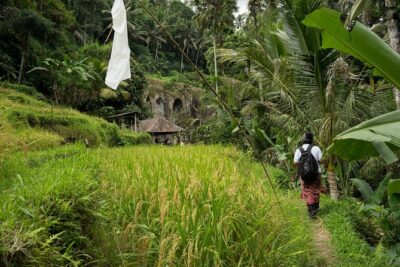
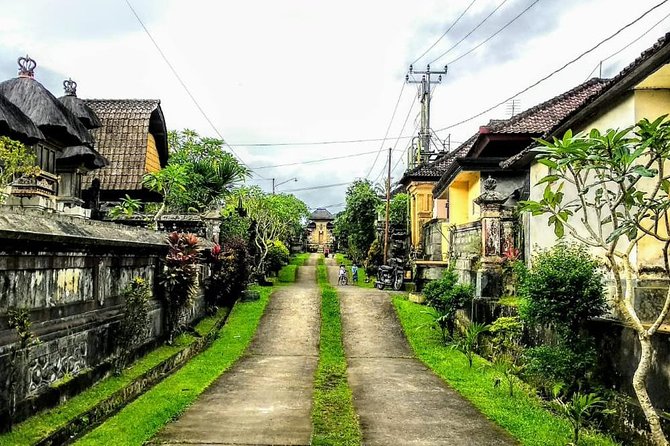
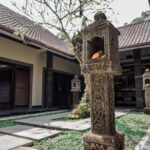
The core reason this experience lands well is location and pacing. Taro is a traditional Balinese village north of Ubud, and the plan is built around one family compound rather than a checklist of distant attractions. That matters because you don’t just hear about Balinese Hinduism—you see where it fits into daily life: home routines, family spaces, and the family temple area.
A big part of what you’ll be shown is the logic behind the rituals. You’ll walk through the compound to understand where family members live and how the family temple functions in their world. Even if your understanding is basic at first, the guide’s explanations help you connect the dots between what people do and why they do it.
Also, the tone sounds human, not performative. The experience is led by a local guide, and there’s a strong family welcome vibe—togetherness, not a scripted speech. That’s the kind of detail that often separates a memorable cultural visit from one that feels like a stopover.
You can also read our reviews of more tours and experiences in Ubud.



Price and value: $35 for 2 hours, including the parts you’ll actually use
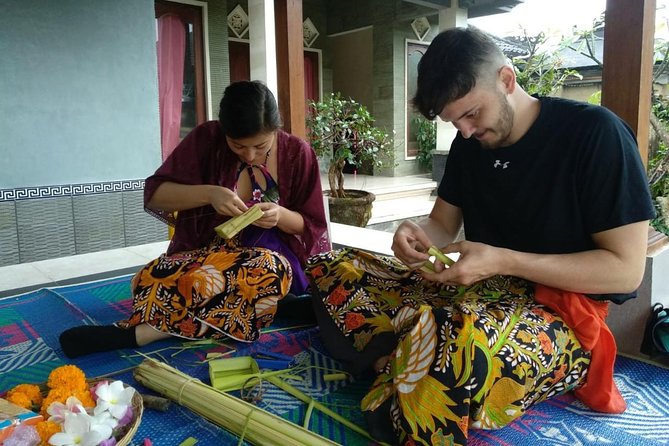
At $35 per person for an approximately 2-hour private experience, the value comes from three practical inclusions.
First, you’re not just watching. You’ll actively make offerings (Canang Sari) and then use those offerings in a blessing ceremony. That alone turns the tour from passive sightseeing into a skill you take home.
Second, you get transport. Two-way private transfers from your Ubud-area address can easily eat up time and energy if you’d otherwise be figuring out rides, routes, and timing. With private pickup, the day stays smooth and you can focus on the experience.
Third, you’re covered for key “access” items. You’ll receive a Balinese sarong for the holy water temple area, and you’ll have coffee and/or tea plus snacks (Bali cookies). Those little inclusions add up because sacred sites often come with extra rules—here, you’re told sarong and sash are mandatory for entering.
What’s not included is also important for budgeting. Lunch is not included, and you’ll pay the small entrance/donation at the holy water temple in cash. So plan snacks and timing accordingly.
Getting there: how the pickup and meeting point work
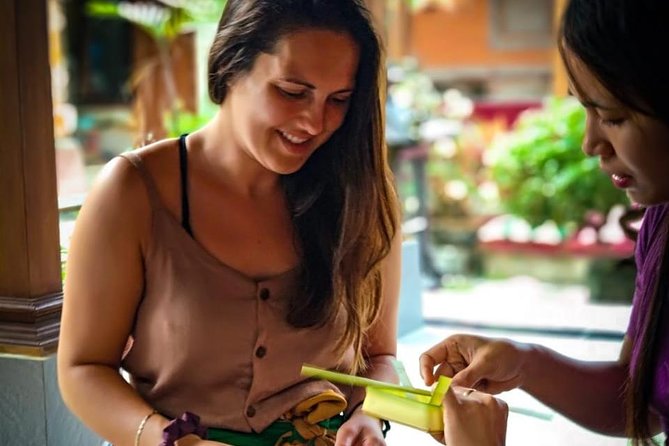
You start with a driver picking you up from your Ubud area address. That’s listed as part of the experience, and it’s one of the main reasons this tour feels easy. No stress with finding transport on your own.
The tour’s start point is Delodsema Traditional Village, Tegallalang (Taro area), and the activity ends back at the meeting point. So while pickup is from your Ubud location, the physical endpoint returns you to the same meeting area rather than dropping you off somewhere else miles away.
Because the total time is around 2 hours, keep your other plans flexible. This isn’t a slow, lingering half-day. It’s designed to move efficiently from the family compound to the holy water site and back again.
If you’re planning ahead, note that bookings are commonly made about 50 days in advance on average. For popular dates, that’s a sign to reserve earlier rather than waiting until the last minute.
Inside the family compound: morning tea, spaces, and a temple you can picture
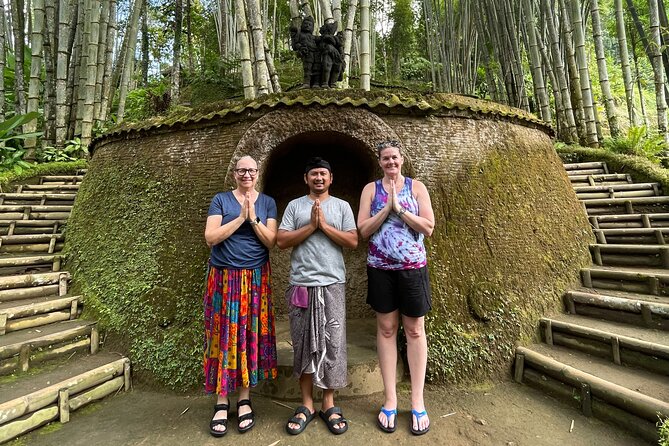
The day begins in the family compound area of the host community in Taro. You’ll be guided through the traditional family compound and learn where each of the families live, plus how their family temple ties into the compound’s daily rhythm.
This part is the “why” of the day. Offerings and blessings don’t feel random when you understand what surrounds them. Even basic context helps: what’s sacred space here, what’s everyday space, and how families organize life around temple routines.
You’ll also enjoy traditional Balinese morning tea with the family. That’s not just a drink stop. It’s a pause that signals respect for the household setting. You’ll be part of the morning flow instead of arriving, snapping photos, and vanishing.
One small practical thought: since this is a private experience, you can ask questions and get explanations matched to your curiosity. If you’re genuinely curious about Balinese Hinduism, this is where you’ll start building that mental framework.
Learning Canang Sari offerings: the skill part of the experience
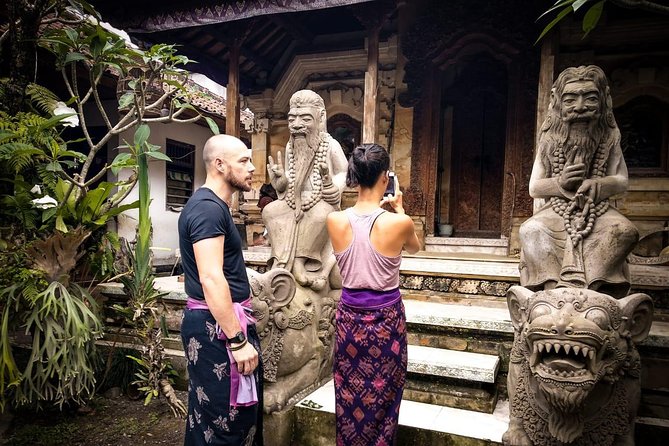
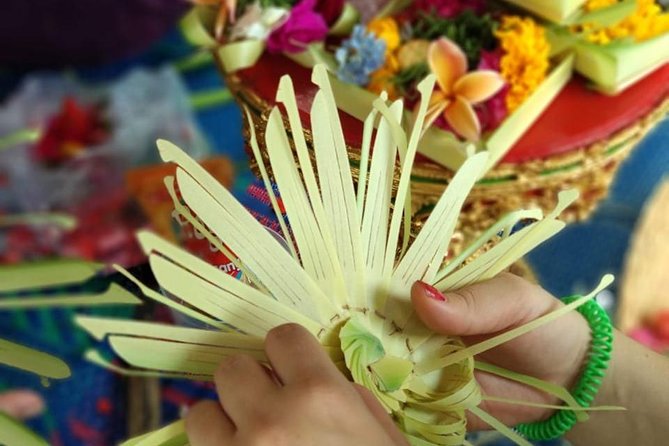
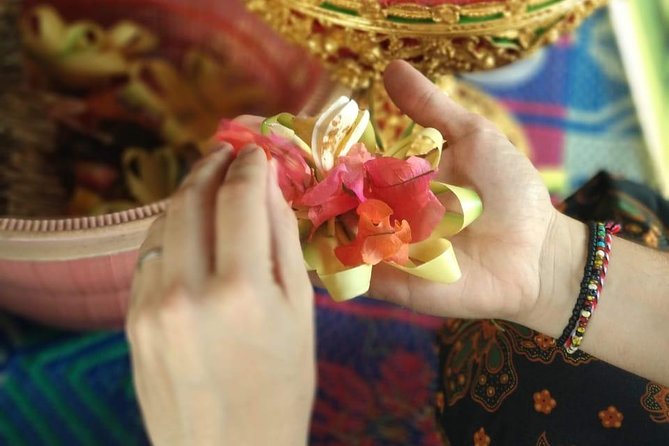
After the morning tea, you’ll be taught how to make Canang Sari Balinese Hindu offerings. This is hands-on ritual education, not a vague overview. You’ll be guided through making offerings as part of the morning routine.
One extra detail that stood out from real feedback is that you may learn more than one type of offering during the visit. Even when the tour is anchored on Canang Sari, the broader instruction seems to include additional offering forms. So you’re likely to leave with a better sense of how offerings can vary in practice.
Why this matters for you: it turns your understanding from “I saw something traditional” into “I know what goes into an offering and what it’s for.” Even if you never replicate it perfectly at home, the mental model sticks.
Also, the offerings you make aren’t just for show. Later, they’ll be used in the blessing ceremony at the holy water site. That means your work has a clear purpose—and you’ll understand that purpose while you’re doing it.



The holy water temple and blessing ceremony: sarong, sash, and getting wet if you choose
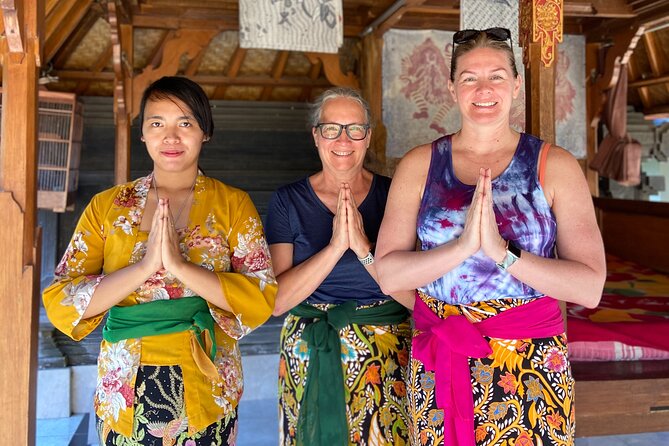
Next comes the sacred holy water site. This is where the day becomes ceremonial. You’ll have the option to change into swimwear or clothing that may get wet if you choose to do the cleansing ritual.
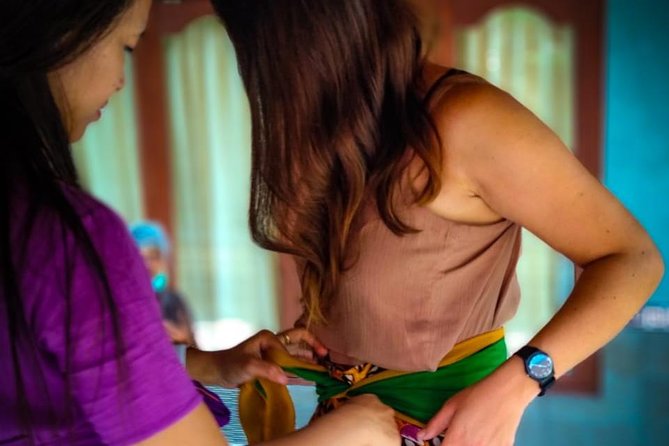
Before entering, you’ll be dressed in a sarong and sash. The sash requirement is listed as mandatory for entering the site. This is a key practical point: don’t assume you can enter in your regular outfit. The tour provides a sarong, but you should plan your clothing choice around the rules of a sacred space.
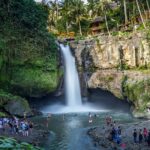
At the holy water site, your earlier offerings will be used in the blessing ceremony. You’ll receive a Hindu blessing with the holy water. This is the “payoff” moment—your morning efforts become part of the ritual, not something you made and then forgot.
Budget note: the entrance ticket/donation at the holy water temple is not included, and you’ll pay in cash. Plan for it so you’re not scrambling.
If you’re not sure about the cleansing ritual, you can still participate in the blessing element. The key is to follow what the guide advises on-site so you stay respectful and comfortable.
What’s included, what costs extra, and smart add-ons
Here’s the clean breakdown:
Included
- Snacks: Bali cookies
- Coffee and/or tea
- Balinese sarong (for the holy water temple area)
Not included
- Entrance ticket/donation at the holy water temple (pay in cash)
- Lunch
Good-to-know extras you can combine
- Cooking class
- Coconut oil class
- Silver class
- Evening fireflies
These add-ons matter because this is a compact half-day. If you want more time, you can stitch it into a longer day rather than treating it as a stand-alone “quick culture hit.”
Also, if you’re thinking about pairing, do it based on energy levels. The village part plus ritual instructions is engaging. After that, choose an add-on that matches your mood: cooking/coconut oil for hands-on production, silver class if you like crafts, or fireflies if you want a later, slower moment.
Who this tour fits best (and who may not love it)
This tour is best for you if you:
- Want a private cultural experience tied to one community
- Like learning rituals you can understand, not just watching them
- Enjoy short tours that don’t swallow your whole day
- Appreciate being guided through sacred spaces with clear rules (sarong/sash)
It may not be your best fit if you:
- Need a full meal included (lunch is not provided)
- Really dislike ritual water elements, even if you can opt out of the cleansing part
- Want a long, wandering itinerary with lots of free time
For couples and solo travelers, private transfers plus a family-compound visit can be a strong combo. For groups, private format can also feel calmer than the big-tour approach.
Practical tips so you stay comfortable and respectful
These are small things that make the experience smoother.
- Bring cash for the holy water temple donation/entrance fee. It’s specifically noted as payable in cash.
- Plan for a sacred-site dress code. Sarong and sash are mandatory for entering the holy water site, and you’ll be put in the right clothing.
- Decide ahead of time if you want the cleansing ritual. You’ll be offered the chance to change into swimwear or wet-ready clothes.
- Expect a short timeline. At around 2 hours, there’s limited room for delays, so keep your day’s schedule tight.
- Use the private nature. If you’re curious about Balinese Hinduism or offerings, ask questions while you’re in the compound and during the offering-making step.
The goal is simple: follow the guidance, take part when you’re invited, and treat the family setting with patience and kindness.
Should you book this Taro Traditional Village Experience?
If your Bali plan includes Ubud and you want something real instead of another crowded checklist, I think this is a strong booking. The value is in what you do: making Canang Sari offerings, visiting a family compound, and receiving a holy water blessing tied directly to the offerings you created.
Book it if you like short, meaningful experiences and you’re okay paying a small cash donation at the sacred site. Consider skipping or adjusting your expectations if water cleansing sounds uncomfortable or if you need lunch included.
In short: for $35 and about 2 hours, you get a guided cultural morning that feels personal, with clear ritual steps and a family-led welcome.
FAQ
How long is the Bali Traditional Village Experience in Taro?
It’s approximately 2 hours.
Is this tour private?
Yes. It’s a private tour/activity, and only your group participates.
Where does the tour take place?
It’s in Taro village, about 12 miles (18 kilometers) north of Ubud. The listed start meeting point is Delodsema Traditional Village, Tegallalang, Taro, Tegallalang, Gianyar Regency, Bali.
How much does it cost?
The price is $35.00 per person.
What is included in the tour price?
Included items are snacks (Bali cookies), a Balinese sarong, and coffee and/or tea.
What is not included?
Lunch is not included. Also, the entrance ticket/donation at the holy water temple is not included and is paid in cash.
Do I need to wear special clothing at the holy water site?
Yes. You’ll be dressed in a sarong and sash, and sarong/sash are mandatory for entering the site. You may also change into swimwear or clothing that may get wet if you choose the cleansing ritual.
Is lunch provided?
No, lunch is not provided.
How do transfers work?
The tour includes 2-way private transfers from your Ubud area address.
What’s the booking and ticket format like?
You’ll receive a mobile ticket, and confirmation is received at the time of booking. There is free cancellation up to 24 hours in advance of the experience’s start time.