REVIEW · PRIVATE
Bali Private Mystic Death Tour In Trunyan
Book on Viator →Operated by CV MyBali Explore · Bookable on Viator
Death, treated as life, is the point here. This private Bali tour links sacred belief with nature care, taking you from Bangli’s Kehen Temple to Trunyan’s open cemetery and then on to Bayung Gede and Lake Batur. I like the way the day is guided with context so it feels respectful, not just strange. I also like the practical setup: live guide, entrance tickets, and a provided sarong for the temple stops. The one real drawback: the subject matter is emotionally intense, so if you’re squeamish about death rituals, you may not enjoy the pace.
Expect a long, real-day drive from Ubud—about 6 to 8 hours total—with an air-conditioned vehicle and bottled water. You’ll start at Ubud Palace and end back there, with no lunch included, so plan a snack or pick one up nearby before you go.
In This Review
- Key highlights you’ll remember
- A respectful look at Balinese rituals around death and nature
- Kehen Temple in Bangli: fire symbolism and banyan-tree wooden bell
- Trunyan Cemetery: Skull Island and open-air decomposing grounds
- Bayung Gede: the placenta ritual and how to watch respectfully
- Lake Batur by boat: Mount Batur views and hot-spring options
- Price, comfort, and your day-planning from Ubud
- Who this is best for
- Should you book the Bali Private Mystic Death Tour in Trunyan?
- FAQ
- Where does the tour start and end?
- How long is the Bali Private Mystic Death Tour in Trunyan?
- Is pickup from Ubud offered?
- Is this tour private?
- What are the main stops on the tour?
- What’s included in the price?
- Is lunch included?
- Is admission included for all stops?
- How far in advance is this tour usually booked?
- What is the cancellation policy?
Key highlights you’ll remember
- Kehen Temple’s fire symbolism and the wooden bell hung on banyan trees
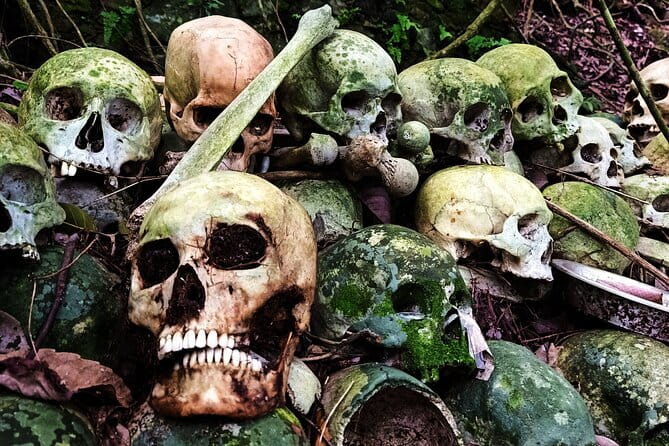
- Trunyan Cemetery on Skull Island, where bodies are left to decompose openly on land
- Bayung Gede’s placenta ritual, including what families do with it and why it matters
- Lake Batur and Mount Batur views during a relaxed portion of the day
- Story-first guiding, with guides like Tagu, Ade, and Gede known for calm explanations and strong storytelling
A respectful look at Balinese rituals around death and nature
This tour is built around one idea: death isn’t always treated like an ending. In the local worldview, ceremonies can keep the relationship between humans, spirits, and the natural world going. That is why the itinerary flows from a major temple to Trunyan’s cemetery practices, and then into Bayung Gede, where even a newborn’s placenta is handled with cultural meaning.
So go in with the right mindset. You don’t need to agree with the belief system to appreciate what you’re seeing. What you do need is patience and respect. A good guide helps you understand what you’re looking at—why it’s done, who it’s for, and what behavior is appropriate while you’re there.
I also like that the day isn’t just about shock value. You get time for the scenery too—especially around Lake Batur. That balance matters, because the subject can feel heavy, and you’ll want moments that bring you back to the bigger picture: rituals, community, and the natural cycle.
You can also read our reviews of more private tours in Ubud


Kehen Temple in Bangli: fire symbolism and banyan-tree wooden bell
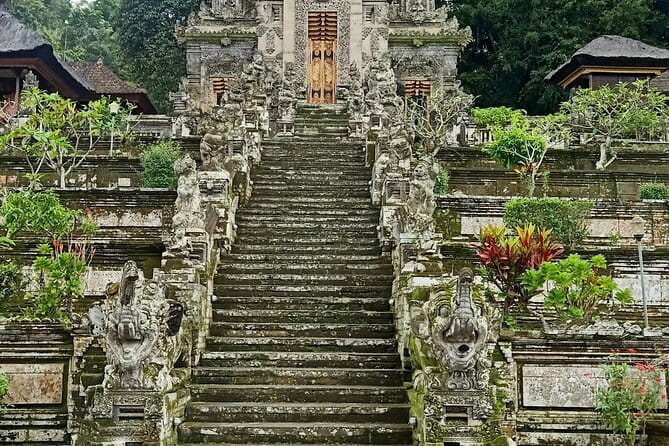
Your first major stop is Kehen Temple in Bangli Regency. It’s described as one of the oldest temples in the area, and it’s associated with the fire of God—so this isn’t a random detour. The temple setting also gives you a strong sense of how Balinese sacred spaces are integrated into daily life and old landscapes.
One standout detail here is the wooden bell that sits on or near banyan trees. It’s the kind of small feature that makes a place feel lived-in rather than staged. When you see it with a guide explaining what the space is meant to represent, it turns into more than a photo spot.
Time-wise, you should expect about 1 hour 30 minutes. That’s enough to walk through at an unhurried pace, absorb the layout, and ask questions. The tour includes a sarong at the temple, which helps you avoid scrambling for what to wear on the day. Still, I’d keep your clothing simple and comfortable, because you’ll likely be walking in and around temple grounds.
Possible drawback: temples can involve uneven surfaces and crowds depending on the day. If you move slowly or need frequent breaks, tell your guide early so they can pace you.
Trunyan Cemetery: Skull Island and open-air decomposing grounds
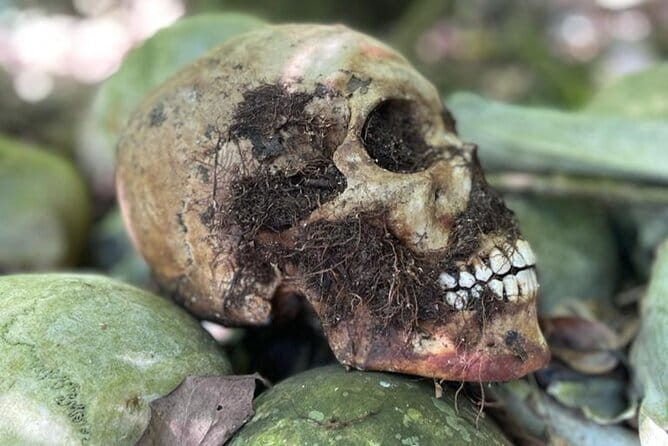
Next comes the centerpiece—Trunyan Cemetery in Trunyan Village, known by some as Skull Island because of its open-air cemetery style. This is where the tour becomes truly unique. Instead of burying bodies, they are left on land to decompose over time, tied to spiritual beliefs and ritual practice.
This is the stop where you should slow down your expectations. You’re not touring a museum with exhibits behind glass. You’re visiting a community area where the dead are treated according to tradition. A respectful guide will set the tone, and you should follow their cues closely: where to stand, when to stay quiet, and how to behave during ceremony-related moments if they overlap with your visit.
You get about 2 hours here, which feels like a good amount of time. Too short and you’d miss the nuance. Too long and you might feel mentally drained. In my view, 2 hours lets you look, listen, and step back when you need air—literally and emotionally.
And yes, the cemetery is visually striking. But the meaning matters more than the shock factor. If you come with questions like What’s the spiritual logic? or What does the community believe happens after death?, your guide is the difference between a confusing experience and a coherent one.
Practical note: you’ll likely be in an environment with strong natural smells and outdoor conditions since the process happens on land. Bring an attitude that’s flexible and kind, and expect that you might not feel comfortable the whole time. That’s normal.
Bayung Gede: the placenta ritual and how to watch respectfully
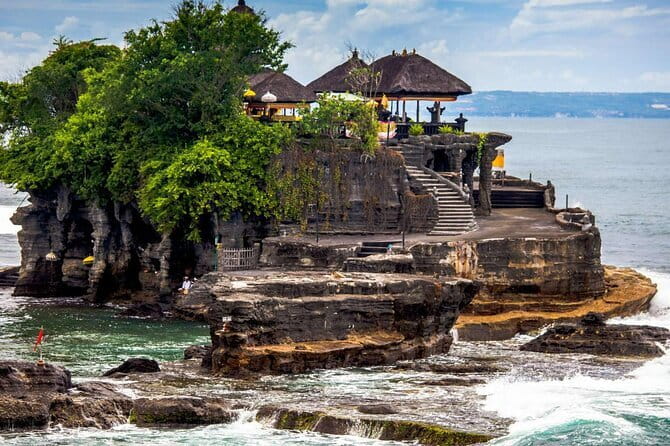
After Trunyan, the tour moves to Bayung Gede Village, focused on a tradition involving how families handle a baby’s placenta. This is included as a 1-hour cultural stop, and it’s noted as admission free.
The takeaway is that this practice is part of a bigger system: life events are treated with ritual attention, not thrown into the background. The tour frames it as cultural care, not spectacle. That’s important, because this is the kind of topic that can tempt people into gawking. A respectful viewing approach—quiet, patient, and focused on understanding—goes a long way.
The stop length works well. It’s long enough for a guide to explain what you’re seeing and why, without turning it into a repetitive talk. If you’re the type who likes to ask follow-up questions, this part of the day is a good place to do it.
Possible drawback: because this is community-based, you may feel a bit like an outsider even with a guide. If you’re uncomfortable observing family-centered rituals, you might prefer the temple and lake portions more.
Lake Batur by boat: Mount Batur views and hot-spring options
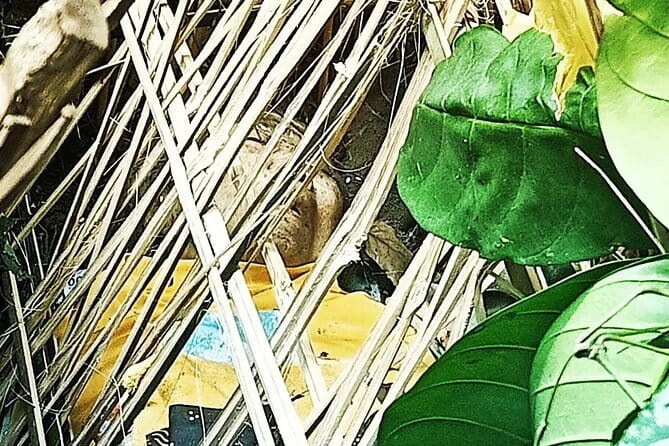
To round out the day, you head to Lake Batur (Danau Batur). This portion is about 2 hours, and it includes admission. You’ll get views of Mount Batur and the lake (Mount Batur is listed at 1,717 meters), which is where the day turns visually calming.
Boat time is also part of the included package—there’s a boat ticket in the tour inclusions. That means the lake experience isn’t just “stand on a viewpoint and move on.” You should have chances to actually take in the water and the volcano perspective.
One practical tip from guide-led experience: if your timing allows while you’re at the lake area, consider a visit to the hot springs near the water. It’s a nice way to balance the earlier, heavier emotional tone with something restorative. I’d treat it as optional, though; your guide will know what fits with your schedule.
What to bring here is common-sense travel gear: a light layer and a way to handle sun. Lakeside can shift with weather and wind.


Price, comfort, and your day-planning from Ubud
At $79 per person, this private tour can feel like a bargain compared with paying separately for multiple sites—especially because entrance tickets and key logistics are bundled in. You get bottled water, an air-conditioned vehicle, parking fees, a live tour guide, sarong at temple, and the boat ticket. The only explicit miss is lunch, so you’ll want to plan food around it.
The private setup matters more than people expect. A true private group means you can move at the pace that works for your attention span and comfort level. If you get quiet during the cemetery stop, you won’t have a crowd forcing you along.
Also, the guiding quality is one of the strongest points. One traveler highlighted Tagu for being chill, supportive, and intelligent. Another praised Ade for friendliness and standout knowledge. And Gede was singled out for story-telling and deep explanations that make ancient Bali feel real. Since this tour is guided, choose the day when you’re ready to listen; that’s where you’ll get the most value.
Driving time is real. If you’re based in Ubud, you’re not just going out for a quick look—you’re committing to the full loop. The good news is the vehicle is air-conditioned, and water is included.
A small timing reality: since this is a 6 to 8 hour day, you’ll want a full breakfast and some snacks. Bring a reusable bottle too if that helps your routine. And for temple stops, wear something that lets you sit or stand comfortably for a bit.
Who this is best for
This is ideal if you:
- want a private, guided day outside typical beach-and-shopping routines
- are curious about how Balinese spirituality connects daily life, death rituals, and nature
- like learning through stories, not just scrolling photos
It’s not the best match if you:
- can’t handle death-related rituals in any form
- expect a light, purely scenic tour with no heavy context
Should you book the Bali Private Mystic Death Tour in Trunyan?

If you want an authentic Bali experience that’s unusual without being careless, I’d say book it. The combination is what makes it work: Kehen Temple for sacred symbolism, Trunyan for the cemetery practice, Bayung Gede for ritual attention to life’s beginnings, and then Lake Batur for a visual reset. The guided approach is a big part of the value—when the guide is strong, the day clicks into place.
I’d hesitate only if the topic of death rituals will overwhelm you. And I’d plan food and energy ahead, since lunch isn’t included and the day runs long. If you can handle a respectful, guided look at real traditions, this tour is the kind of story you’ll talk about long after you leave Bali.
FAQ
Where does the tour start and end?
The tour starts at Ubud Palace and ends back at the meeting point.
How long is the Bali Private Mystic Death Tour in Trunyan?
It runs about 6 to 8 hours.
Is pickup from Ubud offered?
Yes, pickup is offered.
Is this tour private?
Yes. It’s listed as private, so only your group participates.
What are the main stops on the tour?
You’ll visit Kehen Temple, Trunyan Cemetery, Bayung Gede Village, and Lake Batur.
What’s included in the price?
Included items are bottled water, an air-conditioned vehicle, parking fees, entrance tickets, a live tour guide, a boat ticket, and a sarong at temple.
Is lunch included?
No. Lunch is not included.
Is admission included for all stops?
Admission is included for Kehen Temple, Trunyan Cemetery, and Lake Batur. Bayung Gede is listed as admission free.
How far in advance is this tour usually booked?
On average, it’s booked about 31 days in advance.
What is the cancellation policy?
You can cancel for a full refund up to 24 hours before the experience starts. If you cancel less than 24 hours before, the amount paid is not refunded.