REVIEW · PRIVATE
Bali Most Beautiful Temples Private Tour
Book on Viator →Operated by Bali Private Tour Id · Bookable on Viator
Four temples. One organized day.
If you want Bali temples without the stress of figuring out roads, this private route from Ubud hits the sweet spot: I like the hotel pickup and drop-off, and I like how the drive between stops is handled in air-conditioned comfort with a guide to translate what you’re seeing. The main drawback to plan around is timing—pickup can get messy if your hotel details aren’t spot-on, and one past experience flagged a late start tied to the wrong hotel.
You’ll spend roughly 8 to 10 hours seeing four major temple sites, with admission included for each stop. It’s built for first-timers or anyone who’d rather focus on the sights than parking, traffic, and figuring out where to stand and when to walk. One more consideration: the day depends on good weather, so if rain or conditions hit, you may be offered a different date.
In This Review
- Key highlights you’ll feel on the ground
- Why this Ubud temple route beats DIY driving
- Tirta Empul: the holy spring water ritual stop
- Besakih Temple: Bali’s biggest and holiest Hindu complex
- Gunung Kawi (Rocky Temple): UNESCO and stone drama
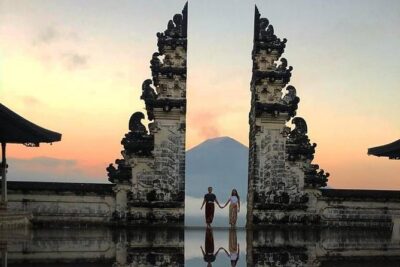
- Kehen Temple: that amazing gate near Kintamani
- Price and value: is $89.99 per person a fair deal?
- The guide is the difference (Mr Wayan and Wi stand out)
- Timing reality: a long day, fixed stop lengths
- Dress code and on-site etiquette (smart casual is your friend)
- Should you book this Bali Most Beautiful Temples private tour?
- FAQ
- How long is the Bali temples private tour?
- Do you get hotel pickup and drop-off?
- Which temples are included on the day trip?
- Are entrance fees included?
- What dress code should I follow?
- Is this tour private or shared?
- Is there a minimum number of travelers per booking?
- Do I receive a mobile ticket?
- What happens if the weather is bad?
- Can I cancel for free?
Key highlights you’ll feel on the ground
- Hotel pickup and drop-off in one package so you don’t need a meeting-point hunt
- Admission tickets included at each temple stop, so you’re not stuck paying again on-site
- Tirta Empul’s holy spring water and its bathing-structure layout that makes the ritual visual
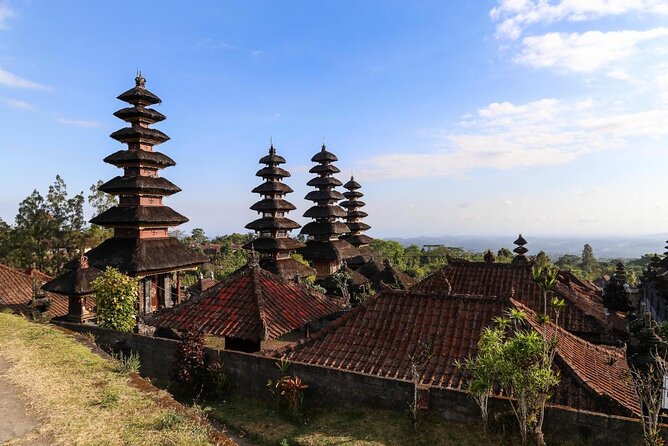
- Besakih’s Mount Agung setting at Bali’s largest and holiest Hindu temple complex
- Gunung Kawi (Rocky Temple) with UNESCO status and a dramatic stone atmosphere
- Guide impact that matters—names like Mr Wayan and Wi from Be Balinese tours are strongly tied to clear explanations
Why this Ubud temple route beats DIY driving
This tour is basically a trade: you pay more than a bus or a rental, but you buy back time and sanity. Bali’s roads can be confusing if you’re not used to the flow, and temple visits often come with small schedule windows. With a driver/guide handling the route, you can stay in your day instead of doing navigation work.
The other big win is pacing. Four temple stops across one long day is a lot—so having a plan matters. You’re not guessing how long each site will take, or whether you’re about to miss the best part while you’re still searching for parking.
Also, it’s set up as private. That means you’re not squeezing into someone else’s schedule. Only your group participates, and that’s a real quality-of-life upgrade on a temple crawl.
You can also read our reviews of more private tours in Ubud


Tirta Empul: the holy spring water ritual stop
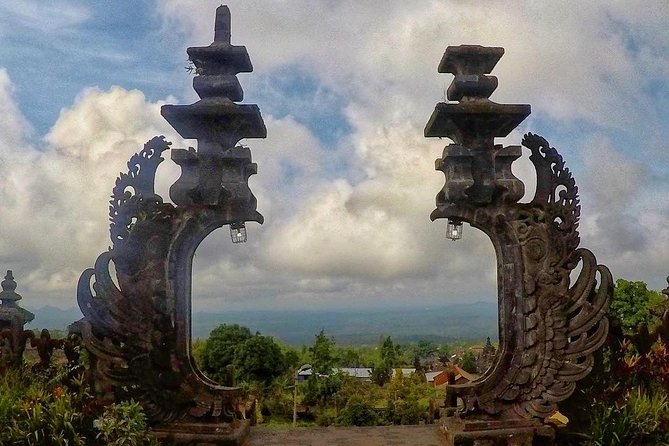
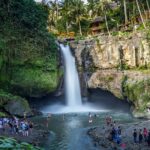
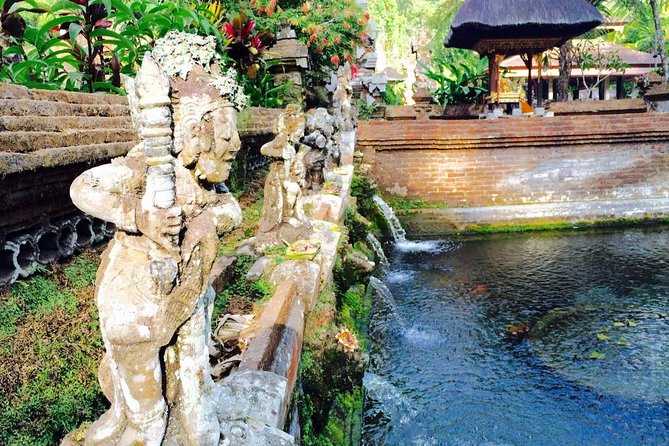
Tirta Empul is one of those Bali temples that feels instantly different because it’s tied to water. You’ll visit it for about 30 minutes, and admission is included.
What stands out here is the compound’s petirtaan—a bathing structure—and the holy spring water that’s central to the site’s Hindu Balinese traditions. Even if you don’t know the full background before you arrive, a good guide can help you read what’s happening: why people come, what the layout is showing, and how the water functions in the ritual.
Practical considerations for Tirta Empul:
- You should expect a more active, ritual-focused atmosphere than a purely scenic viewpoint.
- You’ll want to move with the flow and respect the rules for where visitors can stand and how they can observe.
- Since it’s only 30 minutes, treat it like a “pay attention” stop: watch the space, listen to the explanation, then do your photos quickly.
Besakih Temple: Bali’s biggest and holiest Hindu complex
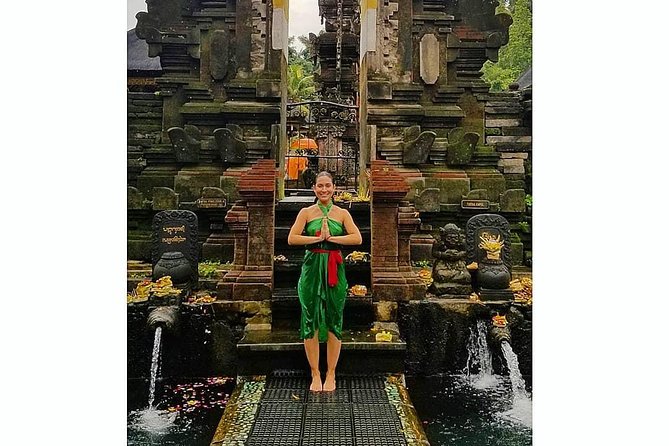
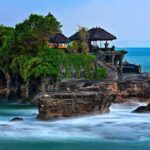
Besakih is the heavyweight. This is a temple complex on the slopes of Mount Agung in eastern Bali, and it’s widely regarded as the most important temple there—also described as the largest and holiest Hindu temple in Bali.
You’ll have about 45 minutes, and admission is included. That longer time slot matters. Besakih isn’t one building you can see at a glance. It’s a complex, and it rewards a slower walk and a little context.
Here’s what you’ll likely appreciate most:
- The site’s scale. Even with limited time, you can feel you’re in the center of something big.
- The setting. Being on the slopes gives the temple a different mood than lowland sites.
- The chance to understand why this place holds such weight. A guide’s commentary can connect the dots between history, religious meaning, and the visual choices you see in the architecture and layout.
A small caution: Besakih is a major name. That usually means the temple can feel busy, and that can eat into how quietly you can wander. The solution is simple: let the guide get you oriented first, then follow their timing for the best viewing spots.
Gunung Kawi (Rocky Temple): UNESCO and stone drama
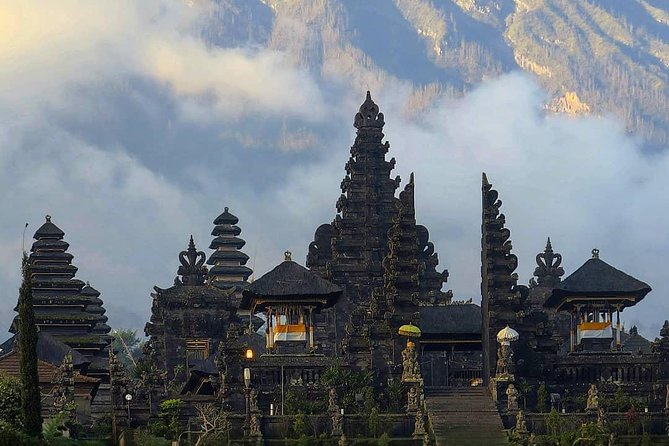
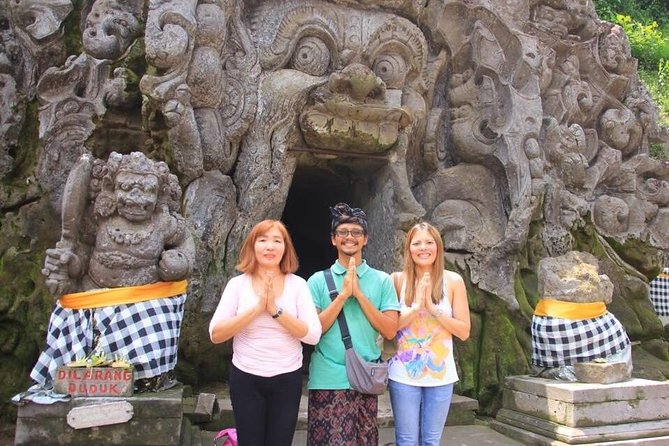
Next comes one of the most memorable “how did they build this?” stops. Gunung Kawi is often called the Rocky Temple, and it’s listed as a UNESCO site.
You’ll spend around 45 minutes, with admission included. The focus here is less about ritual action and more about atmosphere and form. The rock setting and the sculpted feel of the area make the temple feel carved into the landscape, which is exactly why it’s worth the stop.
Why this temple is a good fit for a private day:
- You’re not limited to a quick photo and leave. Forty-five minutes lets you actually look at details.
- A guide can explain what you’re seeing in plain language, instead of leaving you to guess at the layout and meaning.
- UNESCO status gives you a reason to pay attention: you’re not just seeing an old place, you’re seeing a site with cultural and historical recognition.
If you’re someone who loves architecture and doesn’t just want a checklist, this is the stop that tends to land hardest.
Kehen Temple: that amazing gate near Kintamani
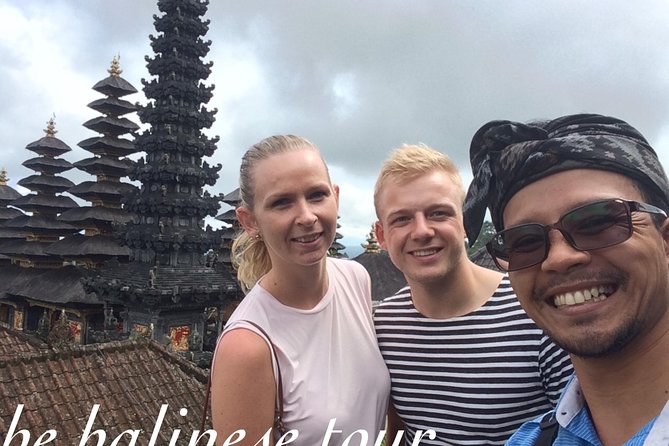
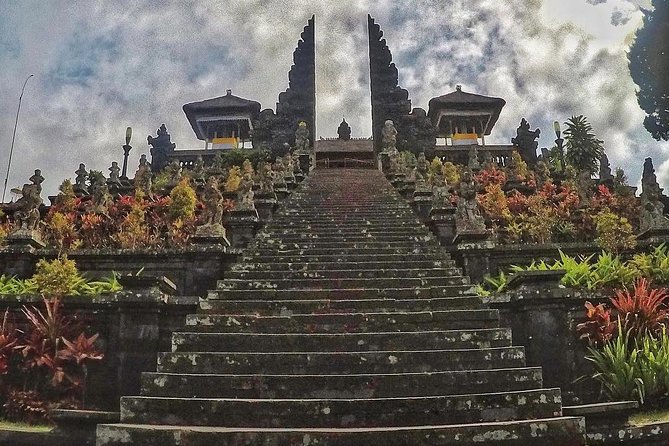
Kehen is the kind of stop that changes the tone of the day. Instead of only going for the biggest and best-known temple, you also get a chance to see something described as hidden, located near the town of Kintamani.
You’ll have about 45 minutes, with admission included, and it’s highlighted for its amazing gate. Gates sound like a small thing until you see one that’s built to impress. Here, the gate is the main visual event, and it’s also a good moment to slow down and take in how visitors approach the site.
What I like about adding Kehen to the lineup:
- It breaks up the “major landmark” feel of the earlier stops.
- The gate gives you a built-in focal point, which makes the visit easier to enjoy even when the day is moving.
- The Kintamani area adds variety to how the temple experience feels compared to the Ubud side.
Timing note: since the day is already long, Kehen’s 45 minutes is a good compromise—enough time to enjoy the gate and key views, not so long that it drags.




Price and value: is $89.99 per person a fair deal?
At $89.99 per person, this isn’t the cheapest way to see temples in Bali—but it’s also not priced like a luxury-only option. The value comes from stacking what you’d otherwise need to buy separately.
What you’re effectively paying for:
- Hotel pickup and drop-off (so you’re not managing transit on your own)
- Air-conditioned transport between stops
- A guide for history and cultural context
- Admission tickets included for all four temple stops
When admission is included at multiple stops, the math starts to make sense fast. If you tried to DIY, you’d still be paying for entry, plus you’d need transport and your time to manage it.
Who gets the best deal:
- First-time visitors in Ubud who don’t want to drive
- Couples and small groups who want a smoother, more private pace
- People who care about understanding what they’re seeing, not just collecting photos
Who might hesitate:
- If you’re comfortable driving yourself and you’re happy to navigate independently, you could potentially spend less.
- If you want a very slow, flexible temple day with lots of downtime, the fixed stop durations may feel a bit structured.
The guide is the difference (Mr Wayan and Wi stand out)
The best part of this kind of temple day isn’t the vehicle or the checklist. It’s the explanations. When a guide can connect history, religious meaning, and what you see in the architecture, the whole day feels more alive.
In the feedback patterns tied to this tour experience, guides such as Mr Wayan and Wi from Be Balinese tours are repeatedly linked with strong performance—people describe them as superb and good at walking through details as you move from site to site. That matters because each temple has a different purpose and layout, and it’s easy to miss that difference if you’re going in cold.
Look for a guide who:
- Keeps the day moving without rushing the key moments
- Explains what to notice at each stop
- Helps you understand why water temples, mountain-slope complexes, and rocky UNESCO sites feel different
You’ll feel the payoff most at Tirta Empul and Besakih, where the visitor experience is deeply shaped by ritual and meaning.
Timing reality: a long day, fixed stop lengths
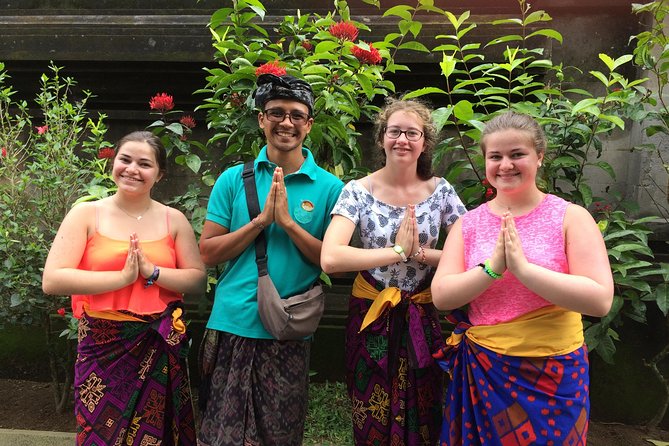
Expect 8 to 10 hours total. That means you’ll be in transit and walking on a schedule. The individual stop times—about 30 minutes for Tirta Empul and 45 minutes for the other three—are set up to balance variety and coverage.
How to make that work for you:
- Treat each stop as a “focused visit,” not an all-day wander.
- Wear comfortable shoes and assume you’ll do more walking than you think.
- Bring patience for the rhythm of a temple circuit: there are transitions, waiting moments, and times when you’re asked to move calmly.
The day’s structure is what makes it a good option for first-timers. You’ll come away feeling like you actually saw Bali temples in a meaningful way, without spending the trip obsessing over logistics.
Dress code and on-site etiquette (smart casual is your friend)
The stated dress code is smart casual. Temples often have their own modesty expectations, so think simple and respectful: covered legs and appropriate tops usually make it easier.
Also, because you’re visiting multiple Hindu sites, you should be ready to follow instructions from your guide and from staff at each location. Even when admission is included, rules about movement and observation can vary by space.
If you’re unsure what to wear, I’d err on the side of conservative comfort. The goal isn’t to look fancy. It’s to be able to move and observe without feeling self-conscious.
Should you book this Bali Most Beautiful Temples private tour?
Book it if you want an organized, temple-focused day from Ubud and you’d rather not wrestle with driving, parking, and timing. It’s especially strong for first-time visitors who will appreciate hotel pickup, air-conditioned transport, and a guide who helps you understand what Tirta Empul, Besakih, Gunung Kawi, and Kehen each bring to the table.
Skip or reconsider if you prefer total independence and you’re comfortable driving yourself. Also, if your schedule is ultra-tight, build in a little buffer—pickup timing can be sensitive if hotel details aren’t perfectly noted.
Bottom line: for most people doing Bali for the first time, this is a smart way to see several of the island’s best-known temple experiences in one day, with less hassle and more context than DIY.
FAQ
How long is the Bali temples private tour?
It runs about 8 to 10 hours.
Do you get hotel pickup and drop-off?
Yes. Hassle-free hotel pickup and drop-off are included.
Which temples are included on the day trip?
The stops are Tirta Empul, Besakih, Mount Kawi (Gunung Kawi), and Kehen Temple.
Are entrance fees included?
Yes. Admission tickets are included for each listed stop.
What dress code should I follow?
The dress code is smart casual.
Is this tour private or shared?
It’s private. Only your group will participate.
Is there a minimum number of travelers per booking?
Yes. A minimum of 2 people per booking is required.
Do I receive a mobile ticket?
Yes. A mobile ticket is included as a feature.
What happens if the weather is bad?
This experience requires good weather. If it’s canceled due to poor weather, you’ll be offered a different date or a full refund.
Can I cancel for free?
Free cancellation is available. You can cancel up to 24 hours in advance for a full refund.