REVIEW · WATERFALL TOURS
Purification Holy Bath at Beji Gria Waterfall
Book on Viator →Operated by Bali Yowana Tour · Bookable on Viator
Most Bali ceremonies feel quiet. This one makes you react.
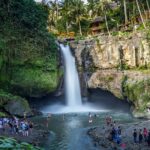
The purification holy bath at Beji Gria Waterfall is a guided spiritual walkthrough with real participation, not just watching. I love the structured steps with a temple priest, plus the chance to let go through the scream/cry moment and the joy moment at the second waterfall. I also like that the experience is private from pickup to drop-off, so you can move at your pace and get help with the water steps. One drawback to consider: the water is cold, the canyon walk can be awkward if you’re not steady on your feet, and you’ll want to be comfortable getting wet and changing clothes.
A trip like this is part nature trip, part ritual. If you’re looking for a photo-only stop, you might feel rushed. If you’re the type who likes hands-on culture, you’ll probably come away feeling lighter and more grounded than you expected.
In This Review
- Key things to know before you go
- Beji Gria Waterfall Purification: Why This Ritual Feels So Different in Ubud
- The Full Ceremony Flow: From Prayer to Coconut Blessing
- 1) Prayer and meditation before the first water
- 2) First holy bath in a narrow canyon (balance)
- 3) Second holy bath in a small well (cleanse your aura)
- 4) Release tension by screaming or crying at the first waterfall
- 5) Express happiness by smiling or laughing at the second waterfall
- 6) Final priest blessing with green and yellow coconut water
- The Beji Gria Waterfall Stops You’ll Actually Feel: More Than Just a Ride
- Stop 1: Hotel pickup with Bali Yowana Tour
- Stop 2: The main event at the waterfall (about 2 hours)
- Stop 3: Return to Ubud
- Cold Water, Canyon Footing, and the Moment You Stop Overthinking
- What you should prepare for physically
- The emotional part you can’t fake
- What to Wear and Bring: Your “No-Drama” Checklist
- Wear light, comfortable clothes
- Bring the basics that actually matter here
- Shoes: use common sense
- Value for $59: What You’re Paying For and What You’ll Still Cover
- What’s included in the price
- What’s not included
- Private Tour Energy, Photo Help, and the Reality of On-Site Sales
- Who Should Book This (and Who Should Think Twice)
- Ideal for
- Important limits to know
- Should You Book the Purification Holy Bath at Beji Gria Waterfall?
- FAQ
- How long does the Purification Holy Bath at Beji Gria Waterfall take?
- Is hotel pickup included?
- Who leads the ceremony during the holy bath?
- What is included in the $59 per person price?
- Do I need to bring anything?
- Is food included?
- Can women on their period participate?
- What if I need to cancel?
Key things to know before you go

- A priest-led start sets the tone before you enter the water, with meditation/prayer guided by a temple priest.
- Two bathing moments happen in different spots with different intentions: balance and aura cleansing.
- Sound is part of the ritual: you release tension by screaming/crying, then express happiness by smiling/laughing.
- You’ll need a real swimsuit plan plus a change of clothes for the end.
- Private pickup, with a 30–60 minute ride each way depending on where your hotel is in Ubud.
- There’s a strict local rule: women on period/menstruation aren’t allowed to do the holy bath.
Beji Gria Waterfall Purification: Why This Ritual Feels So Different in Ubud
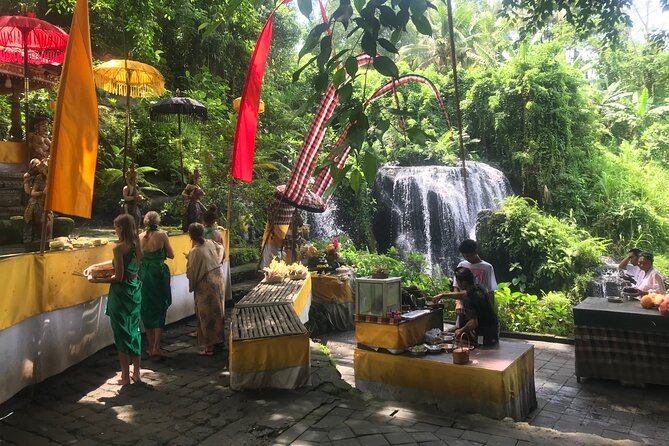
Ubud has plenty of spiritual stops, but this one is different because it’s not passive. You don’t just stand and watch. You follow a series of ritual steps that ask you to physically and emotionally participate, then you rinse it all away in the waterfall and the water features.
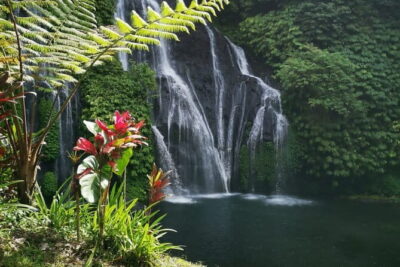
That mix is powerful: the site is naturally beautiful, yes, but the ceremony is the main event. You’ll start with prayer/meditation led by a temple priest, then move into bathing areas that feel more like a sacred path than a viewpoint. And because you go from tension release to joy expression, the experience lands like a reset button for your mood as well as your body.
I also like the way the tour is set up for comfort. You get picked up from your hotel and returned after the ceremony, with an authorized guide staying close throughout the ritual. One review experience included a driver named Vito, and the guide Pandu was praised for explaining the process and capturing moments on your phone. Even if your guides differ, the goal is the same: help you get through the steps confidently, then get photos without the stress.
You can also read our reviews of more tours and experiences in Ubud.

The Full Ceremony Flow: From Prayer to Coconut Blessing
Here’s the rhythm of what you’ll do, in the order it happens. This matters, because each moment has a purpose and a mood.
1) Prayer and meditation before the first water
You’ll begin with meditate/pray led by a temple priest. Think of this as setting your mindset before you enter the water. It’s a small pause in your day, but it also helps you understand that the ceremony isn’t only about soaking. The guide will help you follow along so you don’t feel lost when the priest starts leading the steps.
2) First holy bath in a narrow canyon (balance)
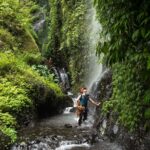
Next, you walk through a narrow canyon and take your first holy bath. This first immersion is described as balancing your health. Practically, this is the moment when you feel the “realness” of the experience: you’re getting into cool natural water while moving through a tight path.
3) Second holy bath in a small well (cleanse your aura)
After the first release, you move to a second cleansing spot: a small well. This one’s meant to cleanse your aura so you can attract happiness and luck. The mood shifts here. You go from the intensity of the canyon water moment to a more focused cleansing stage.
4) Release tension by screaming or crying at the first waterfall
One of the most memorable parts is that the ritual includes a dramatic emotional release. You’ll be invited to release anxiety, tension, and sadness by screaming or crying as loudly as you can at the first waterfall.
I get why this isn’t for everyone, but it’s also why people talk about this experience later. It’s not performative. It’s cathartic. You don’t have to be dramatic in your personality. The ritual structure guides the emotion.
5) Express happiness by smiling or laughing at the second waterfall
Then comes the counterbalance: at the second waterfall, you express happiness by smiling and laughing as loudly as you can. If the first part is about letting go, this part is about choosing a different emotional state. Even if you feel a bit self-conscious at the start, it often becomes easier once you’re in it.
6) Final priest blessing with green and yellow coconut water
At the end, you receive the last blessing from the priest using pure holy water made from green and yellow coconut water. This is the symbolic closing moment, the part that helps the whole ritual feel complete instead of like “just two waterfalls.”
The Beji Gria Waterfall Stops You’ll Actually Feel: More Than Just a Ride
Your day is simple on paper: pickup, ceremony, return. In reality, the details make it smooth or stressful, so here’s what to plan for.
Stop 1: Hotel pickup with Bali Yowana Tour
You’ll be picked up at your lobby hotel by the Bali Yowana Tour team. The drive to Beji Gria Waterfall takes around 30 minutes to 1 hour, depending on traffic and where your hotel is.
This stop also includes the admission ticket, so you’re not juggling extra payments mid-day. One practical benefit of private pickup: you’re not waiting in a mix of groups and schedules. Your guide can start orienting you as soon as you arrive.
Stop 2: The main event at the waterfall (about 2 hours)
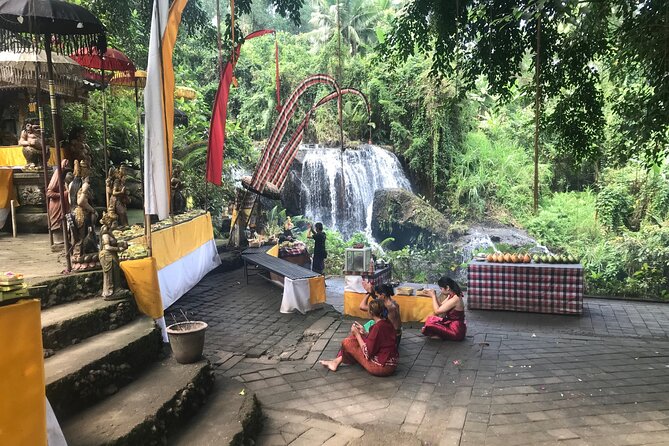
At the waterfall, an authorized guide meets you and stays with you through the holy bath steps. The ceremony portion is roughly 2 hours. That time isn’t only “standing in water.” It’s the full flow: prayer, moving through the path, two bathing areas, the sound-based emotional release, and the final priest blessing.
Based on what you’re doing, you’ll want mental energy for this. It’s not strenuous trekking, but it is active participation with water and timing. If you’re sensitive to cold, bring that awareness and don’t treat it like a casual dip.
Stop 3: Return to Ubud
After the purification, your driver returns you to your hotel in Ubud. The ride back also runs about 30 minutes to 1 hour depending on traffic.
That matters because it affects your total day. From pickup to drop-off, the whole experience is about 5 hours depending on your location and road conditions.
Cold Water, Canyon Footing, and the Moment You Stop Overthinking
If you’ve ever underestimated “natural cold water,” you’ll understand what I mean here. You’re going to feel it. The holy bath is cleansing, but it’s still a real body shock when you enter and move through the water steps.
What you should prepare for physically
- You’ll be wet and moving through water-adjacent areas.
- You’ll have a canyon path section where balance matters more than style.
- You’ll likely want a change of clothes soon after the bathing steps finish.
The emotional part you can’t fake
The screaming/crying and smiling/laughing pieces are where the ceremony becomes memorable. It’s normal to hesitate at first. What helps is remembering the purpose: release tension, then express happiness. Once you start, it tends to feel more natural than you expect.
If you’re shy, you can still participate. The guide will help set your pace so you don’t feel totally on your own.
What to Wear and Bring: Your “No-Drama” Checklist
This is where a lot of people either make it easy for themselves or suffer a little. You’ll thank yourself for dressing for wet work.
Wear light, comfortable clothes
Plan for quick changes. You’ll want light layers you don’t mind getting damp while you move between steps.
Bring the basics that actually matter here
The tour advice is clear: pack a swimsuit, a change of clothes, sunscreen, sunglasses, and a hat/cap. I’d also add that a water bottle and snacks make the day feel calmer before the ceremony and after you change.
For your personal comfort, bring:
- a camera (if you’re planning photos)
- petty cash (useful for small on-site needs, though no specific purchases are required)
- a towel if you have one you like (not listed, but it can be handy)
Shoes: use common sense
No specific footwear is listed, so I won’t invent rules. Just treat it like a wet site: you want traction and you want to avoid slipping.
Value for $59: What You’re Paying For and What You’ll Still Cover
$59 per person sounds straightforward, but the value is in what’s included.
What’s included in the price
You get:
- Private hotel pick up and drop off
- Local authorized guide who explains each step
- Parking fees
- All necessary offerings for holy bath, including incense sticks
- A special sash/cloth for the holy bath
- Admission ticket included for the main part
That’s a lot of “messy details” handled for you. If you tried to organize it yourself, you’d still need someone to guide you through the ceremony steps and help you understand what to do at each stage.
What’s not included
- Food and drinks
- Other personal expenses
So budget for at least a snack or meal depending on your timing. This isn’t a full-day tour with guaranteed lunch.
If you love the idea of ritual with structure, this price tends to feel fair. If you only want a nature viewpoint and don’t plan to participate emotionally, you might feel like you paid for something you didn’t fully use. For the right person, it’s one of the best “you’re doing it, not just seeing it” experiences around Ubud.
Private Tour Energy, Photo Help, and the Reality of On-Site Sales
This is a private tour/activity, meaning only your group participates. That’s a big quality-of-life upgrade. You can move through the ceremony steps without feeling like you’re part of a crowd.
Photo support is another practical win. In one of the experiences shared, the guide was praised for capturing great moments on a phone during the ceremony. If photography matters to you, ask your guide to work with you during the moments that make sense, rather than interrupting the prayer and bathing parts.
One more note, because it came up: this kind of experience can feel a bit touristy, and there can be product pressure around the site. You may be approached to buy items. You don’t have to. Be polite, but be firm, and stay focused on the ceremony you came for.
Who Should Book This (and Who Should Think Twice)
This fits best if you want an active spiritual experience in a real setting, with guided steps and emotional participation.
Ideal for
- People who like culture that involves your body and not only your camera
- Travelers who want a guided spiritual ritual with a local priest-led start
- Anyone staying around Ubud who prefers hotel pickup over figuring out transport
Important limits to know
- Women on period/menstruation are not allowed to do the holy bath for safety reasons (this is a temple policy).
- Minimum age is 10 years old.
- Maximum age is 60 years old.
If you’re close to the age limits, you might want to think about comfort and balance in cold water. If you have mobility concerns, consider whether a canyon walk and wet footing will be comfortable for you.
Should You Book the Purification Holy Bath at Beji Gria Waterfall?
Book it if you want a structured, priest-led purification ritual where you actually participate. The ceremony’s step-by-step flow, the emotional release component, and the included guide support make it feel meaningful instead of complicated.
Skip it if you’re mainly chasing scenery and want a relaxed, low-commitment stop. The water, the sound-based participation, and the changing clothes mean you should go in prepared for a full experience, not a quick dip.
If you do book, plan for cold water, bring a swimsuit and change, and go in with a mindset of letting go. That’s when the ceremony stops being “something to do” and becomes the reset you were hoping for.
FAQ
How long does the Purification Holy Bath at Beji Gria Waterfall take?
The holy bath experience runs about 3 to 4 hours, and total activity time from pickup to drop-off is around 5 hours depending on your hotel location and traffic.
Is hotel pickup included?
Yes. Private hotel pick up and drop off are included, with the transfer to Beji Gria Waterfall usually taking 30 minutes to 1 hour.
Who leads the ceremony during the holy bath?
An authorized local guide meets you at the waterfall and accompanies you throughout the holy bath steps, explaining what to do.
What is included in the $59 per person price?
The price includes private pickup/drop-off, an authorized guide, parking fees, offerings for the holy bath (including incense sticks), the special sash/cloth, and admission ticket coverage as part of the tour stops.
Do I need to bring anything?
You should wear light comfortable clothing and bring a swimsuit and a change of clothes, sunscreen, sunglasses, a hat/cap, a water bottle, snacks, and a camera. Petty cash is also suggested.
Is food included?
No. Food and drinks aren’t included.
Can women on their period participate?
No. Women on period/menstruation aren’t allowed to do the holy bath due to local temple safety policy.
What if I need to cancel?
You can cancel for free up to 24 hours in advance for a full refund. Less than 24 hours before start time is not refundable.