REVIEW · RICE TERRACE TOURS
Tanah Lot and Jatiluwih Unesco Rice Terrace Private Tour
Book on Viator →Operated by Peaceful Bali Tour · Bookable on Viator
Salt air and sacred views.
This private Ubud tour strings together Tanah Lot and Jatiluwih UNESCO rice terraces with time to see what you’re actually looking at, not just snap and go. I love how the day mixes seaside temple drama with mountain-air calm, and you get a guide who keeps things organized.
I also love the way Jatiluwih is treated as the main event. You get about 1 hour 45 minutes there, which is long enough to walk paths, pause for viewpoints, and feel the scale of the terraces around Mount Batukaru.
One watch-out: this is an 8 to 10 hour day with multiple stops, so plan for a long ride, temples on uneven ground, and no included meals.
In This Review
- Key highlights at a glance
- A smart full-day route from Ubud: temples plus UNESCO terraces
- Road time and pace: what 8–10 hours feels like
- Stop 1: Tanah Lot and Batu Bolong—sea-temple drama
- Stop 2: Jatiluwih UNESCO rice terraces at 700 m altitude
- Stop 3: Luhur Batukaru temple—forest calm near the mountain
- Stop 4: Taman Ayun temple—royal gardens and 17th-century roots
- Guide and pacing details that make the day work
- What’s included (and what you’ll need to plan for)
- Price and value: is $65 per person fair for this day?
- Who should book this tour (and who might skip it)
- Small planning tips that will keep your day easy
- Should you book this private Tanah Lot and Jatiluwih tour?
- FAQ
- How long is the Tanah Lot and Jatiluwih private tour?
- Is pickup offered for this tour from Ubud?
- What stops are included in the day?
- What is included in the price?
- Are meals included?
- What if I’m traveling with a small child?
- Do I need good weather for this experience?
- Is there a cancellation window for a full refund?
Key highlights at a glance

- Private, AC car and tickets covered so you can focus on sights instead of paperwork
- Tanah Lot’s 16th-century sea setting plus nearby Batu Bolong temple scenery
- Jatiluwih UNESCO terraces (since 2012) at about 700 m altitude for cooler air and big panoramas
- Luhur Batukaru temple in a quiet forest at the foot of Mount Batukaru
- Taman Ayun royal family temple (built in 1634) with garden surroundings for slower strolling
- Guide attention and timing with guides like Agung, Kotaro, and Ketut noted for clear explanations and keeping the pace comfortable
A smart full-day route from Ubud: temples plus UNESCO terraces
This is the kind of Bali day trip that works because it doesn’t force everything into a blur. You start with Tanah Lot, then shift into Jatiluwih’s rice-terrace world, and close with temple stops that feel calmer and more local.
The value here is not only the sights. It’s the sequencing and the time. Tanah Lot gives you that iconic sea-temple moment, but Jatiluwih gets enough time for you to actually appreciate the views and the terraces’ layers.
If you like culture, you’ll enjoy how each temple has its own setting and mood: coast, forest, and a royal garden complex. If you like scenery, you’ll also get variety without changing hotels or adding extra logistics.
You can also read our reviews of more private tours in Ubud


Road time and pace: what 8–10 hours feels like
Expect a full day. The tour runs about 8 to 10 hours, with roughly 45 minutes at Tanah Lot, 1 hour 45 minutes at Jatiluwih, and about 45 minutes each at Luhur Batukaru and Taman Ayun.
That timing matters because it shapes how you’ll experience each place. Tanah Lot is time for arrival, photos, and soaking in the waves-and-temple scene. Jatiluwih is the slow stretch: you can walk, look, and keep moving when the view improves around each turn.
The plus side of the schedule is that it stays comfortable. A big theme in the guide feedback is no rush, with guides taking time to explain as you travel. The trade-off is simple: you’ll be in the car for a good portion of the day, so bring the kind of patience that makes Bali days pleasant.
Stop 1: Tanah Lot and Batu Bolong—sea-temple drama
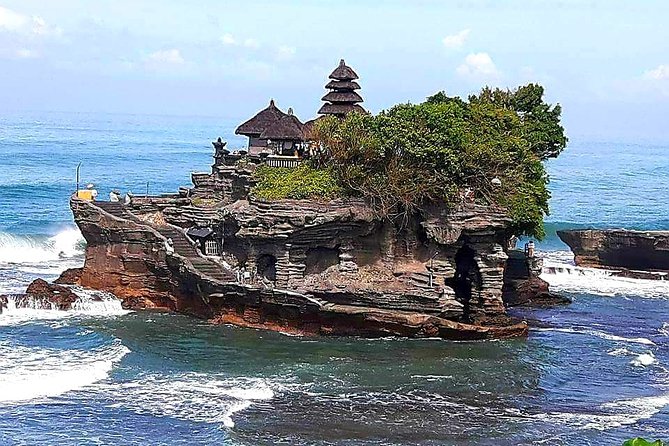
Tanah Lot is one of the island’s most famous temples, and the reason is obvious once you see it in person. It was built in the 16th century and sits in the middle of the Indian Ocean, which gives it that dramatic, surrounded-by-water feel.
Nearby you’ll also see Batu Bolong temple, mentioned as a nice additional stop in the same area. Even if you don’t spend ages there, it helps you understand that Tanah Lot isn’t a single-picture moment. It’s part of a cluster of coastal worship locations.
You’ll spend about 45 minutes here. That’s enough time to wander, take in the coastline, and notice the temple positioning against the sea. Just be ready for the ground to be busy and uneven in places, especially if you’re moving around for the best angles.
A practical tip: if you’re visiting for that late-day glow, plan to keep your camera accessible and your schedule flexible. The tour is not built around a specific sunset promise, but the seaside atmosphere can get spectacular as the light changes.
Stop 2: Jatiluwih UNESCO rice terraces at 700 m altitude
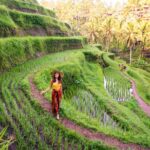
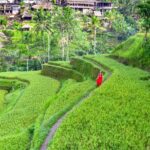
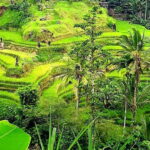
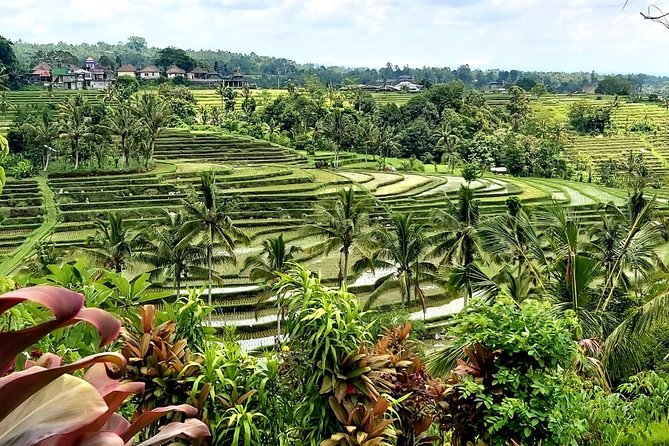
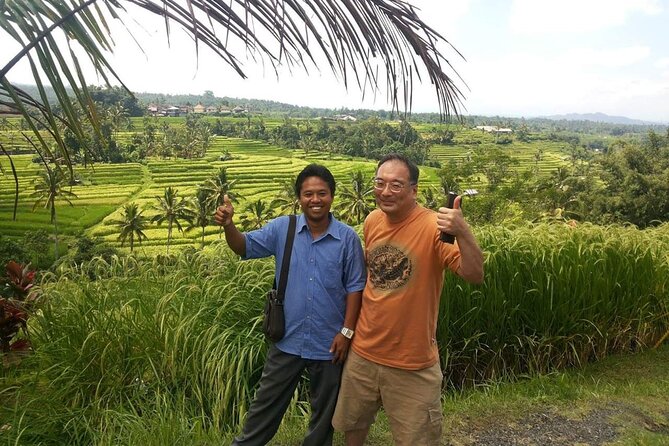
Jatiluwih is the main scenery payoff. This is described as the largest rice field in Bali, located at the foot of Mount Batukaru with an altitude of about 700 meters, which often means fresher air than the lowlands.
Since 2012, Jatiluwih has been recognized as a UNESCO World Heritage site. What that means for you is not just a label. It’s a reason the terraces are worth slowing down for: they’re part of a living agricultural landscape with long-term value, not an artificial lookout.
You’ll get about 1 hour 45 minutes at Jatiluwih, and that time is crucial. It’s long enough to walk a section of paths, compare viewpoints, and understand how the terraces step down across the hills. If you only stop for 10 minutes, you miss the structure.
One more thing: guides are often good at connecting the dots between farming, ritual, and daily life. In particular, Kotaro is noted for explaining how Bali’s religion and culture relate as you move through these temple and terrace areas. Even when you’re just walking, that kind of context makes the scenery feel more grounded.
Expect a relaxed rhythm here. You’re not doing a hike for hours, but you are moving, standing, and photographing from different angles. Wear shoes you trust.
Stop 3: Luhur Batukaru temple—forest calm near the mountain
After the open terrace views, Luhur Batukaru gives you a quieter mood shift. Pura Luhur Batukaru sits at the foot of Mount Batukaru and is described as a secluded location in the middle of a forest.
The atmosphere is the point. You’re not just touring a building; you’re stepping into a calm setting where the surroundings help explain why people come to these places. You’ll spend about 45 minutes here, which usually works well because the experience is more about stillness than speed.
This is also a stop where your guide can help you notice details you might otherwise skip. A temple like this is easy to treat as scenery, but it’s more meaningful when someone explains how the space connects to Bali’s religious life and the broader geography.
Because it’s in forest surroundings, bring your flexibility. Depending on conditions, paths and shade can make footing feel different than at coastal spots. The good news: you don’t need to sprint through this one.





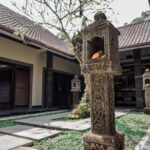
Stop 4: Taman Ayun temple—royal gardens and 17th-century roots
The last temple stop is Taman Ayun Temple, built in 1634 as a royal family temple. You’ll see it surrounded by beautiful garden areas, which changes the feel again from sea and forest.
This stop is about slowing down. You’ll spend roughly 45 minutes, which typically gives you time to walk the perimeter areas, take photos, and enjoy the garden setting without feeling pushed.
Garden-temple combinations are a big part of Bali’s layout. They’re not random. They help shape how you move through space, where you pause, and how the place feels when you’re not rushing.
If you prefer temples that feel more serene than dramatic, this is often the one that lands best. It’s also a strong closer because it’s easier to enjoy after a full day of driving and earlier sightseeing.
Guide and pacing details that make the day work
This is a private tour, meaning it’s just your group. That matters because you can actually move at the pace of your interests, not a bus schedule.
In the feedback, guides like Agung and Ketut are specifically praised for being helpful, explaining traditions clearly, and keeping the day from feeling rushed. Ketut is noted for explaining traditions on the island, and Agung for taking time so the sequence feels smooth rather than mechanical.
You’ll also benefit from how the guide approach pairs travel time with context. If you’re hoping to understand why a temple is placed where it is, or why terraces look the way they do, you’re in the right kind of day. The scenery is great, but context is what makes it memorable.
Also, the tour includes bottled water. It’s simple, but after hours in the car, that small comfort helps you focus on the sights instead of hunting for hydration.
What’s included (and what you’ll need to plan for)
Here’s what you can count on being handled for you:
- Sarong to use for entering temples
- Entrance fees
- Comfortable AC car
- Parking fees, petrol and tax
- Bottled water
Meals are not included, so plan for a lunch and snacks on your own. Since the tour covers multiple stops, it’s smart to bring small snack items if you get hungry between locations.
You’ll also want to think about temple-appropriate clothing. The sarong helps with entry, but you still need clothes that let you walk comfortably. If you’re wearing sandals, make sure they grip well for uneven ground.
Price and value: is $65 per person fair for this day?
At $65.00 per person, this tour is priced like a mid-range Bali private experience. The key to judging value is what’s already bundled in.
You’re paying for a private AC car, entrance fees, sarong, parking, petrol, taxes, and bottled water. You’re also getting a structured day built around time at the biggest sight (Jatiluwih) and shorter, well-paced temple stops.
The not-included part is meals and personal expenses. So if you usually spend money on tours that don’t cover entry tickets, this can feel efficient. If you’re already planning to visit these places independently, the private transport and included tickets are the main savings in time and hassle.
Also note that it’s commonly booked about 5 days in advance. That suggests it’s popular, likely because it hits several must-see sites without turning into a stressful marathon.
Who should book this tour (and who might skip it)
I’d point you toward this private day if you want:
- a single organized route from Ubud
- UNESCO rice terraces time that doesn’t feel rushed
- a mix of seaside, forest, and garden temple settings
- a guide who slows down and explains more than just where to stand for photos
You might skip it if:
- you dislike long travel days (it’s 8 to 10 hours)
- you want a very flexible schedule with long free time in just one location
- you don’t plan to manage meals and snacks on your own
If you’re traveling as a couple, a small family, or friends who want control without the work of planning, private transport plus included admissions makes sense.
Small planning tips that will keep your day easy
A few practical things will make the day feel smoother:
- Bring shoes that handle uneven ground and possible damp patches near temples and coasts.
- Pack a light layer. Higher areas like Jatiluwih can feel cooler at altitude compared with the heat lower down.
- Plan for a meal gap. Since meals aren’t included, have a strategy before the tour starts.
- If you’re traveling with a child, baby seats are available on request for ages 1–4.
And because this experience requires good weather, keep your day flexible if the forecast looks shaky. Bad conditions can affect visibility at both the sea-temple and the terraces.
Should you book this private Tanah Lot and Jatiluwih tour?
Book it if you want a well-structured Ubud day that hits the classics—Tanah Lot, Jatiluwih UNESCO terraces, and two additional temple stops—without turning into a sprint. You’ll appreciate the private AC car, the included entrance fees, and the extra time at Jatiluwih, which is where most people want breathing room.
I’d pass if your idea of a perfect Bali day is lots of wandering without any set stops. This tour is designed for a specific route and a specific pace. But for culture plus big views, it’s a strong fit—and it saves you the stress of building a route across multiple regions yourself.
FAQ
How long is the Tanah Lot and Jatiluwih private tour?
The tour typically runs 8 to 10 hours.
Is pickup offered for this tour from Ubud?
Yes, pickup is offered.
What stops are included in the day?
The tour includes Tanah Lot Temple, Jatiluwih rice terraces, Luhur Batukaru Temple, and Taman Ayun Temple.
What is included in the price?
Included items are sarong for temple entry, entrance fees, an AC car, parking fees, petrol and tax, and bottled water.
Are meals included?
No. Meals are not included, so you’ll need to plan your own lunch and snacks.
What if I’m traveling with a small child?
A baby seat is available on request for ages 1 to 4 years.
Do I need good weather for this experience?
Yes. This experience requires good weather. If it’s canceled due to poor weather, you’ll be offered a different date or a full refund.
Is there a cancellation window for a full refund?
Yes. Free cancellation applies, and you can cancel up to 24 hours in advance for a full refund.