REVIEW · TOUR REVIEWS
Rural Charm of Bali Tour
Book on Viator →Operated by Tour East Indonesia · Bookable on Viator
Early morning, country calm, real Balinese flavor. This Gulingan Village experience steers you away from beach traffic and souvenir stops, then lands you in terraced rice country with a traditional cooking demonstration and lunch. I especially like the mix of hands-on food prep (spices, grinding, mixing) and simple everyday village activities that feel lived-in, not staged.
The main consideration is the walking. You’ll move through rural village paths and rice fields, so good walking shoes matter more than flip-flops.
In This Review
- Key Highlights to Know Before You Go
- Hitting the Ubud Interior Instead of the Usual Stops
- Price and Value: Is $71.80 Worth It?
- Pickup Timing: The Early Start That Helps You Avoid Slowdowns
- Gulingan Village and the Rice-Field Routine
- The Kitchen Part: Market-to-Spice-to-Meal
- Lunch in a Thatched Pavilion: What Makes It Stick
- Your Guide Can Make or Break the Day
- Walking Shoes, Pace, and Who This Tour Fits Best
- Planning Tips That Save You Hassle
- So, Should You Book This Rural Charm Tour?
- FAQ
- How long is the Rural Charm of Bali Tour?
- What time does the tour start?
- When does hotel pickup happen?
- Where is the meeting point?
- What is included in the tour price?
- Do I get to participate in the cooking or is it only a demonstration?
- What activities are included besides cooking?
- Is lunch included?
- Is there a cancellation deadline for a full refund?
- Are there any group size limits?
Key Highlights to Know Before You Go
- Gulingan Village and rice-terrace views: a quieter Bali moment in the island’s interior
- Cooking lesson that starts with ingredients: a traditional market stop plus spice prep
- A traditional lunch in a thatched pavilion: your meal comes with the rural backdrop
- Plantation strolls and rural activities: coffee, vanilla, cloves, plus pond fishing and kite flying
- Hotel pickup and drop-off: included from major Kuta/Seminyak/Sanur/Jimbaran/Nusa Dua areas
- Expect a demonstration, not a full cooking takeover: you’ll participate, but much is taught as a show
Hitting the Ubud Interior Instead of the Usual Stops
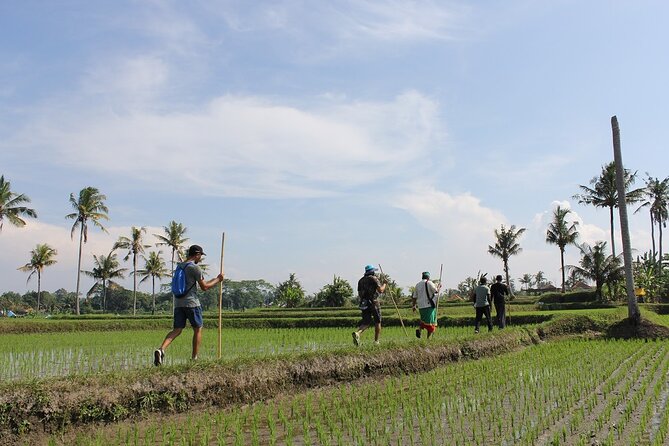
This tour is built for one goal: seeing Bali beyond the beach crowd. You start in the Ubud region, but you’re headed into the island’s lush interior—rice terraces, palms, and misty mountain views in the background. It’s a good match if you feel like you’ve seen temples and don’t want only that again.
The itinerary also nudges you toward practical cultural understanding. You’re not just told what Balinese cooking tastes like—you learn how spices get handled, mixed, and used. That matters because Balinese flavor comes from more than heat. It’s about grinding, layering herbs, and getting the texture right.
And yes, you’re still getting the signature Bali tour comforts: hotel pickup and drop-off and an English-speaking licensed guide. That support can make rural days feel much less complicated.
You can also read our reviews of more tours and experiences in Ubud.



Price and Value: Is $71.80 Worth It?
At $71.80 per person, you’re paying for a few things at once: transportation, a guide, lunch, and a structured cooking experience. This isn’t a DIY day where you rent a scooter and hope you find the right rice terraces.
You also get a solid time block: about 4 to 6 hours total. For many people, that’s the sweet spot in Bali—long enough to feel like you left your hotel area, short enough not to eat the whole day.
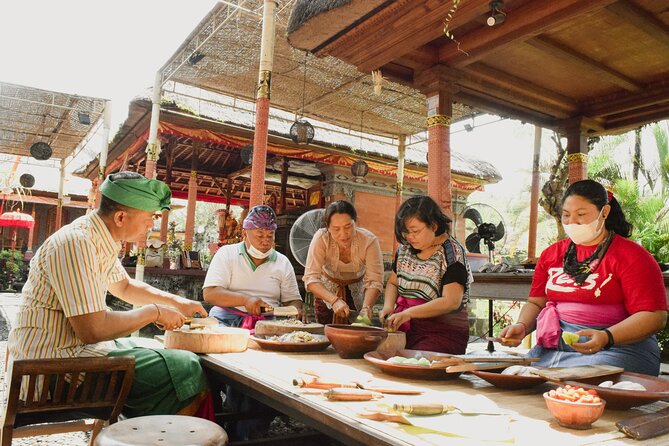
What helps the value is the lunch and the food training. Your meal isn’t an afterthought. You watch (and participate in parts of) how dishes are built, then you sit down and eat what you helped prepare. In other words, you’re paying for an experience that ends with a full plate, not just a short tasting.
Two things to keep in mind:
- The cooking portion is described as a demonstration, meaning you’ll likely do some steps, but much is prepared by the instructors.
- The time includes rural walking, so bring shoes and expect to move.
Pickup Timing: The Early Start That Helps You Avoid Slowdowns
The day begins with hotel pickup between 30 minutes and 1 hour before 9:00 am. Your exact pickup time is confirmed by the operator after booking. That early window is one of those unglamorous details that pays off: you’re out before traffic thickens and before the heat fully ramps up.
This is especially helpful because the driving time to the interior can be unpredictable. Bali roads can swing from calm to chaotic fast. Starting earlier gives you a better chance of reaching the village and kitchen without losing too much time.
One more practical note: the tour ends back at the meeting point and includes the full return transfer to your area hotels. So you’re not left scrambling for transport once you finish lunch.
Gulingan Village and the Rice-Field Routine
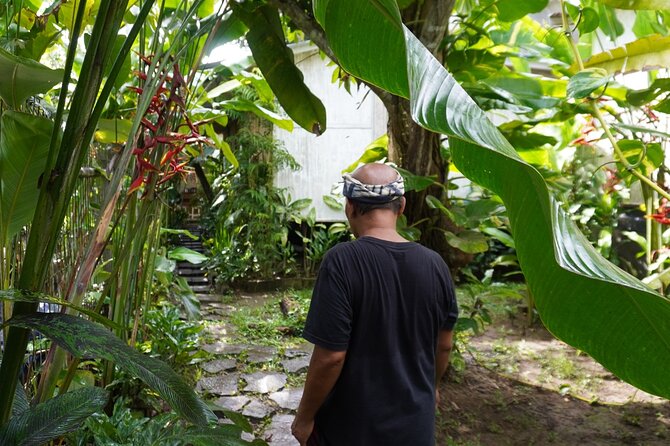
Once you arrive in the countryside area of Gulingan, the day shifts from driving mode to village rhythm. The tour is framed as a chance to see everyday Balinese life away from the typical tourist drag. You’re walking through an area where terraces and plants are the main “set design.”
You may get to experience a mix of traditional rural activities, such as:
- Flying a classic Balinese kite
- Trying gamelan (bamboo instruments used in ceremonial contexts)
- Pond fishing
- Walking through plantations of coffee, vanilla, and cloves
Even if some activities are brief, they add texture. Instead of just standing for photos, you’re doing small things that connect you to the area’s daily practices. That’s the part that tends to make rural tours feel more meaningful.
Also, expect views to be part of the deal: rice terraces, palms, and mountain shapes in the distance. You’re not chasing skyline shots—you’re looking at a working patchwork of fields.
The Kitchen Part: Market-to-Spice-to-Meal
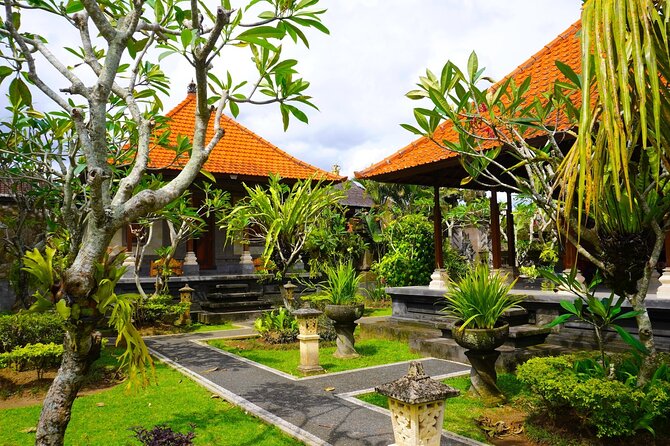
The most important section is the cooking block. This tour doesn’t just drop you into a kitchen with ingredients already laid out. You start with a traditional market-style introduction, where you discover fresh items and local spices. That context helps a lot, because it explains what you’re tasting later and where it comes from.
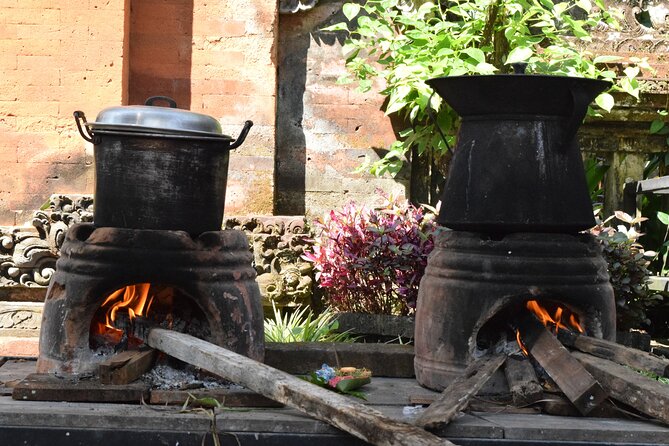
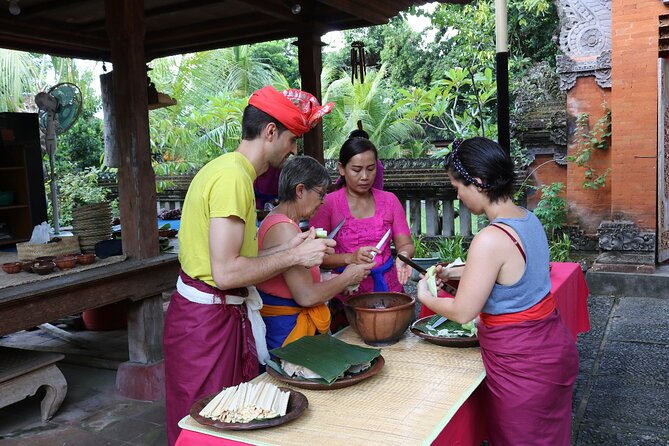
Then comes the cooking demonstration and prep. You’ll see the spice process up close:
- grinding and mixing herbs and spices
- learning how they’re combined for Balinese dishes
The dishes highlighted include Tum, a kind of wrapping dish, yellow rice, and fresh vegetables. That list is your clue that this is not about one dramatic showy dish. It’s about a typical Balinese lunch style—balanced, practical, and built on spice foundations.
About the “hands-on” piece: the tour is more demonstration-led than full-workshop led. Still, you’ll likely participate in certain steps like grinding and mixing. If you’re hoping to plate every element like a pro, set your expectations lower. Think learn-by-doing, with instructors driving most of the method.



Lunch in a Thatched Pavilion: What Makes It Stick
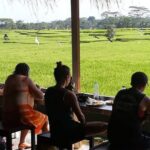
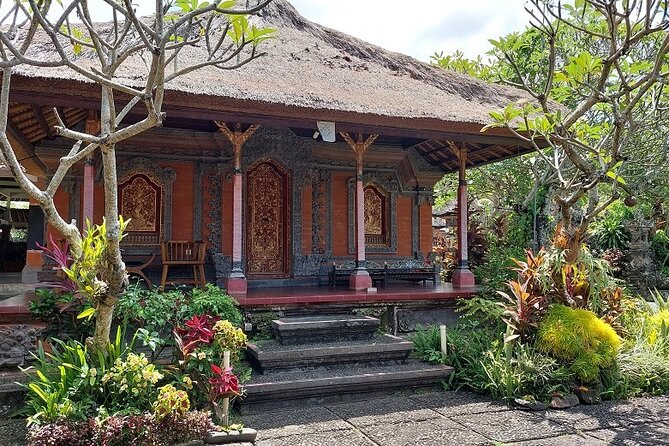
Lunch is served in a thatched pavilion set among the rice fields. It’s one of those details that sounds simple until you’re there: you eat while watching the rural setting rather than staring at a dining room wall.
The practical value here is that the meal is tied to what you just learned. Because you’ve watched the spice workflow, you’re more likely to notice differences in flavor and texture. It’s easier to understand why Balinese dishes taste the way they do, instead of treating lunch like a reward you barely remember.
And since the tour runs about half a day, lunch also functions as a natural “anchor.” You’re not spending hours waiting for food. You move from village activities into market learning into kitchen instruction, then you eat what you prepared, then you head back.
Your Guide Can Make or Break the Day
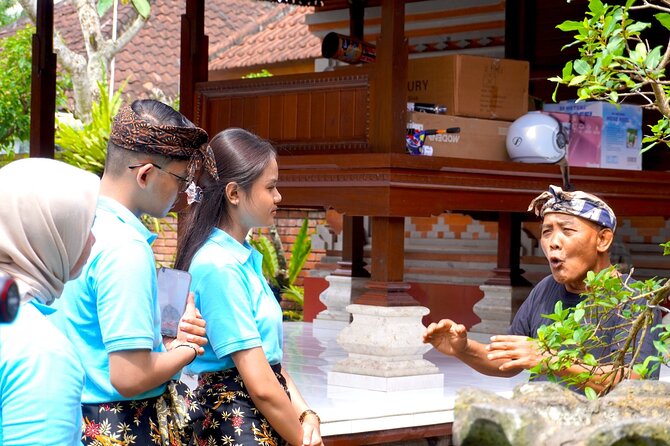
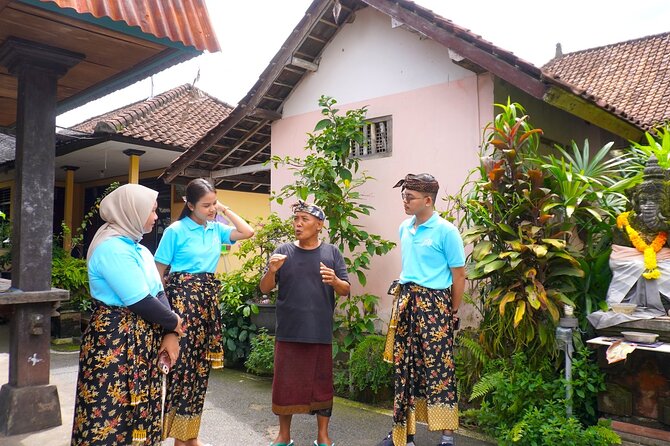
This tour relies on one main ingredient besides spices: the guide. You’ll have an English-speaking licensed guide, and guide quality can range from simply competent to genuinely entertaining and informative.
One guide name that pops up in the provided feedback is Gus. When a guide is singled out by name like that, it usually means he’s doing the job beyond basic logistics—sharing real context and keeping the group moving.
That said, there’s also a caution from the experience data: some guides may add extra stops such as a batik factory, art gallery, or coffee plantation. If you don’t want shopping add-ons, it’s smart to state your boundaries up front. A helpful guide will work with your preferences, not steamroll them.
Also watch the tone if you feel pressure. One account mentions feeling vulnerable due to pushy behavior around booking more tours. If that’s your concern, tell your guide early that you’re not interested in extra bookings.
Walking Shoes, Pace, and Who This Tour Fits Best
This is not a pure sit-and-watch program. There’s walking through rural villages and rice fields, plus movement between activity points. The tour info is explicit about it: bring good walking shoes.
If you’re okay with short-to-moderate walking and you want a rural cultural day, you’ll probably like this. If you struggle with uneven paths, expect the experience to feel slow. You’ll spend time on transitions, not just on the kitchen.
This also fits best if you want:
- a break from beach areas
- a cultural day that includes food learning
- a guided route with pickup and drop-off
It may not be ideal if you mainly want a hands-on cooking class where you do everything from start to finish. The demo format can feel less satisfying for people who expect full chef autonomy.
Planning Tips That Save You Hassle
A few small choices make this day smoother:
- Wear comfortable, grippy shoes for rice paths and village lanes.
- Bring a light layer if mornings feel cool; the early start can surprise you.
- If you want only the core plan, say so early when you meet your guide.
- Keep a little flexibility in your mind about how extra stops might appear, since guide-led variations can happen.
Since this tour is limited in group size terms (up to 99 people), you could end up with a smaller group depending on how bookings come in. One provided account described a very small group, and that often makes the experience feel more personal—more chances to ask questions and more time at the kitchen.
So, Should You Book This Rural Charm Tour?
Book it if you want a half-day in Bali that feels practical and grounded: rice terraces, plantation walks, and a meal tied to real spice technique. The best part is the combination of rural activities plus cooking education that ends with lunch in a rice-field pavilion.
Hold off if you:
- hate any walking through uneven rural ground
- expect a full hands-on cooking workshop where you do everything
- strongly prefer a fixed itinerary with no possible extra stops
If your goal is countryside Bali plus food you can actually understand and recreate later (at least the idea of it), this tour is a good use of time. With the right expectations—and shoes—it’s one of those days that doesn’t feel like it could be anywhere else.
FAQ
How long is the Rural Charm of Bali Tour?
The experience runs about 4 to 6 hours.
What time does the tour start?
Start time is 9:00 am.
When does hotel pickup happen?
Pickup is between 30 minutes and 1 hour before 9:00 am, and the exact time is confirmed after booking.
Where is the meeting point?
It starts at Bali Budaya Cultural Village on Jalan Raya Ir. Utami, Br. Batusepih – Kemenuh, Kemenuh, Sukawati, Gianyar Regency, Bali 80582, Indonesia.
What is included in the tour price?
Lunch, the Balinese cooking demonstration, hotel pickup and drop-off from major hotels in Kuta, Seminyak, Sanur, Jimbaran, and the Nusa Dua area, plus an English-speaking licensed guide.
Do I get to participate in the cooking or is it only a demonstration?
It’s mainly a demonstration, but you can take part in some steps like grinding, mixing, and preparing spices.
What activities are included besides cooking?
You can expect a rural village-style experience that may include flying a Balinese kite, playing gamelan, pond fishing, and walking through coffee, vanilla, and cloves plantations.
Is lunch included?
Yes. Lunch is included, and it’s served after the cooking demonstration.
Is there a cancellation deadline for a full refund?
Yes. You can cancel up to 24 hours in advance for a full refund.
Are there any group size limits?
The minimum is 2 people per booking, and the tour has a maximum of 99 travelers.