REVIEW · CYCLING & E-BIKE TOURS
Half Day Cycling Tour ( Manual Bike )
Book on Viator →Operated by Greenbike Adventure · Bookable on Viator
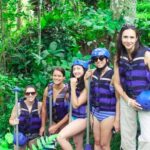
Bike rides don’t get more Bali than this. This half-day manual cycling route from Abuan mixes villages, temples, and rice paddies with a real-feel countryside lunch stop and plenty of photo breaks. I especially liked how the guides keep things practical and calm, with clear safety guidance right at the start.
I also like that you’re not paying extra for the basics: helmets, water, snacks, insurance, and round-trip transfers are built in, and you’re guided the whole time. One thing to consider: it’s a full morning-to-early-afternoon commitment (about 7–8 hours including transfers and stops), and the route can include narrow lanes where traffic and pedestrians share the path.
In This Review
- Key highlights worth your morning
- A Half-Day Ride That Turns Into a Whole Bali Moment
- Price and Value: Why $33 Can Feel Like a Deal Here
- Getting to Abuan: Transfers, Start Time, and the Real Timeline
- How the Riding Actually Feels on Manual Bikes
- Stop-by-Stop: Tegallalang, Abuan House Visits, Taro, Rice Irrigation, and Payangan
- Tegallalang Photo Break and Coffee Stop
- Bayung Gede: Safety Briefing and Start Point in Abuan
- Abuan Village: Balinese House Visit
- Taro Village Experience: Palm Garden Coffee Break
- Bresela: Rice Growth and Irrigation System Views
- Payangan Finish Point: Klusa Payangan Break
- Greenkubu Restaurant and Swing: Lunch Hour
- Food Breaks That Make the Route Worth It
- What to Pack (and What to Skip) for a Smooth Bike Day
- Guides, Group Size, and Safety: How This Tour Stays Manageable
- Who This Tour Fits Best (and Who Might Want Another Option)
- Should You Book This Ubud Manual Cycling Tour?
- FAQ
- What time does the cycling tour start in Ubud?
- Where does the tour begin?
- Is hotel pickup and drop-off included?
- How long is the tour?
- What’s included in the price?
- Are bikes and helmets provided?
- Is lunch included?
- What kind of ride is it for a first-time cyclist?
- What’s the group size?
- Can I cancel and get a refund?
Key highlights worth your morning
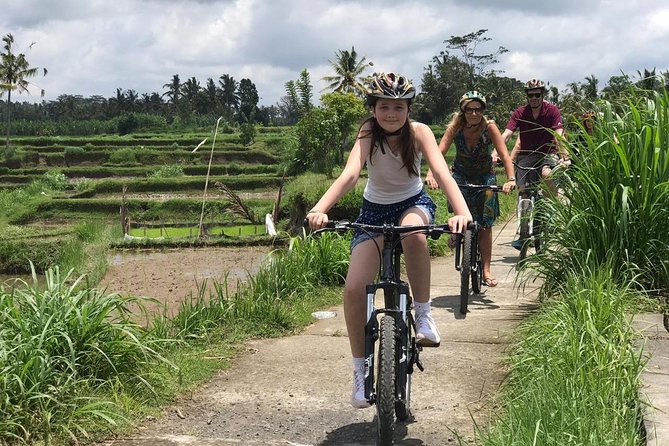
- Mostly downhill riding through Ubud-area countryside, which makes the effort feel lighter than the distance sounds
- Hotel pickup and round-trip transfers included, so you don’t have to wrestle with local logistics
- Included lunch in the rice paddy area plus coffee breaks at scenic stops
- Cultural stops like a Balinese house visit and a village temple along the way
- Helmets, water, snacks, and insurance included for a worry-free ride
- Small group size (max 20) for easier pacing and safer intersections
A Half-Day Ride That Turns Into a Whole Bali Moment
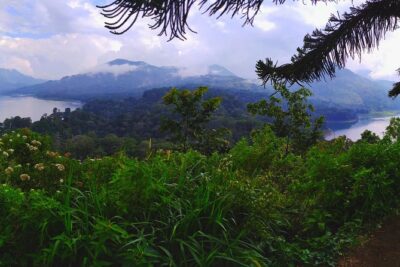
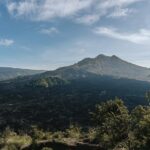
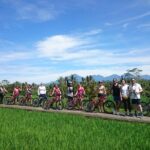
This is the kind of cycling tour that works because it’s not just about the bike. You start in the hills around Abuan (near Kintamani) and roll into quieter village lanes and rice-paddy scenery. You’ll get the slower, lived-in Bali feeling—home life, temple moments, and irrigation views—without needing a scooter license.
What surprised me in a good way is how many chances you have to pause. The route builds in short stops for photos and coffee, so you’re not just pedaling through frames of green. Guides like Ben, Gede, Darma, and Yoga (I’ve seen these names tied to the experience) are also part of the reason this works. They tend to keep the day moving while explaining what you’re looking at.
The ride is described as easy for most people because so much of it is downhill. Still, don’t think this is a slow-motion leisure stroll. Manual bikes mean you’re responsible for basic control—especially braking—when the terrain changes or locals share the path.
You can also read our reviews of more cycling tours in Ubud
Price and Value: Why $33 Can Feel Like a Deal Here
At $33 per person, the best way to judge value is by what you don’t have to add later. You get a helmet, bottled water, snacks, lunch, insurance, and an air-conditioned vehicle for transfers. You also get round-trip transport from your hotel to the start point, which is a huge part of why this price can work.
If you’ve spent time in Bali, you know how quickly “just a day trip” turns into extras. Here, the essentials are handled up front. Even the coffee and short tasting breaks fit the pattern: small stops that make the scenery feel personal instead of rushed.
One more value point: group size. With a maximum of 20 riders, you’re less likely to feel like a number in a long conveyor belt. The day still has a timeline, but it feels guided rather than chaotic.
Getting to Abuan: Transfers, Start Time, and the Real Timeline
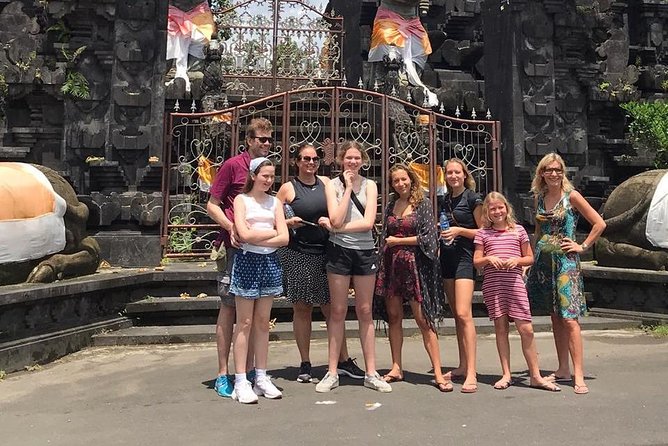
The tour starts at 7:00 am. That early start matters because you’re traveling from Ubud area out toward the hills and rice regions, then cycling back down while still having enough time for cultural stops and two main food moments.
Transfers are included, and the length of pickup-to-start depends on where your hotel is. If you’re staying in Kuta, Seminyak, Legian, Sanur, or Nusa Dua (outside Ubud), it can take about 2 hours to reach the meeting area. So yes, this can be a long day for those locations—plan for it and don’t assume it’s only bike time.
Also note that the day’s total time is listed as 7–8 hours. That includes riding, breaks, and the vehicle segments. When people say it feels easy, the easiest part is the riding; the easiest part of the schedule is not necessarily the day length.
How the Riding Actually Feels on Manual Bikes
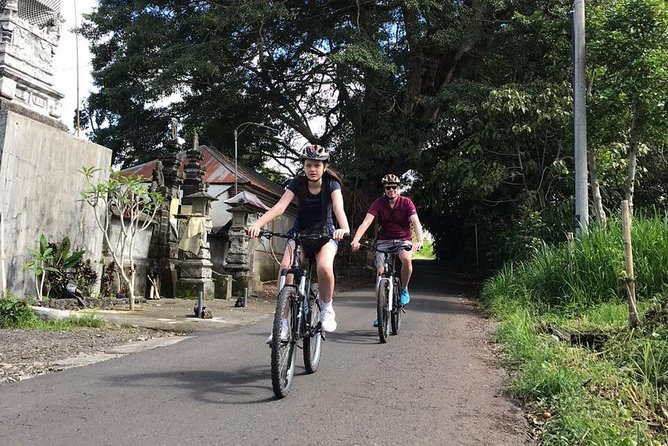
This is a manual bike tour with helmets provided. That means you’ll pedal when needed, but the ride is mostly downhill—people describe it as cruising and low effort. On days with a smooth pace, you may only need occasional pedaling and will use brakes more than anything else.
The practical takeaway: focus on balance and braking comfort, not speed. If you’re very new to riding, you may still manage—many routes are controlled and guided—but you should be ready for moments where the bike path is shared with pedestrians and cyclists.
The route can also be more “local road” than “bike path.” Expect narrow bits where you might pass people on foot and deal with local traffic near junctions. A good guide helps keep those moments under control, but it’s still not the same as riding on a dedicated trail.
And if you’re comparing against other Bali bike tours, double-check the bike type. This experience is manual, and there’s enough variation in the market that it’s smart to confirm what you’re actually getting before you show up.
Stop-by-Stop: Tegallalang, Abuan House Visits, Taro, Rice Irrigation, and Payangan
Here’s what the day looks like on the ground, and what each stop is good for.



Tegallalang Photo Break and Coffee Stop
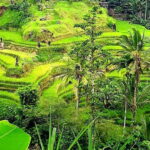
You’ll make a quick stop at Tegallalang for photos and a coffee break. This is short—about 15 minutes—and it’s mostly about grabbing the classic rice-paddy views before the ride starts to settle into the quieter lanes.
If you like photos, this is the moment. If you don’t, treat it as a caffeine reset. Either way, it’s a useful break so you’re not trying to sprint through the morning on an empty tank.
Bayung Gede: Safety Briefing and Start Point in Abuan
Next you reach the start point in Abuan village (Kintamani area). The guide explains safety standards (helmets are on and the bike basics are handled), and you’ll get water. This stop runs about 30 minutes.
This is where I pay attention in my head: how the guide handles intersections, what they tell you about speed, and how they keep the group organized. If you’re slightly nervous about manual bikes, this briefing is the time to listen closely and ask simple questions.
Abuan Village: Balinese House Visit
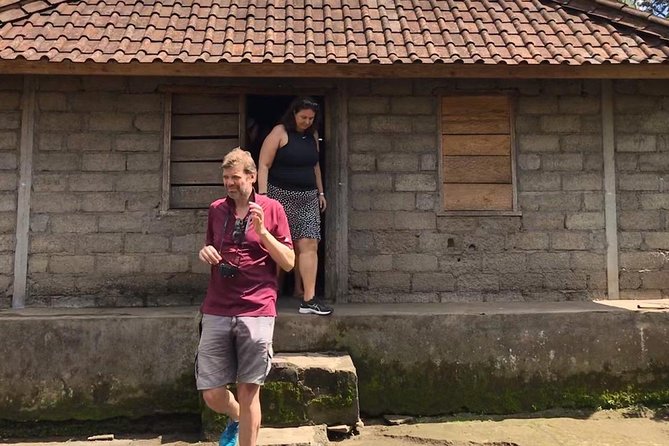
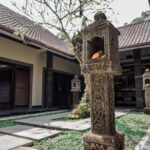
Then you continue to a first cultural visit: a Balinese house. It’s about 45 minutes. This isn’t just a photo opportunity; it’s a peek into daily life and family space, and it helps explain why the rest of the scenery matters beyond aesthetics.
One reason this stop lands well is that it turns “rice field views” into “people and routines.” You’re seeing the background that keeps agriculture and community tied together.
Taro Village Experience: Palm Garden Coffee Break
After that, you’re off to the Taro Village area for a coffee break in a palm-tree garden setting. This stop is about 45 minutes, so you get time to relax, drink something warm, and catch your breath before the later segments.
If you’re hungry or you burn energy quickly, this break is your friend. It’s also a good moment to refuel with snacks and reset your pace.
Bresela: Rice Growth and Irrigation System Views
Next up is Bresela, where you see the rice-growing process and the water irrigation system. This stop is about 30 minutes and it’s one of the more educational parts of the ride because it connects landscape with how it works.
Look for how water is managed and routed. Even without a long lecture, the visual makes Bali agriculture feel less abstract and more engineered and intentional. It’s a great stop if you like practical, how-things-run moments.
Payangan Finish Point: Klusa Payangan Break
You’ll finish around the Klusa Payangan area with about 15 minutes here. This is a quick wind-down so you can catch your bearings, take a final photo, and get ready for lunch.
Don’t rush this moment. Your legs might be a little tired (even if it’s downhill), and the cool-down helps you enjoy lunch instead of arriving stiff and annoyed.
Greenkubu Restaurant and Swing: Lunch Hour
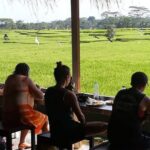
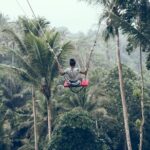
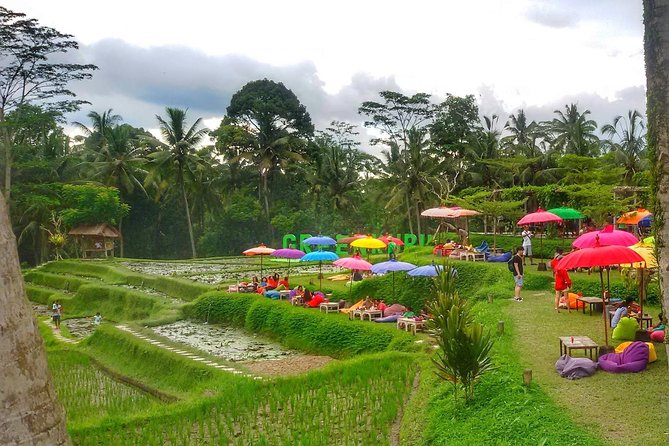
Lunch is served at Greenkubu Restaurant, plus there’s a swing area for photos. This part runs about 1 hour, so it’s not just a quick plate-and-go.
The best strategy is to eat like you’re finishing a bike workout: carbs to replenish, water to rehydrate. And if you want the swing photo, do it after you eat or when your stomach is settled.
Food Breaks That Make the Route Worth It
This tour is built around breaks that actually support the riding, not just “add-ons.” You get lunch (included) at the rice-field setting, and you’ll also have snacks plus bottled water during the day.
People tend to like that the food isn’t an afterthought. Coffee breaks at Tegallalang and Taro add character, and the lunch hour gives you enough time to relax. If you’ve done tours where you finish cycling and immediately sprint to the next activity, this one feels more human-paced.
If it’s raining, plan to slow down and let the day happen. I’ve seen mentions of guides handling rain well, including being prepared for heavy weather. Still, bring your own light rain layer if you want that extra comfort.
What to Pack (and What to Skip) for a Smooth Bike Day
For a manual bike day in Ubud’s countryside, your goal is simple: stay comfortable and stay safe.
Bring:
- Comfortable sandals or shoes you can walk in (you’ll do some stops on foot)
- A light rain jacket or poncho if skies look questionable
- Sunscreen and sunglasses, because rice paddies still reflect light
- A small dry bag or pouch for your phone
Skip overpacking. You won’t need much, and bulky gear is just more weight on your bike day.
Also, hydrate. Bottled water is included, but you’ll still appreciate extra attention to drinking if it’s hot.
Guides, Group Size, and Safety: How This Tour Stays Manageable
A big reason this ride works is the guidance style. Named guides like Ben, Gede, Darma, Yoga, and Wayan Jack show up as attentive leaders in the experience. They typically keep group pacing steady and explain what to watch for, especially early on.
The group cap of 20 is also practical. Smaller groups make it easier to guide intersections and keep everyone together, rather than spreading out across narrow village lanes.
If you’re worried about safety, focus on your own role:
- Keep your speed sensible
- Let the guide set the rhythm
- Brake earlier than you think you need to
- Don’t try to overtake on cramped sections
Who This Tour Fits Best (and Who Might Want Another Option)
This is a strong fit if you want a Ubud-area countryside cycle that mixes culture with rice paddies. It’s especially good if you like downhill riding and scenic breaks, and if you want your day plan built-in (pickup, helmet, lunch, and insurance handled).
It also fits families and older riders, as long as you’re comfortable with manual bikes and can handle the feel of riding on mixed-use paths. People even describe it as suitable for a wide range of ages because of the mostly downhill nature.
I’d think twice if:
- You’re a true first-time bike rider and you’re not confident braking and balancing
- You expect a perfectly car-free trail the whole way
- You have a strict time budget for leaving your hotel early and returning quickly
Should You Book This Ubud Manual Cycling Tour?
If you want countryside views plus actual local moments, I’d book it. The value at $33 is real when you count helmets, insurance, transfers, water, snacks, and lunch. The day structure also makes sense: coffee breaks, a house visit, rice irrigation learning, then a proper lunch hour.
But go in with the right expectations. It’s not an hour-and-a-half bike sprint. It’s a morning start with about 7–8 hours total, and some parts of the route can feel like shared local roads, not a studio-made cycling track. If that matches your style, you’ll likely love how much of Bali you see without cramming your day.
If you want a smooth, low-stress ride, choose this for the downhill rhythm and the organized stops—and make sure you’re on the manual bike option so there’s no surprise.
FAQ
What time does the cycling tour start in Ubud?
It starts at 7:00 am.
Where does the tour begin?
Your start point is in Abuan village (Kintamani area), with the day’s safety briefing and bike setup happening there.
Is hotel pickup and drop-off included?
Yes. Round-trip transfers from your hotel to the start point are included.
How long is the tour?
The duration is listed as about 7 to 8 hours, depending on your hotel location and the pace of stops.
What’s included in the price?
Lunch, bottled water, snacks, helmet, air-conditioned vehicle, and insurance are included.
Are bikes and helmets provided?
Yes. Helmets and bicycles are provided to all participants.
Is lunch included?
Yes. You dine at a café/restaurant (Greenkubu Restaurant) during the ride, and lunch is included.
What kind of ride is it for a first-time cyclist?
Most people can participate, and the ride is described as mostly downhill. Still, because it’s a manual bike and the route can include narrow paths shared with locals, you should only go if you feel comfortable riding and braking.
What’s the group size?
The tour has a maximum of 20 travelers.
Can I cancel and get a refund?
Yes. You can cancel up to 24 hours in advance for a full refund. If you cancel less than 24 hours before the start time, the amount paid is not refunded.