REVIEW · MUSEUMS
ARMA Museum Visit
Book on Viator →Operated by Arma Museum & Resort · Bookable on Viator
ARMA in Ubud mixes art with daily culture. With an advance admission ticket, you can reduce waiting and spend your time with Balinese and Indonesian works, from Batik-style paintings to more modern pieces. It’s also not just a room full of paintings; ARMA runs a program that can include performances, classes, and workshops depending on the day.
I especially like two things about this visit: the self-paced freedom (no group clock) and the included hot drink when you redeem your ticket. At $9.38 per person, it’s one of the easier Ubud museum stops to justify because you’re paying for entry plus a small comfort perk.
The main thing to watch for is time. The visit window can be anywhere from 30 minutes to about 2 hours, so if you’re the type who reads wall labels slowly or wants to catch performances/classes, you’ll need to plan extra time.
In This Review
- Key Things to Know Before You Go
- Why ARMA in Ubud Feels Different from a Typical Museum
- Your Admission Ticket: What You’re Actually Paying For
- How the Self-Paced Experience Works Once You Arrive
- What You’ll See: Permanent Collection Meets Special Exhibitions
- ARMA’s Cultural Program: Performances, Classes, and Workshops
- The Onsite Comfort Factor: Coffee, Restaurant, and a Good Break
- How Long Should You Plan for ARMA?
- Where ARMA Fits into a Day in Ubud
- Price and Logistics: Is It Worth $9.38?
- Should You Book This ARMA Museum Admission?
- FAQ
- Is admission to ARMA Museum included?
- How long does the ARMA visit usually take?
- What’s included with the ticket?
- Can I explore the museum at my own pace?
- Do I need to wait in line when I arrive?
- Where is this experience located?
- Is there a guide involved?
- How many people is the group limited to?
- What are the cancellation rules?
Key Things to Know Before You Go
- Advance ticket for ARMA entry so you can spend more of your day looking at art
- Self-paced visit with no group experience built into the ticket
- Coffee or tea included when you redeem your admission
- A museum plus arts center with exhibitions and cultural programming like performances and classes
- Capped group size (up to 100) which can help keep the vibe from getting too crowded
Why ARMA in Ubud Feels Different from a Typical Museum
In Ubud, it’s easy to end up in a straight-line “see it, move on” sightseeing loop. ARMA Museum of Art breaks that pattern. Yes, you’re there for art—Balinese and Indonesian works that can include traditional Batik paintings and later or more contemporary styles—but ARMA also functions as a wider arts center. That means your visit can feel less like a one-off and more like stepping into a place where art happens.
The museum’s scope is broad in a useful way. ARMA isn’t only about static galleries. The setting can include a permanent collection, special temporary exhibitions, and cultural programming such as theatre performances, dance, music, and painting classes. You’ll also find spaces like a bookshop, library, and reading room, plus workshops and seminars tied to Balinese and Indonesian culture.
For you, that matters because a “standard museum” works best when you want to do exactly one thing: walk through, look, leave. ARMA works better when you’re curious and flexible—when you might spend time on paintings, then wander into a workshop area or check whether a class/performance is scheduled.
You can also read our reviews of more tours and experiences in Ubud.



Your Admission Ticket: What You’re Actually Paying For
Let’s talk value, because $9.38 can either feel like a steal or like a “why bother” depending on how the ticket fits your day. Here, you’re paying for guaranteed admission plus the ability to go at your own pace. That’s the key. If you’ve ever arrived somewhere popular and realized you’re stuck in a line first, you already know why advance tickets are worth it.
This ticket also includes a coffee and/or tea. It’s not a meal, but it’s a real perk in Ubud where a midday break can make the rest of your day feel easier. You can use that hot drink as your “reset,” especially if you’re mixing art with temple stops and traffic time.
Also notice the structure of the experience. The duration is listed as 30 minutes to about 2 hours. That range is practical. If you want a focused art visit, you can do it on the short end. If you want to linger—read more, check exhibits carefully, slow down—it stretches to the longer side without you feeling like you missed your place in a group.
How the Self-Paced Experience Works Once You Arrive
This is the kind of ticket that suits real-world travel. You don’t have to align your day to a fixed group tour timeline. Instead, you enter and explore at your own pace. That’s especially helpful in Ubud because your plans may shift: you might spend longer than expected somewhere else, or you might wake up with a lighter schedule.
A free hot drink is included upon redemption of your ticket, so it helps to plan a quick moment early in your visit to sort that out. Once you’ve redeemed, you can settle into the galleries without the “where do I pick it up?” scramble hanging over you.
You should also know that the activity may be operated by a multilingual guide. Even if you’re exploring on your own, having staff who can explain details in multiple languages can make the art experience smoother—especially when you’re trying to understand styles, themes, or context.
Finally, the listing notes a maximum of 100 travelers. Since this is an entry ticket experience rather than a strict guided walk, that cap can still make a difference on busy days. You’re more likely to find space to look closely at artworks instead of feeling rushed.
What You’ll See: Permanent Collection Meets Special Exhibitions
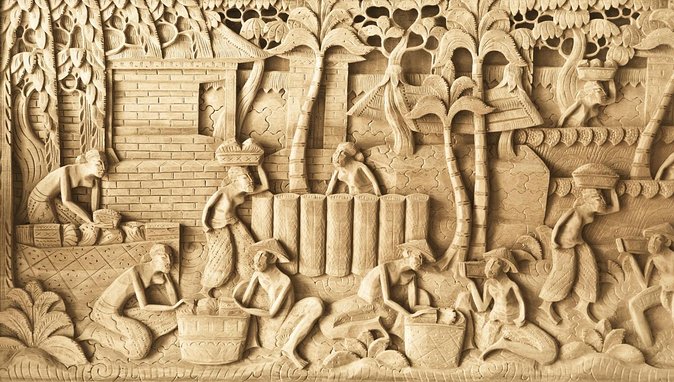
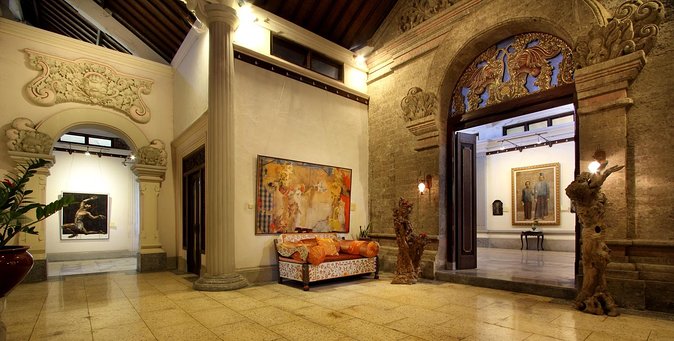
The heart of ARMA is the art collection. The museum covers Balinese and Indonesian culture through works that can range from traditional Batik-style pieces to more modern works. Even if you don’t consider yourself a “serious art person,” you can still enjoy it because ARMA gives you multiple ways in. You can focus on painted works, then broaden out to other exhibition areas or special shows if they’re running during your dates.
A standout here is the mix of permanent collection plus temporary exhibitions. Permanent collections are great for grounding yourself—getting a sense of the museum’s core identity. Temporary exhibitions add surprise. They can change what you think the museum is “about” on a given day, which keeps your visit from feeling like a rerun.
The practical advice: don’t force yourself to see everything. With an experience window that can be as short as 30 minutes, it helps to pick a couple of priorities. For example, you might decide you want to:
- spend longer with Batik-related artworks, and
- then move into the contemporary or special-exhibition areas for variety.
That way, your timing matches your energy.
ARMA’s Cultural Program: Performances, Classes, and Workshops
One of the more interesting angles of ARMA is that it’s not only a gallery. It’s also a hub for cultural activity. The museum can host theatre performances, dance, and music, and it may offer painting classes. Beyond that, there are cultural workshops and seminars, plus conferences and training programs.
In plain terms: if you like a place that feels alive, ARMA has a better chance of delivering that than a museum that’s only open-and-closed. You might arrive ready to view paintings, then realize there’s a class happening or a performance scheduled that adds context to what you’re seeing.
Because the exact schedule isn’t spelled out in the information you have, the best way to use this is simple: when you arrive, check the onsite information and then decide if it’s worth adjusting your route. If there’s something happening soon that matches your interests—music, dance, or a painting class—it can turn your visit from “nice art stop” into “I saw art in motion.”



The Onsite Comfort Factor: Coffee, Restaurant, and a Good Break
The experience includes coffee or tea, and at least one review highlights the museum’s restaurant as part of the overall quality. Even if you’re not planning to do a full sit-down meal, the presence of food and drink options matters in Ubud. It keeps you from burning time searching for a workaround after your museum visit.
This is also where the included hot drink becomes more than a small perk. It can help you set a comfortable pace. If you tend to rush through exhibitions when you’re hungry or tired, that included coffee/tea gives you permission to slow down.
Practical tip: treat the drink as a marker in your timing. After you redeem it, decide what you’ll do next—galleries first, or special areas first—then keep your plan flexible. That keeps the experience calm instead of stressful.
How Long Should You Plan for ARMA?
The duration is listed as 30 minutes to 2 hours, so your planning should match your style.
- If you like short museum visits: aim for the lower end. You’ll be able to see a meaningful set of works without feeling dragged.
- If you love art labels and context: plan closer to two hours, especially if you want time to switch between permanent collection areas and any special exhibitions.
- If you’re hoping to catch performances or classes: build in extra time. ARMA’s program can add value, but it can also stretch your visit as you wait for the right moment.
If you’re pairing ARMA with other Ubud activities, I’d treat it like a “reset stop” rather than a rushed checkbox. Even if you only do 60–90 minutes, you’ll likely come away with a clearer sense of Balinese and Indonesian art styles than if you skim everything.
Where ARMA Fits into a Day in Ubud
ARMA’s location is in Ubud, and one review specifically notes that it’s close to other good things to do. That’s useful because Ubud days often stack up quickly: temples, markets, a coffee stop, then maybe an attraction.
Because ARMA is both a museum and an arts center, it can work in a couple of different roles:
- a morning or afternoon art anchor that steadies your schedule, or
- a cultural stop in the middle of a day when you want a quieter indoor option.
If your day is already packed, the self-paced format helps. You can scale your time up or down without having to follow a group plan.
Price and Logistics: Is It Worth $9.38?
For $9.38 per person, this ticket is mostly paying for three things: admission access, time savings from skipping long waiting, and the included coffee/tea. For many Ubud visitors, the “skip waiting” part is what makes the price feel fair, because waiting time can quietly cost you the best hours of daylight.
There’s also the benefit of flexibility. With self-paced exploration, you’re not paying to sit with a fixed timeline that may not match your pace. That flexibility has value when your day changes.
A quick decision rule:
- If you want a museum stop with cultural depth and a place to pause, it’s a strong yes.
- If you only want a quick look and nothing else, you may feel it’s more than you need—but the included hot drink and guaranteed admission still make it practical.
If you’re visiting when lines tend to build, advance booking becomes even more meaningful. Even when lines aren’t terrible, guaranteed entry keeps your schedule from getting derailed.
Should You Book This ARMA Museum Admission?
I think you should book this if you want an art-focused stop you can control. The combination of advance ticketing, self-paced browsing, and the included coffee/tea makes it easy to fit into an Ubud day without stress.
Book it especially if:
- you don’t like rushing through galleries,
- you’d rather choose your own route than follow a group, and
- you want a museum experience that also has a chance of cultural programming like classes or performances.
Skip it or rethink it if:
- you’re only looking for a very quick “one room, done” visit, or
- you’re short on time and can’t realistically reach the longer end of the visit window when art and programming might pull you in.
Bottom line: at this price, ARMA is a sensible Ubud pick for people who like to look carefully and enjoy culture beyond a single photo moment.
FAQ
Is admission to ARMA Museum included?
Yes. This is an admission ticket to the ARMA Museum in Ubud, with entry guaranteed when you book in advance.
How long does the ARMA visit usually take?
The experience duration is listed as approximately 30 minutes to 2 hours.
What’s included with the ticket?
Your ticket includes coffee and/or tea, provided as part of the redemption of your admission.
Can I explore the museum at my own pace?
Yes. The experience is set up so you can explore independently without having to wait for a group.
Do I need to wait in line when I arrive?
The advance ticket is specifically meant to help you spend less time waiting in line and more time enjoying the museum.
Where is this experience located?
It takes place in Ubud, Indonesia.
Is there a guide involved?
A multilingual guide may operate the experience, depending on how it’s run.
How many people is the group limited to?
The maximum number of travelers is listed as 100.
What are the cancellation rules?
You can cancel for a full refund up to 24 hours before the experience’s start time, based on the local time of the experience.