REVIEW · MONKEY FOREST TOURS
Ubud: Monkey Forest, Rice Terraces & Sacred Temples
Book on Viator →Operated by Discova Southeast Asia · Bookable on Viator
Ubud can feel like a living temple. This full-day circuit strings together Monkey Forest, ancient carvings, bright-green rice terraces, and a hands-on offering moment so you get more than just photos.
What I like most is the way the day stays organized without feeling rushed, especially in a small group (up to 20) with an English-speaking guide and hotel pickup. I also really enjoy the included offering workshop, because you learn the meaning of canang sari in everyday Balinese life instead of just watching from a distance.
One thing to keep in mind: it’s about a 12-hour day with several temple stops, and Monkey Forest means you’ll be close to macaques—fun for many people, but not ideal if you prefer wildlife from far away.
In This Review
- Key things to know before you go
- Getting the day right: pickup, pacing, and small-group comfort
- Goa Gajah (Elephant Cave): a carved entrance with bathing pools
- Ubud Monkey Forest Sanctuary: close-up macaques and mossy stone
- Ubud Palace: traditional design in a calmer setting
- Tegalalang Rice Terraces: bright-green layers you can actually see
- Mengening Temple and the canang sari workshop: making an offering
- Price and value: why $69 feels fair for this route
- Who should book this Ubud day tour
- Should you book this Discova Ubud full-day tour?
- FAQ
- What time does the tour start, and how long is it?
- Does the tour include hotel pickup and drop-off?
- What’s included in the $69 per person price?
- Do I need a physical ticket?
- Is the group size small?
- Which stops are included during the day?
- Is free cancellation available?
Key things to know before you go
- Hotel pickup plus air-conditioned transport: you start with pickup and ride in comfort, with bottled water along the way.
- Entrance fees are covered: so the day doesn’t turn into a surprise at the ticket window.
- Goa Gajah first, before the rest of the route: carved stone, dramatic gateways, and ancient bathing pools set the tone early.
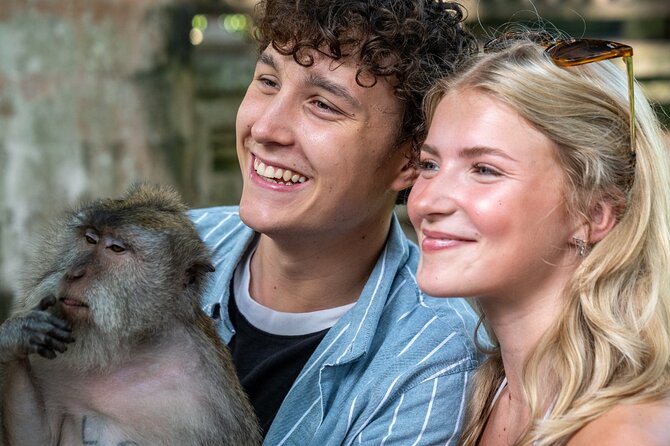
- Monkey Forest is real and close: hundreds of free-roaming macaques live alongside mossy temples and old carvings.
- Tegalalang is the photo-world stop: layered bright-green rice paddies carved into a hillside.
- Hands-on canang sari offering: you practice and learn, then connect it to daily Balinese tradition.
Getting the day right: pickup, pacing, and small-group comfort
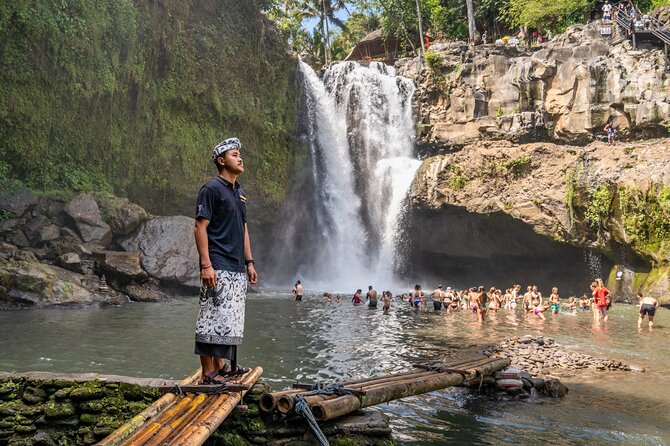
This tour runs from a 9:30 am start and lasts about 12 hours, with a return to your hotel in the late afternoon or early evening. The practical win here is that you’re not coordinating rides between scattered sights on your own.
You’ll ride in an air-conditioned vehicle, and you get bottled water. With a maximum of 20 people, you still get room for questions and a guide who can actually explain what you’re seeing, not just point and move on.
One nice detail: multiple guide-driver pairings on this route are known for staying patient and informative in plain, clear English. Names you could see include Dan with Mariyasa, Ariana with her driver, Laras with Nengah, Gunawan, and Haris with Gus Alit. If you like learning the why behind the sights, this style of guiding is exactly what makes the day feel worth the time.
You can also read our reviews of more tours and experiences in Ubud.


Goa Gajah (Elephant Cave): a carved entrance with bathing pools
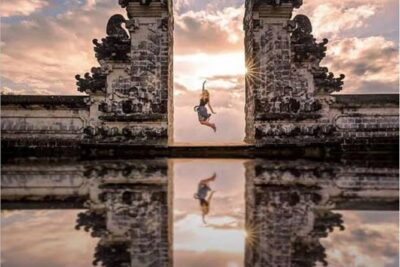
You start at Goa Gajah, also called the Elephant Cave, an archaeological site that’s become one of Ubud’s most intriguing stops. The highlight is the dramatic carved entrance, followed by the surrounding area that includes ancient bathing pools.
This is a good early anchor because it shifts your brain from “scenery hunting” to “context.” Even if you’re not a temple scholar, the stonework and bathing pools give you a sense of how these sacred spaces were designed for ritual and daily use long ago.
A small practical note: you’ll spend about 1.5 hours here, so wear comfortable shoes for walking on uneven ground. Also, plan to take your time at the entrance area, since it’s the kind of place where rushing means you miss the details in the carvings.
Ubud Monkey Forest Sanctuary: close-up macaques and mossy stone
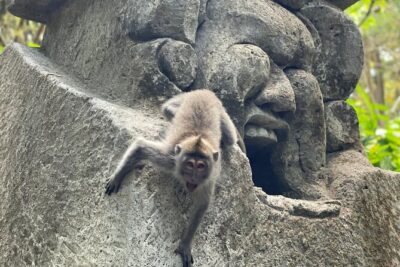
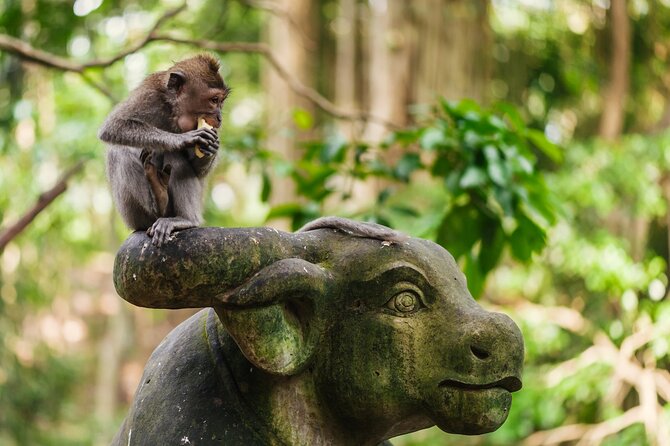
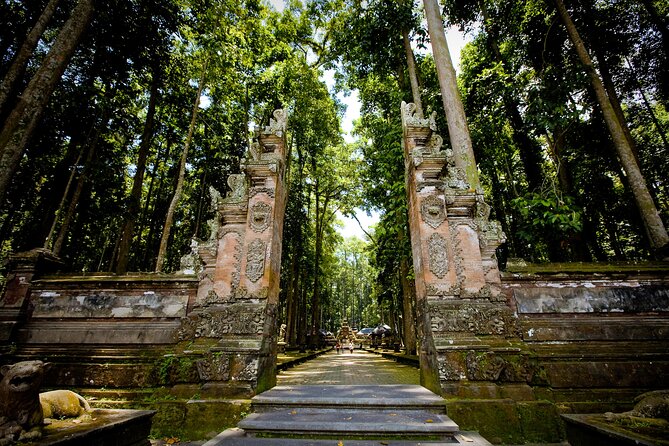
Next comes the Sacred Monkey Forest Sanctuary, a leafy compound with moss-covered temples, ancient stone carvings, and hundreds of free-roaming macaques. This is the stop people talk about because it feels unpredictable in the best way. A macaque might be curious, calm, or suddenly dramatic as it crosses your path.
What you should love here is the setting: it’s not just monkeys in a yard. You’re walking pathways lined with old stone and small sacred structures, and you’re watching animal behavior inside an active cultural landscape.
The drawback is also obvious: if you don’t like wildlife being close, this could feel stressful. The good news is that you’re not dealing with an uncontrolled situation—you’re visiting a managed sanctuary, and your guide can help you stay respectful while you enjoy the spectacle.
If you’re traveling with kids, or you’re the type who likes learning from close contact (carefully), this stop can be one of the most memorable parts of the day. Just keep your focus on safety and respect, not getting the perfect shot at all costs.
Ubud Palace: traditional design in a calmer setting
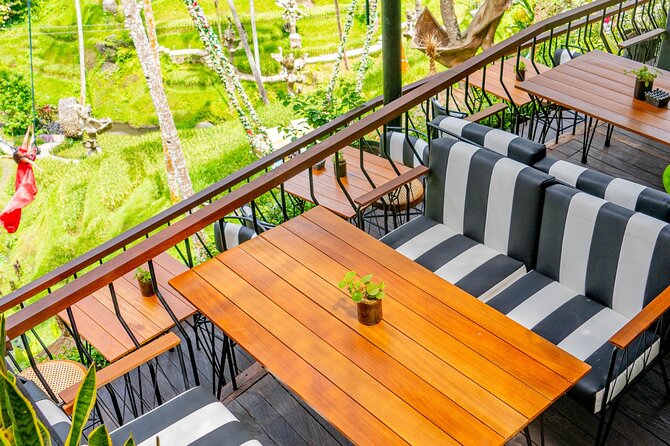
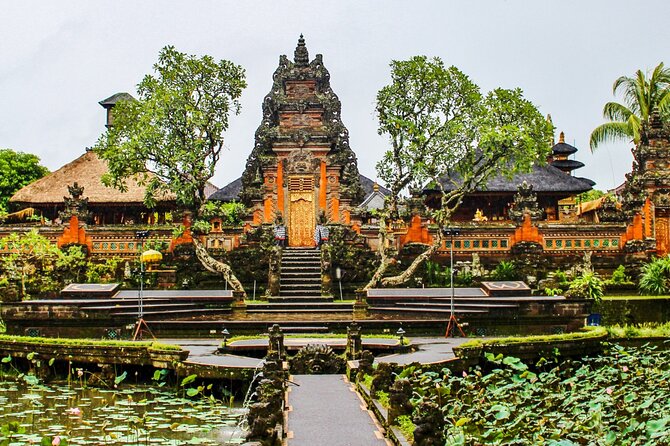
After the forest, you’ll head to the Ubud Royal Palace, one of the village’s recognizable landmarks. Expect time in the courtyard and around the intricate gateway design, where the architecture feels more formal and human-scale than the bigger outdoor temple sites.
This portion is about 1.5 hours. It’s a good pacing break because you’re moving from busy monkey energy to something more still and architectural. You’ll likely spend time simply looking—at the layout, the craftsmanship, and the way the spaces feel built for daily life and ceremony.
If you’re the kind of traveler who enjoys “what does the architecture mean?” this stop pays off. If you mostly want the biggest photo views, it can feel less dramatic than the rice terraces, but it helps round out the day so Ubud feels more complete.
Tegalalang Rice Terraces: bright-green layers you can actually see
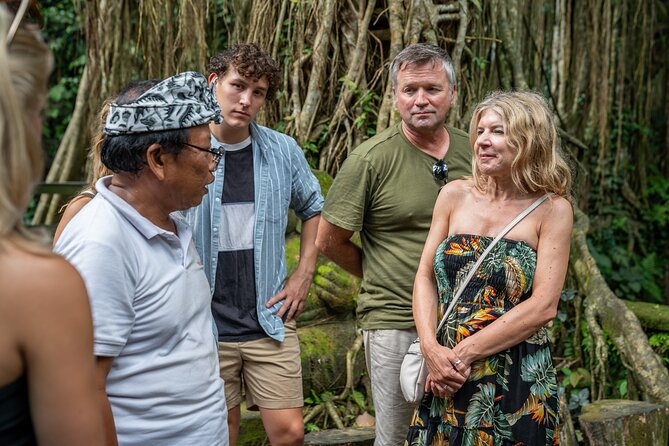
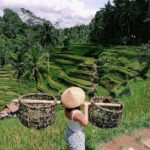
In the early afternoon, you’ll reach Tegalalang Rice Terraces, one of Bali’s most photographed scenes. From the viewpoint, you get sweeping layers of bright-green paddies carved into the hillside.
Here’s why this stop matters beyond pictures: terraces like this are living agriculture, not just a scenic backdrop. Even if you don’t go into detailed farming mechanics, the layered shape tells you how long the landscape has been shaped for growing food in a tropical climate.
You’ll have about 1.5 hours. That’s usually enough time to find a couple viewpoints, take photos, and still keep the day from dragging. If you’re sensitive to heat and want your best photos, I’d treat this as your “settle in and slow down” stop rather than a quick walk-by.

Mengening Temple and the canang sari workshop: making an offering
The day gets more intimate at Mengening Temple, a purification temple in a lush jungle setting. The tour frames it as quieter than Bali’s more famous sites, which is a great shift after Monkey Forest and Palace time.
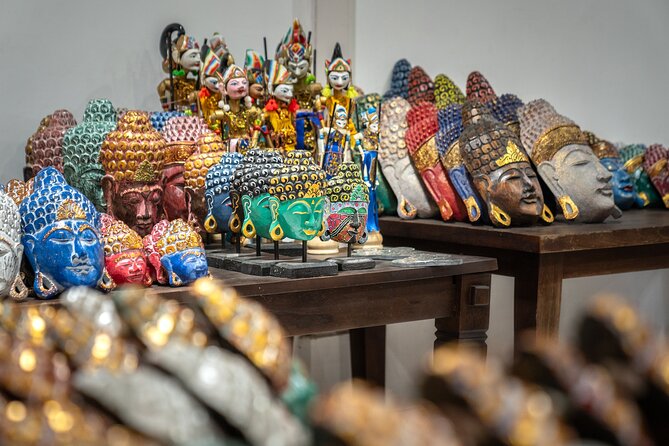
What makes this stop special is the included hands-on experience with canang sari. You’ll learn the meaning of canang sari in daily Balinese life and then practice making an offering as part of the workshop. This is the kind of activity that turns a sight into a memory—because you’re doing something small and meaningful, not just watching.
You’ll spend about 2 hours here, which is exactly the amount of time that makes a workshop feel unhurried. It’s also a nice mental reset: the earlier part of the day is busy and visual, and this part is reflective and hands-on.
Practical tip: if you’re the type who gets anxious doing activities in front of people, don’t worry. A guided offering workshop is designed for participation, and the whole point is to help you understand what you’re creating and why.
Price and value: why $69 feels fair for this route
At $69 per person, this tour is priced like a “real day out” rather than a quick highlights loop. You’re paying for a full-day structure: hotel pickup and drop-off, an English-speaking guide, air-conditioned transport, bottled water, and entrance fees included.
Where the value really shows is in the offering workshop. Many day tours give you a stop, a photo, and a shrug. Here, you get time to make a canang sari offering and learn what it means in daily Balinese life, which turns the cost into something you can actually feel.
Also, the group limit of 20 keeps it from turning into an assembly line. You can ask questions when something doesn’t make sense, and the guide can pace the experience to the group.
Not included is what you’d expect: personal expenses and optional gratuities. If you already plan to visit multiple temples and you want more than a photo tour, the all-in feel matters.
Who should book this Ubud day tour
I think this tour fits best if you want a mix of wildlife, temples, and everyday Balinese practice in one day. It’s a strong pick for first-time visitors to Ubud who want structure, not decision fatigue.
You’ll also probably enjoy it if you like guides who explain patiently and stay organized. Names like Dan, Lara(s), Ariana, Gunawan, and Haris come up often in connection with clear English explanations, thoughtful pacing, and a driver who stays steady behind the wheel.
Skip it if you’re not comfortable around macaques or you know you hate long days with multiple stops. This is not a slow, single-sight experience. It’s a full itinerary, and it rewards travelers who are okay staying flexible from morning into the evening.
Should you book this Discova Ubud full-day tour?
If you want Ubud’s big hits without planning stress, I’d book it. The combination of Monkey Forest, Goa Gajah, Ubud Palace, Tegalalang rice terraces, and Mengening Temple plus the included canang sari workshop gives you variety that doesn’t feel random.
Especially consider it if you care about the meaning of what you’re seeing. The offering workshop is the part that turns the day from sightseeing into understanding.
If you’re sensitive to a close wildlife encounter, then decide based on how you feel about macaques. Otherwise, this is the kind of day trip that’s worth the time because it gives you both views and context.
FAQ
What time does the tour start, and how long is it?
The tour starts at 9:30 am and runs for about 12 hours.
Does the tour include hotel pickup and drop-off?
Yes. Hotel pickup and drop-off are included.
What’s included in the $69 per person price?
Entrance fees, an air-conditioned vehicle, an English-speaking tour guide, bottled water, and an offering workshop are included.
Do I need a physical ticket?
The tour uses a mobile ticket.
Is the group size small?
Yes. The tour has a maximum of 20 travelers.
Which stops are included during the day?
You’ll visit Goa Gajah, the Sacred Monkey Forest Sanctuary, Ubud Palace, Tegalalang Rice Terraces, and Mengening Temple.
Is free cancellation available?
Yes. You can cancel for a full refund up to 24 hours before the experience’s start time.