
REVIEW · TOUR REVIEWS
Ubud Arts & Crafts Tour
Book on Viator →Operated by Tour East Indonesia · Bookable on Viator
Craftspeople at work beat museum photos. This 4-hour Ubud arts and crafts tour takes you beyond the beaches to Celuk and Mas, then finishes in Ubud’s art world. You get to see how silver and gold jewelry is made, and how traditional woodcarving styles take shape.
I love the hands-on craft focus. In Celuk, you’ll watch silversmiths and goldsmiths work in workshops and galleries, and your guide explains what goes into detailed pieces like rings and brooches. In Mas, you’ll see woodcarvers working in a style known for naturalistic forms and myth-inspired characters, including masks tied to ritual and dance.
One possible drawback: the tour includes stops in higher-end shops and galleries in Ubud. If you’re buying souvenirs, be ready to compare prices rather than assume the first shop is the best deal.
In This Review
- Key highlights to notice
- Why This Ubud Crafts Circuit Fits Perfectly Into a Short Day
- Price and Logistics: Pickup Areas, Group Size, and How the Timing Feels
- Celuk Village: Watching Gold and Silver Jewelry Become Real
- Mas Carving Center: Hand-Made Wood Art and Balinese Mask Clues
- Ubud Art Market and Galleries: From Traditional Scenes to Contemporary Paintings
- Hotel Pickup, Mobile Tickets, and What Makes This Tour Feel Easy
- What You’ll Learn (Without Turning It Into Homework)
- Value Check: Is $50 a Good Deal for This Ubud Craft Tour?
- Who Should Book This Tour (and Who Might Skip It)
- Should You Book the Ubud Arts & Crafts Tour?
- FAQ
- How long is the Ubud Arts & Crafts Tour?
- How much does the tour cost?
- Is hotel pickup and drop-off included?
- Where does the tour go during the 4 hours?
- Are admission tickets included?
- Are food and drinks included?
- What is the cancellation policy?
Key highlights to notice
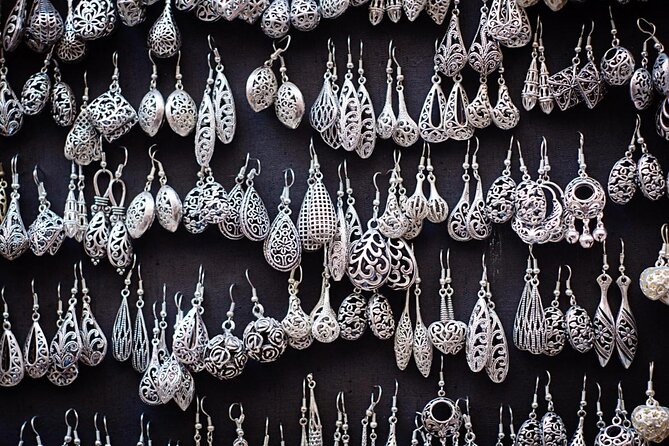
- Celuk Village metalwork: see silver and gold jewelry created in local workshops
- Mas woodcarving: watch hand-chiseling and spot styles linked to Hindu mythology and dance masks
- Ubud Art Market galleries: traditional and contemporary paintings, plus local and European artist presence
- Hotel pickup and drop-off: convenient if you’re staying in major resort areas
- Small group: capped at 15 travelers, which usually makes the guide’s attention more useful
- Admission included at stops: you’re not constantly paying extra at each stop
Why This Ubud Crafts Circuit Fits Perfectly Into a Short Day
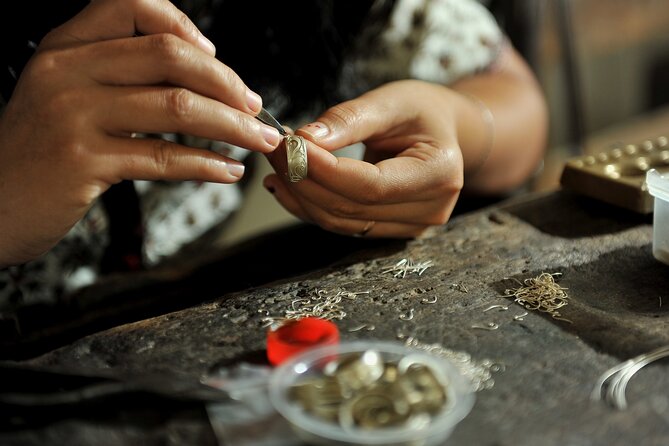
This tour works because it’s built like a focused sampler. In just about four hours, you cover three different craft worlds: jewelry in Celuk, woodcarving in Mas, and art browsing in central Ubud. If you’re on a tight schedule, you get a clear feel for what Balinese “making” looks like, and why these pieces cost what they do.
What also helps: you’re not just looking. You’re watching people at work and learning the basics of how the work is organized. That turns shopping from random browsing into something more satisfying. Instead of guessing, you start noticing tools, patterns, and craftsmanship choices.
Finally, it’s priced to be realistic for a half-day. At $50 per person with pickup and admission included, it’s not trying to sell you a luxury day. It’s more like paying for time, transport, and interpretation so you can get your bearings fast in Bali’s art scene.
You can also read our reviews of more tours and experiences in Ubud.



Price and Logistics: Pickup Areas, Group Size, and How the Timing Feels
The tour costs $50 per person and runs about 4 hours total. It’s booked fairly close to travel dates, often around 6 days in advance, so if you want specific pickup timing, don’t wait until the last minute.
Pickup and drop-off are included from major hotel areas such as Kuta, Seminyak, Sanur, Jimbaran, and the Nusa Dua zone. That matters because Ubud can be a traffic puzzle. A scheduled coach saves you time and helps you avoid the stress of arranging transport for a short craft morning.
Group size is capped at 15 travelers, and that usually means you’ll get more of a real conversation with the guide than you’d get on a giant bus tour. You may still be in a group format, but it feels less like cattle and more like a guided outing.
One more practical point: food and drinks are not included. This tour is short enough that you can eat before you go or plan something afterward. If you get hungry mid-tour, you’ll likely be relying on snacks you bring yourself or meals you line up after you’re back.
Celuk Village: Watching Gold and Silver Jewelry Become Real
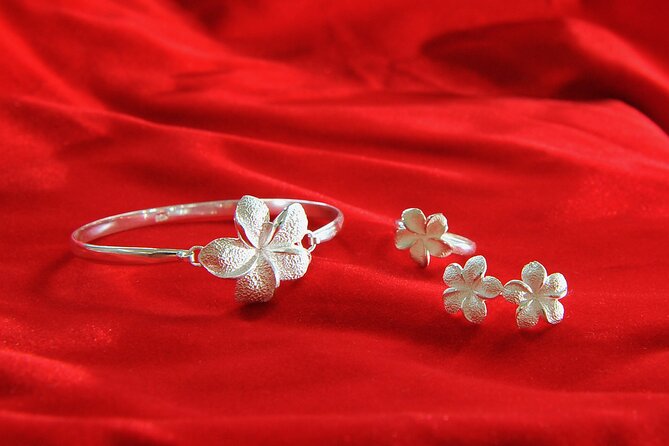
Celuk is famous for metalwork, and this stop is the reason many people book the tour. You’ll spend about one hour here, moving through workshops and galleries where artisans design and create silver and gold jewelry.
The most useful part is that you’re not seeing finished products only. You’re observing the process. The guide walks you through what goes into making intricate rings and brooches, and you’ll hear about how jewelry-making families live and work in the area. That context matters because Balinese craft isn’t just a hobby. It’s often a system—learned at home, practiced in workshops, and refined over time.
Here’s what to watch for while you’re there:
- Notice how designs get planned before the metalwork starts. Details like edging and ornamental placement are easier to spot once you’ve seen the work flow.
- Pay attention to how different pieces look under the same light. Quality often shows up in consistency—clean edges and even finishing.
- Ask questions about materials and processes. Even if you don’t buy, understanding the steps helps you judge value later.
A heads-up if you’re budget-minded: this tour includes gallery-style shopping, and that often means you’ll see higher-priced displays. One way to handle this is simple: decide what you really want (a small piece vs. a major purchase) before you enter the most polished shop floors. Then compare if you’re able.
Mas Carving Center: Hand-Made Wood Art and Balinese Mask Clues
After Celuk, you head to Mas Village, where woodcarving is the main event. Expect about one hour here as well, with a focus on carving style and the kind of subject matter the craftsmen are known for.
Mas carving stands out for two reasons. First, the designs are often described as naturalistic, with forms that look like they belong in real life. Second, you’ll see characters and themes tied to Hindu mythology. So even when the wood looks “decorative,” there’s usually a story layer to the shapes and figures.
You’ll also meet or watch local woodcarvers who still work by hand—things like chiseling and shaping are part of the experience. That’s the difference between seeing art and understanding craft. When you watch someone carve, you start to realize why small changes in detail can take extra work time.
Masks are one of the most interesting items to look for. Balinese masks aren’t just costumes; they connect to performances and ritual ceremonies. When you see mask designs in person, you start noticing the expression and carving technique that helps the mask read correctly in motion and ceremony.
If you’re buying a carving, keep your expectations practical:
- Look closely at fine lines and edges, because that’s where hand work shows up most.
- Ask about what wood the piece uses if the shop provides that info.
- If you’re not sure about authenticity or quality, you’ll still get value from learning how the style is described and recognized.
Ubud Art Market and Galleries: From Traditional Scenes to Contemporary Paintings
The final stop is Ubud’s art-focused shopping zone, often described as an art market area with workshops and galleries. This segment also lasts around one hour, and it’s where the tone shifts from craft production to art presentation.
Ubud is the place where you’ll see both traditional and contemporary work. You’ll find paintings tied to older Balinese themes, and you’ll also see pieces by artists working in more modern ways. The guide helps you understand what makes Balinese art distinctive, not just what it looks like.
One practical benefit of visiting here at the end: by the time you reach Ubud, you’ve already seen how artisans work with their hands. That means you’re better equipped to browse art with questions in mind:
- Is this work clearly made by an artisan, or is it a mass-produced souvenir?
- What details suggest careful work and time spent?
- Does the piece feel connected to local style, or is it more generic?
You should also know what you’re likely to find at galleries and shops: items in different price ranges, and lots of framed art. The higher-end stores can be tempting, but if you’re trying to get the best deal, comparison is your friend.
A caution you’ll want to take seriously: the tour takes you to top-end stores in Ubud. If you’re shopping for silver or similar souvenirs, you may find better deals in areas like Legian/Kuta for comparable items. That doesn’t mean Ubud is overpriced—it just means your budget may stretch further if you check prices outside the most premium galleries.




Hotel Pickup, Mobile Tickets, and What Makes This Tour Feel Easy
This tour includes hotel pickup and drop-off, which is the easiest kind of travel convenience. You show up, get transferred by coach, and you’re brought back to your starting area when the craft loop is done.
You’ll also receive a mobile ticket, which is helpful if you don’t want to carry printed documents. For a short tour, fewer steps usually means less stress.
One more detail that improves the experience: the group limit of 15 travelers keeps the logistics from feeling chaotic. You can pay attention at each stop, ask questions, and still keep a normal pace instead of rushing through a crowded market.
If you want the day to go smoothly, plan your clothes and timing for walking in and out of shops and workshops. It’s not described as a long trek tour. It’s more about short stopovers, viewing, and guided explanations.
What You’ll Learn (Without Turning It Into Homework)
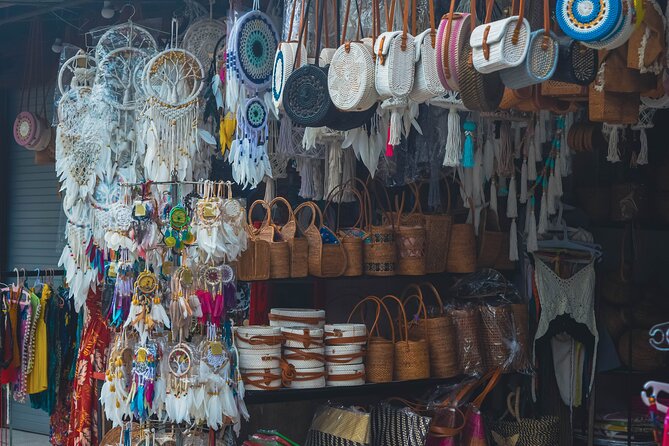
A good arts and crafts tour teaches you what to look for. This one does that through the way each stop is presented.
In Celuk, you learn about the jewelry-making process and why designs can be intricate even on seemingly small pieces. In Mas, you learn about woodcarving styles and the connection between myth-inspired forms and masks used in ceremony or performance. Then in Ubud, the guide connects that craft foundation to the art you see framed on walls—traditional and contemporary paintings alike.
The result is that you leave with a better eye. You don’t need to be an expert. You just need a few mental hooks: metals vs. wood, production vs. presentation, and traditional themes vs. modern artistic interpretations.
That’s also why the tour is a good “start” if you’re new to Bali. It gives you a snapshot of the art economy and the craft culture in a way that can make future browsing feel less like guesswork.
Value Check: Is $50 a Good Deal for This Ubud Craft Tour?

At $50 per person, the value depends on what you want from the day.
You’re paying for:
- Pickup and drop-off from major hotel areas
- Coach transport so you don’t worry about timing and roads
- Guided interpretation at three locations
- Admission included at each craft stop (Celuk, Mas, and Ubud)
- A small group size capped at 15 travelers
If you were trying to do this on your own, you’d likely spend money on transport between areas plus a bigger time gap while you figure out where to go. This tour compresses the planning into one morning and adds a guide so you’re not just visiting shops.
If you’re only hoping to window-shop with no interest in understanding process, you might feel the time is better spent wandering Ubud independently. But if you want a guided “starter kit” for Balinese crafts, the pricing feels fair.
Also consider what you buy. If you end up purchasing jewelry or a carving, the tour becomes more than a visit—it becomes research time that helps you judge quality and set a budget. If you don’t buy, you still gain a clearer sense of the craft scene.
Who Should Book This Tour (and Who Might Skip It)
This is a great match if:
- You want a short, structured arts experience without planning a route.
- You like seeing artisans at work more than just browsing finished goods.
- You’re curious about Balinese craft styles, especially metalwork and woodcarving.
It might be less ideal if:
- You hate shopping environments, even when they’re tied to craft demonstrations.
- You’re strictly looking for beach time and don’t want a morning built around galleries.
- You want long, free-form time in Ubud. This tour gives you about an hour at the art market area, so you may still want to return later on your own.
If you’re the type who ends up wanting more time in Ubud once you understand the scene, this tour can still be worth it. It gives you a strong orientation and helps you decide what to explore next.
Should You Book the Ubud Arts & Crafts Tour?
Book it if you want a practical, guided introduction to Balinese crafts in Celuk, Mas, and Ubud without dealing with transport headaches. The small group, pickup included, and admission handled make it easy to justify for a half-day.
Skip it or adjust expectations if you’re mostly hunting for the cheapest souvenirs. Because the tour includes higher-end shopping and gallery stops, you should treat it as a guided craft experience first—and a buying opportunity second. If you do want to purchase, compare prices afterward (especially for items like silver) to make sure you feel good about what you paid.
If you’re on your first trip to Bali, this is the kind of tour that helps you see Ubud with better eyes afterward.
FAQ
How long is the Ubud Arts & Crafts Tour?
It lasts about 4 hours.
How much does the tour cost?
The price is $50.00 per person.
Is hotel pickup and drop-off included?
Yes. Pickup and drop-off are included from major hotels in areas such as Kuta, Seminyak, Sanur, Jimbaran, and the Nusa Dua area.
Where does the tour go during the 4 hours?
You visit Celuk Village, the Mas Carving Center, and Ubud Art Market.
Are admission tickets included?
Yes. Admission ticket is included for each stop.
Are food and drinks included?
No. Food and drinks are not included.
What is the cancellation policy?
You can cancel for a full refund up to 24 hours before the experience starts. Free cancellation is available if you cancel at least 24 hours in advance.