REVIEW · TOUR REVIEWS
The Lost Art of Being Human
Book on Viator →Operated by Breathing Cold · Bookable on Viator
Cold water and calm breathing in Ubud.
This private session with Alex mixes yoga, breathwork, and ice bath practice, plus meditation and Wim Hof style methods, all designed to help you handle stress with more control.
What I like most is the hands-on feel. Alex (and sometimes Tom in related training) is described as creating a safe, supportive space with real attention to how people process difficult sensations, including trauma sensitivity and integration.
The other big win is the structure: you don’t jump straight into suffering. Cold exposure ramps up from playing with extremities to a full ice bath, paired with breathing guidance that’s meant to change your stress response. One possible drawback: this is physically demanding and cold-intense, so you need strong physical fitness and the mental readiness to feel uncomfortable on purpose.
In This Review
- Key things to know before you go
- Lost Art of Being Human: what this Ubud session is really about
- Price and what you’re paying for at $26
- Your private tutor, Alex: why it changes the whole experience
- The flow of the session: meditation, yoga, breathing, then cold
- 1) Start with presence and intention
- 2) Yoga as a warm-up for the nervous system
- 3) Breathwork and pranayama with Wim Hof techniques
- 4) Cold exposure: extremities first, then the ice bath
- 5) Integration and practical takeaways
- The ice bath piece: what to expect and how to handle it
- Lunch and recovery: why food shows up in a cold-and-breath session
- Where you start in Ubud: Neka Art Museum area
- Who should book this, and who should think twice
- How to prepare so it feels safer and more effective
- After the session: building a morning routine that actually sticks
- Should you book this Ubud ice-bath breathwork session?
- FAQ
- How long is the Lost Art of Being Human session in Ubud?
- Is this a private tour or group activity?
- What’s included with the full-day package?
- What techniques will I practice during the session?
- Where do we meet, and where does it end?
- How fit do I need to be?
- Can I bring a service animal?
- What is the cancellation policy?
Key things to know before you go
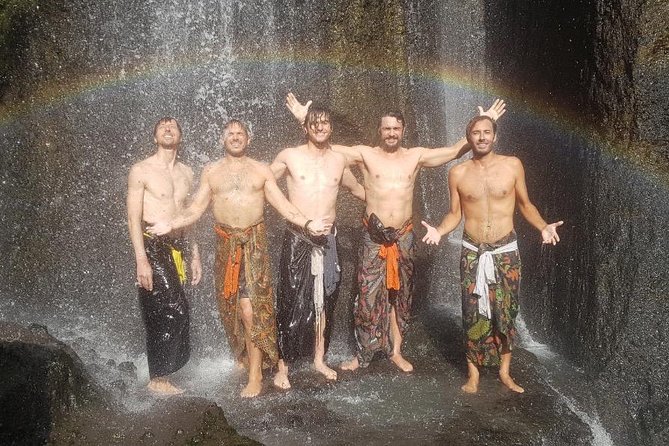
- Private coaching with Alex: Expect close, personalized tuition rather than a generic class.
- Limitless-style training elements: Meditation, intention, breathing, and pranayama techniques are part of the approach.
- Cold progression: You start with cold exposure to extremities and work toward a full ice bath.
- Breathwork for stress control: The focus is using breath to shift how your body reacts under pressure.
- Included basics for recovery: A mat is provided, and the full-day package includes a nutritious lunch and the ice bath.
Lost Art of Being Human: what this Ubud session is really about
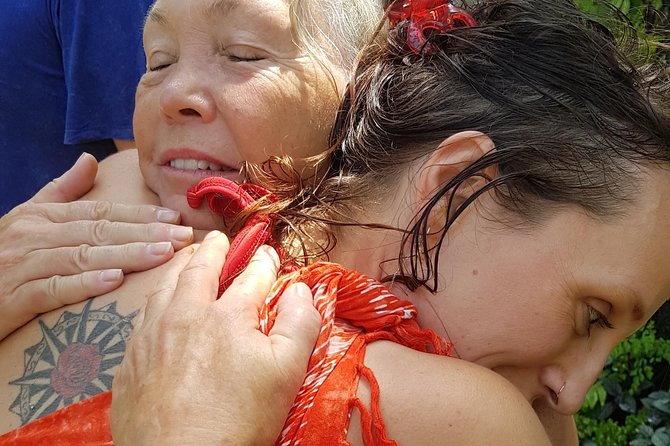
In Ubud, you can find plenty of yoga classes. This one is different because it treats the body like a feedback system. You’re doing movement, breath control, and then cold exposure—tied together with meditation and intention-setting—so the skills are not just “nice ideas.”
The goal sounds simple: face discomfort without spiraling. The training language points toward better mood, better energy, and more control over stress responses. And the practical promise is also simple: breathe better, learn how to manage your immune response claims carefully, and build routines that may help you sleep and feel steadier.
If you’re doing this for a quick adrenaline hit, you may miss the point. This is closer to training your nervous system. The cold is the stress test; the breathwork and meditation are the tools.
You can also read our reviews of more tours and experiences in Ubud.

Price and what you’re paying for at $26
The price listed is $26, with an approximate duration of 4 hours and a mobile ticket. For that cost, the best value angle is that you’re paying for intensive private tuition, not just access to a workout room.
Also, the package description says the experience includes a mat, an ice bath, and a nutritious lunch as part of the full-day package. That matters because equipment and setup can quietly add up in Ubud. Here, you’re supposed to show up, follow the sequence, and leave with techniques you can practice later.
One detail to sanity-check before you commit: the description calls it a full-day therapeutic package, but the listed duration is about 4 hours. The safe way to handle this is to verify exactly what your booked option includes in terms of lunch timing and length. You want to feel like you’re getting your money’s worth, not rushing through something that’s meant to be gradual.
Your private tutor, Alex: why it changes the whole experience
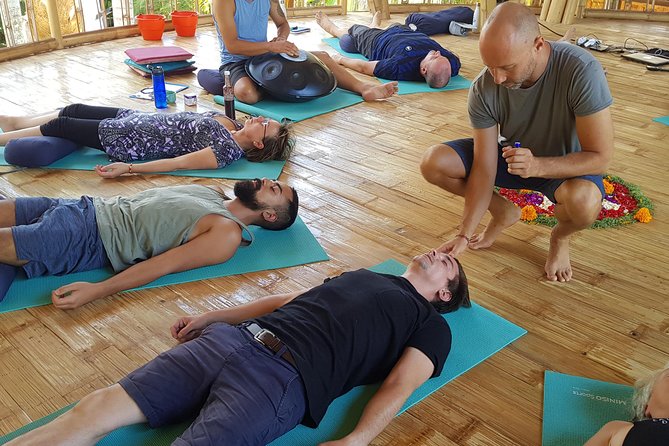
The private format is the backbone of this activity. With only your group, the coach can adjust the pace and the breathing cues based on how you react in the moment. That’s a big deal with breathwork and cold, where one person’s calm is another person’s panic.
In the way Alex is described, the emphasis is on emotional safety and bodily listening. People highlight a supportive environment and attention to how sensations can land in the mind. That doesn’t mean it’s therapy. It means the coaching tone matters when you’re asking your body to tolerate intense sensations.
Alex’s teaching approach also appears to blend technique with practical guidance. That’s why you’ll likely get tips you can reuse—especially for breathing patterns and a morning routine designed to carry the benefits beyond the session.
If you’ve only done breathwork in a group, you may find private coaching feels more grounded. Less guesswork. More “here’s what to do next, based on you.”
The flow of the session: meditation, yoga, breathing, then cold
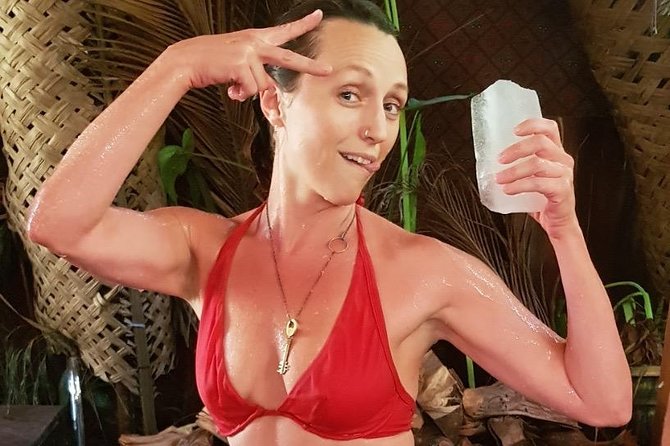
Even without a written minute-by-minute schedule in the info, the sequence is clear: meditation and mind prep first, then yoga and breathwork, then cold exposure, ending with integration and recovery.
1) Start with presence and intention
The training includes meditation and an approach described as a Limitless program style (with elements like projection and intention, plus breathing work and pranayama). This is basically mental setup.
In plain terms: before you control your breath and face cold, you’re asked to notice what’s happening inside you. That “watching” skill is what makes the breathing and cold feel less like random discomfort and more like a process you can manage.

2) Yoga as a warm-up for the nervous system
Yoga here isn’t just stretching. It’s presented as part of how you challenge your body and transform stress responses. So the goal is to prepare muscles and also to build a calmer baseline.
For many people, the easiest way to fail at breathwork and cold is to arrive too tight, too rushed, or too guarded. The yoga portion is meant to reduce that. You’re not trying to be flexible in an aesthetic way. You’re preparing for controlled discomfort later.
3) Breathwork and pranayama with Wim Hof techniques
This experience explicitly includes breathwork and Wim Hof style techniques. That usually means structured breathing patterns that change how you feel—fast.
Here’s the value: breathwork isn’t only about feeling calm during the session. The training aims to give you practical control over stress responses. It also claims you can use breath to change biochemistry and help manage things like mood and sleep.
Just remember: cold and breath can feel intense, especially if you have anxiety around bodily sensations. Going private helps because the coach can guide pacing and help you dial in the approach.
4) Cold exposure: extremities first, then the ice bath
The information describes a progression. You expose the cold gradually—starting with extremities—then you move toward a full ice bath.
That ramp-up is smart. It helps your body learn what to expect rather than being blindsided. You’ll likely get coached on how to breathe and stay present while your body does the uncomfortable thing it’s built to do: resist.
If you’re nervous about the ice bath, this progression is one reason to consider this exact format. It doesn’t pretend cold is easy. It teaches you to meet it in steps.
5) Integration and practical takeaways
The training promise includes practical tips for breathing better, sleep, immune system control, and facing fears. Even if you take these as goals rather than guarantees, the “take-home routine” idea is strong.
You should expect some kind of closing guidance—how to keep practicing after you leave. In a well-run breath-and-cold session, that’s where the real benefit shows up. You go from one intense hour to a habit you can repeat.
The ice bath piece: what to expect and how to handle it
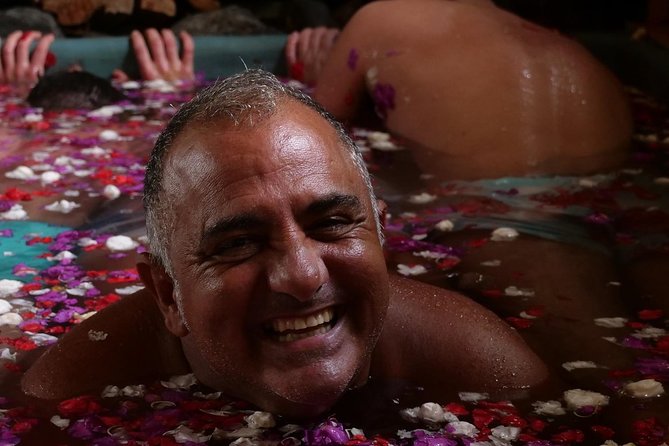
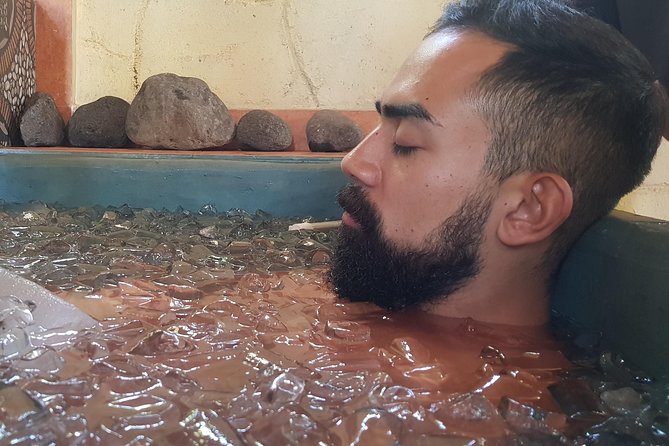
Ice baths can sound tough. In practice, the toughest part is often the first wave. Cold hits fast and your mind can start negotiating.
The coaching concept here is to help you control your response, not to eliminate discomfort. That’s an important mindset shift. If you treat it like a battle, you’ll tense up and suffer longer. If you treat it like a training session, you can focus on breath and presence.
You’ll also notice the training language repeatedly ties cold with breath and mind. That’s not random. Cold stress is when the nervous system gets loud. Breathwork is the knob you can turn to keep the volume down.
One more practical note: bring your “minimum viable attitude.” Show up willing to follow cues. If you go in expecting perfection, you’ll likely stress yourself out—before the cold even starts.
Lunch and recovery: why food shows up in a cold-and-breath session
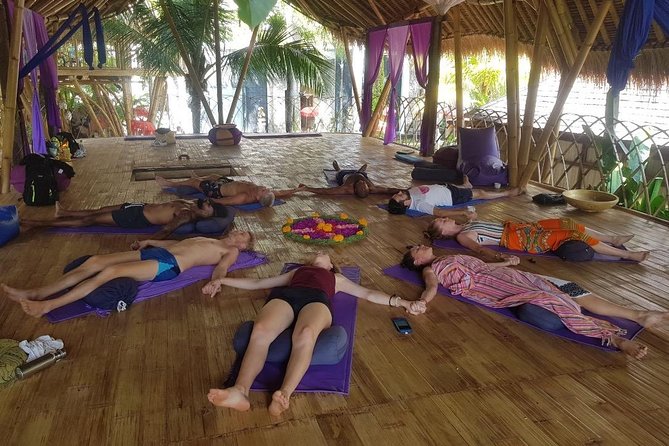
The full-day package description includes a delicious and nutritious lunch. Even if your session runs around the 4-hour mark, the inclusion of lunch matters.
After breathwork and cold exposure, your body is using energy to recover and regulate. A nutritious meal helps you come back to baseline instead of leaving hungry, shaky, and tempted to collapse into a sugar crash.
It’s also a good time to mentally land. You’ve challenged discomfort for a few hours. Eating and settling helps your body register: the session is over, and you’re safe.
If you’re the kind of person who tends to forget food while traveling, plan to treat this lunch as part of the training, not an afterthought.
Where you start in Ubud: Neka Art Museum area
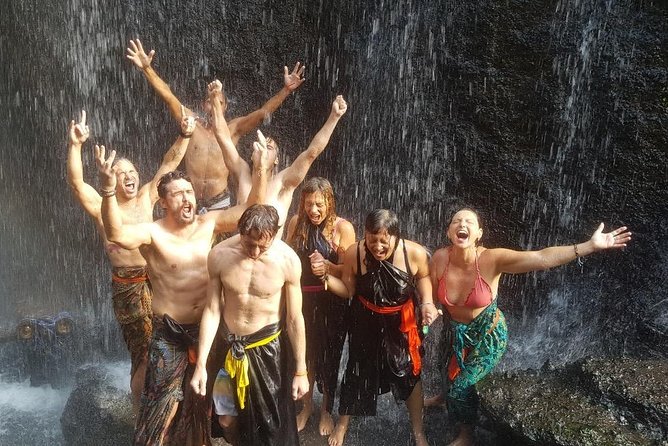
The meeting point is at Neka Art Museum, around the address listed in Campuhan (Jl. Raya Sanggingan / Jl. Raya Campuhan). The activity ends back at the meeting point.
Because it’s near public transportation, you should be able to reach it without hiring a car. Still, in Ubud, roads can be winding and traffic can vary, so give yourself buffer time.
If you’re staying in central Ubud, I’d build your day so you’re not sprinting to other plans right afterward. This session is designed to change your stress response. You don’t want to immediately run into a chaotic schedule and undo the calm.
Who should book this, and who should think twice
This experience notes a strong physical fitness level. That’s not meant to scare you. It’s a realistic heads-up: yoga plus breathwork plus cold is not a casual stroll.
You’ll likely enjoy this if you:
- Want a private coaching setup rather than a crowded class
- Are curious about breathwork + Wim Hof style cold as a training method
- Like structured routines and want practical tips you can repeat at home
- Can handle discomfort without needing it to be pleasant the whole time
You might want to think twice if you:
- Are very new to cold exposure or breathwork and fear panic
- Know you struggle with intense bodily sensations
- Are expecting something purely relaxing
In other words: if you want comfort and softness only, this isn’t that. If you want a guided way to train your relationship with stress, this makes sense.
How to prepare so it feels safer and more effective
You can’t control everything once you’re in the ice bath. But you can control the “inputs” that make it easier.
- Wear easy clothing that’s comfortable for yoga and moving.
- Arrive on time and calm your schedule beforehand.
- If you’re bringing a service animal, that’s allowed.
- Plan to go in with respect for the pace—especially during cold progression from extremities to the full ice bath.
For breathwork, your attitude matters. The best approach is to follow the coach’s cues and avoid freestyle. This kind of training works through technique, not luck.
After the session: building a morning routine that actually sticks
One of the most useful promises in the info is the idea of a new morning routine with ripple effects. That’s where the training becomes more than a one-time novelty.
You’ll likely get practical tips for sleep and stress management. The most helpful approach is to treat these like experiments: choose one or two cues (like a short breathing practice and a calm meditation moment) and repeat them for a week.
Since the session includes meditation, pranayama, and intention work, you’re not just learning how to breathe during discomfort. You’re learning how to set up your day so your body expects steadiness.
And if you’re into early-morning habits, there’s also mention of an Alex-led 5am style club focused on meditation and mindful morning walks. Even if you don’t join that exact program, it fits the same theme: start with calm, then move into the day.
Should you book this Ubud ice-bath breathwork session?
If you want a standard Bali yoga class, skip it. This is something more intense and more training-like.
I think you should book if you’re curious about breath control, you want a private coach, and you’re willing to work through discomfort with guidance. The value case is strong: the session includes a mat, the ice bath, and a nutritious lunch in the full-day option, with intensive tuition for your group only.
But if cold and breathwork make you anxious, go slowly. This kind of training can be powerful, yet it’s still your body in charge. Pick it when you’re ready to learn technique, not when you’re looking for an easy afternoon.
FAQ
How long is the Lost Art of Being Human session in Ubud?
The duration is listed as approximately 4 hours.
Is this a private tour or group activity?
This is a private tour/activity. Only your group will participate.
What’s included with the full-day package?
The information says the package includes a mat, a nutritious lunch, and the ice bath, along with intensive private tuition.
What techniques will I practice during the session?
The experience includes meditation, yoga, breathwork, Wim Hof techniques, and ice baths. It also mentions pranayama and techniques tied to meditation, projection, and intention.
Where do we meet, and where does it end?
You start at Neka Art Museum (Jl. Raya Sanggingan / Jl. Raya Campuhan area in Campuhan, Kedewatan, Ubud). The activity ends back at the meeting point.
How fit do I need to be?
The experience states that travelers should have a strong physical fitness level.
Can I bring a service animal?
Yes, service animals are allowed.
What is the cancellation policy?
You can cancel for a full refund if you cancel at least 24 hours in advance of the experience’s start time. If you cancel less than 24 hours before, the amount paid is not refunded. Confirmation is received at booking time, and the experience requires a minimum number of travelers, with an alternate date/experience or full refund if canceled for that reason.