REVIEW · NUSA PENIDA DAY TRIPS
Nusa penida private senorkeling with Manta
Book on Viator →Operated by Bali Ubud Tour · Bookable on Viator
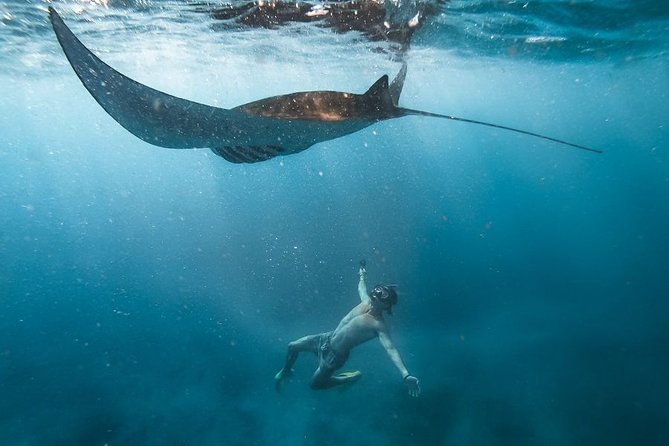
Mantas on Penida, minus the crowd headaches. This private snorkeling day is built for comfort and variety: you’ll get fast boat transfers, a private boat for your group, and four different snorkel stops around Nusa Penida—all in one long, well-fed outing from Ubud.
I like the mix of targeted stops and variety. You’ll snorkel at Wall Bay, Mangrove Point, Crystal Bay or Gamat Bay, and then either Manta Point or GT Point, so you are not stuck doing the same reef loop all day. The included gear and lunch make it feel like a real trip, not just a ticket with “good luck” energy.
My favorite part is simple: you’re not sharing your boat with random strangers. Also, having snorkeling equipment included plus lunch and bottled water means you spend less time figuring things out and more time in the water. The one real consideration is that manta sightings aren’t guaranteed—and one bad-fit experience can happen if your Manta Point time slot is midday when mantas are less active.
In This Review
- Key things to know before you go
- Nusa Penida from Ubud: a long day, well structured
- Private boat value: fewer headaches, better use of water time
- The morning run: pickup, Sanur briefing, and the fast boat rhythm
- Four snorkeling stops that change the scenery (and your odds)
- Wall Bay Point: your first reef look
- Mangrove Point: different vibe, often an easier mental reset
- Crystal Bay or Gamat Bay: where variety keeps the day from feeling repetitive
- Manta Point or GT Point: your big-ticket target
- Lunch and timing: fuel for four swims, not one
- Price and value: is $98 worth it for a private Penida day?
- Manta rays: how to think about odds without getting burned
- What to bring (and what to do so you’re not miserable)
- Who this tour suits best
- Should you book the Nusa Penida private snorkeling with manta?
- FAQ
- What time does the tour start?
- Where do we go before the fast boat to Nusa Penida?
- How long is the boat ride to Nusa Penida?
- How many snorkeling spots are included?
- What snorkeling gear and meals are included?
- Can I cancel for free?
Key things to know before you go
- Private boat for your group: fewer awkward moments, less jostling, and easier pacing at the water.
- Four snorkeling spots: different areas around Penida means you’re chasing variety, not a single “maybe.”
- Targeted manta/GT stops: one stop is aimed at Manta Point or GT Point depending on the plan.
- Equipment + lunch included: you should show up ready to snorkel, not scramble for basics.
- Big travel day from Ubud: plan for long hours and get ready to move between Ubud, Sanur, and Penida.
Nusa Penida from Ubud: a long day, well structured
This tour is set up as a full-day outing that starts in Ubud and uses Sanur as the boat hub. You’ll be picked up from your accommodation lobby in the morning, then driven to Sanur for the briefing and departure. After you arrive, it’s roughly a 45-minute fast boat ride to Nusa Penida.
Why I like this setup is that it saves you from the usual Bali mess: hunting for schedules, bargaining for boats, and hoping the timing lines up. Here, the day is built around motion and snorkeling windows, with each stage planned so you can keep your energy for the water.
The tradeoff is time. The overall duration runs about 9 hours, and travel is part of the deal. If you hate long transfers, this might feel like a lot of sitting for one reef jaunt. But if you’re committed to Penida’s marine life, the structure is a big help.
You can also read our reviews of more private tours in Ubud


Private boat value: fewer headaches, better use of water time
The biggest selling point here is that you’re on a private boat just for your group. That matters more than it sounds. On shared tours, you often lose minutes to crowd shuffling—who goes first, where gear goes, who didn’t bring the right fins, who wants to stop for selfies instead of snorkeling.
With a private setup, you can keep a smoother flow: gear on, water entry, snorkel, and move on. It also tends to make it easier to manage your pace if you’re an easygoing snorkeler who wants slower scans for fish—or if you’re the type who hates drifting and likes a mission.
The tour also includes your snorkeling gear, plus bottled water and lunch, so you’re not buying basics after the fact. That keeps the day from turning into a series of small purchases and waiting around.
One caution: private doesn’t mean “automatic manta rays.” Your boat and timing can set you up well, but marine behavior is still marine behavior.
The morning run: pickup, Sanur briefing, and the fast boat rhythm
Start time is 9:00 am, with hotel pickup at your lobby. Expect a drive to Sanur, then a boat briefing once you arrive. That briefing is worth paying attention to. Fast boats are fun, but they also come with rules for safety, getting seated, and moving around without turning your day into a slip-and-splash scene.
Once everyone is ready, you depart for Nusa Penida and the ride is around 45 minutes.
In my view, the fast-boat rhythm is what helps this tour fit four snorkeling stops into one day. It’s a trade: you’ll feel the speed on the ride, but you gain time for the water part that you actually paid for.
Four snorkeling stops that change the scenery (and your odds)
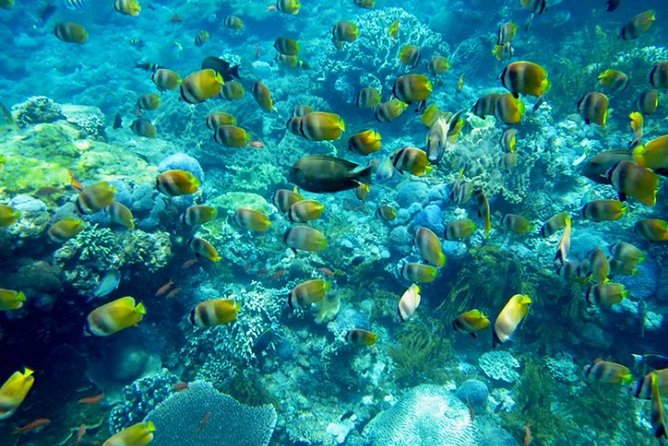
The tour’s plan is to snorkel at four different points around Nusa Penida. The exact bay you hit can vary: you’ll do Crystal Bay or Gamat Bay, and then Manta Point or GT Point. You’ll also do Wall Bay Point and Mangrove Point.
Here’s how to think about each stop, and why it helps your day.
Wall Bay Point: your first reef look
Wall Bay Point is one of the tour’s early anchors. On Penida, the “first stop” often sets the tone: you’ll be fresh, gear is new, and you’ll still have that beginner-to-snorkel confidence.
This is usually where you want to get your breathing steady, check your buoyancy, and start reading the water. If you’re going to struggle anywhere, it’s often early—before you’re comfortable with the currents and how the surface feels. Starting with Wall Bay is a smart way to get your body used to the day’s pace.




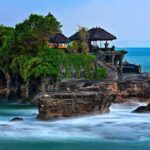

Mangrove Point: different vibe, often an easier mental reset
Mangrove Point is a nice change from open-water reef scanning. Even if you’re not staring at mangrove roots (you may or may not, depending on conditions and how you enter), it often gives a different visual feel underwater—more structured views than just “rock and current.”
This stop is a good place to slow down. I’d use it to focus on smaller fish and the details you miss when you’re hunting for the big stuff. And yes, this is also a sanity break. If one stop goes rough with visibility, the next stop can bring it back.
Crystal Bay or Gamat Bay: where variety keeps the day from feeling repetitive
Choosing Crystal Bay or Gamat Bay means you’re not stuck with a single name and a single expectation. Even on the same island, conditions can shift—water clarity and sea behavior can change day to day.
So your best strategy here is mindset: go in ready to enjoy whatever the water is offering that day. This is a stop that’s meant to keep you from “one-and-done.” By the time you reach this area, you’ll have already warmed up at Wall Bay and Mangrove Point, so you can spend the time spotting.
Manta Point or GT Point: your big-ticket target
This is the part of the day you’re probably thinking about from the start: Manta Point or GT Point. The name GT Point points toward giant trevally (GT), which usually attracts snorkelers because it signals bigger, bolder fish activity.
Now here’s the honest note I’d carry into planning: mantas are not on a schedule you can set your watch to. One criticism I found hard to ignore was that a guest felt manta activity was stronger in the morning and evening, and their mantas-point visit happened in the middle of the day, which they felt lowered their odds. If your goal is a manta sighting, that timing factor is worth thinking about.
If you want to improve your chances, ask the operator the practical question before you commit: what time slot is typically used for Manta Point? You can’t control the sea, but you can choose whether the day’s plan matches the behavior you’re hoping to see.
Lunch and timing: fuel for four swims, not one
After the snorkeling stops, there is an included lunch plus bottled water. The day ends with you returning to the boat by about 1:45 pm, then transferring back to Sanur and onward to your original pickup point.
Why I consider lunch important here is simple: Penida snorkeling can add up fast. Even if you’re a comfortable swimmer, water time plus sun plus wind can make you feel wiped. Eating breaks that cycle. It also reduces the chance you’ll skip the last snorkel stop because you’re hungry and grumpy.
That said, I’ll be fair: one negative experience in the feedback called the lunch awful and suggested they’d rather the tour not promise lunch. So your mindset should be “included means convenient,” not “included means gourmet.” Go for the convenience, hydrate, and treat the meal as refueling.
Price and value: is $98 worth it for a private Penida day?
At $98 per person, this is not the cheapest way to see Penida. You’re paying for three things that usually cost money on the ground: a private boat, the fast transfer setup, and the included snorkeling gear plus lunch.
Here’s how I judge value for this kind of day:
- If you hate crowds, the private boat is often worth it. The less time you waste organizing yourself with strangers, the more time you actually snorkel.
- If you want variety, four points is a value signal. One bay can disappoint; multiple stops give you more shots at good conditions and good wildlife.
- If you’re planning to buy gear or food separately, the inclusions help you control total cost.
The main way this price can feel less worth it is if manta rays are the only thing you care about, and the timing ends up being mid-day when they’re less active. In that case, you still get reef snorkeling, and you might spot fish and scenery—but the headline animal moment may not happen.
Manta rays: how to think about odds without getting burned
This is a manta-targeted tour, but it’s not a guarantee machine. Mantas come and go, and Penida’s timing can influence what you see. The negative feedback I saw focused on a mismatch: manta activity felt stronger morning and evening, while the manta point time slot was described as middle of the day.
So here’s my practical take:
- Go in expecting multiple good snorkeling moments.
- Treat manta rays as the bonus, not the only checkbox.
- If mantas are a top priority, ask about the day’s Manta Point timing before booking.
Also, remember you’re on Penida for a reason. Even when mantas are absent, the island can still deliver fish variety and scenic snorkeling. Just don’t plan your entire trip around a single outcome.
What to bring (and what to do so you’re not miserable)
The tour includes snorkeling equipment, lunch, and bottled water, so you’re mostly packing for comfort.
Bring:
- Your own swimwear and a towel you like
- Reef-safe sunscreen and something for sun protection for the long boat/transfer day
- Water-friendly sandals or shoes (for getting on and off the boat)
- A dry bag or waterproof pouch for phone and passport
- Any personal snorkeling needs, like your preferred rash guard or eye protection
Also, be ready for movement. This isn’t “sit on the sand and chill.” It’s boat time, gear time, and water time—repeat.
If you’re prone to motion sickness on fast boats, take it seriously. The ride is part of the package and you’ll feel it.
Who this tour suits best
This is a private activity, so it fits best when you value comfort and control.
It makes a lot of sense for:
- Couples and small groups who want a calmer boat experience than shared tours
- Snorkelers who like variety and want four different areas in one day
- People staying around Ubud who want a direct, organized Penida visit
It may not be the best fit if:
- You’re short on time and hate long travel days
- Your budget depends on one single outcome (manta rays on demand)
- You’re sensitive to boat rides and long transfers without breaks
Most travelers can participate, which is helpful, but your comfort level with boats and open water will still matter.
Should you book the Nusa Penida private snorkeling with manta?
I’d book it if you want private-boat comfort, equipment included, and multiple snorkeling chances in one day from Ubud. The value is strongest when you care about having your group’s space and you’re excited to explore several Penida areas rather than chasing one spot only.
I’d think twice if you are coming strictly for a manta sighting and nothing else. The negative feedback I saw (no mantas after a middle-of-the-day manta point stop) is a reminder that timing can affect what you get. You can still enjoy snorkeling, but don’t bet your whole Bali memory on one animal appearing on schedule.
If you do book, ask one simple question before you go: what time slot does your Manta Point stop usually happen? That one detail can shape your expectations—and your satisfaction—more than almost anything else.
FAQ
What time does the tour start?
The tour starts at 9:00 am, with morning pickup from your accommodation lobby.
Where do we go before the fast boat to Nusa Penida?
You’re driven to Sanur first. Then you take a fast boat from Sanur to Nusa Penida.
How long is the boat ride to Nusa Penida?
The fast boat ride takes about 45 minutes.
How many snorkeling spots are included?
You’ll snorkel at four different points around Nusa Penida.
What snorkeling gear and meals are included?
The tour includes snorkeling equipment, lunch, and bottled water.
Can I cancel for free?
Yes. You can cancel for a full refund up to 24 hours before the experience start time. The tour also notes weather can affect the experience, and in that case you’ll be offered a different date or a full refund.