REVIEW · HIKING & TREKKING
Mount Agung Sunrise Trekking Private Tours
Book on Viator →Operated by Mount Agung Sunrise Trekking · Bookable on Viator
Nothing says Bali like a midnight climb. Mt. Agung is Bali’s highest, most sacred volcano, and this tour lines you up for the sunrise from the crater rim after hiking in the dark with flashlights and a guide.
I really love the private guide setup and the way the climb is managed with real trail support, not just a ticket and hope. I also love the crater-rim sunrise goal, because once you’re up there, the views stretch across Bali and out toward Lombok and its peaks.
One consideration: this is cold, steep, and physically demanding. Warm layers and good shoes are not included, so you’ll want to pack for wind and a slippery descent.
In This Review
- Key Things I’d Bet on Before You Go
- Mt. Agung Sunrise: What Makes This Volcano Hike Special
- Price and Value: Is $55 Reasonable for a Private Mt. Agung Sunrise Trek?
- Getting There: Pickup Range and the Besakih Start Area
- The Night Climb: Flashlights, Poles, and That “First Steep” Feeling
- The Besakih Temple Connection: Passing Bali’s Mother Temple
- Reaching the Summit Area: Sunrise at the Crater Rim
- The Breakfast Break: More Than Food, It’s a Strategy
- Descent: Where People Get Sloppy (and Where the Reviews Get Real)
- Guide Quality and Safety: The Names You’ll Hear in Great Trips
- What to Pack: The Cold-Wind, Slippery-Trail Checklist
- Who Should Book This Private Mt. Agung Sunrise Trek?
- Should You Book This Mt. Agung Sunrise Trek?
- FAQ
- How long does the Mount Agung sunrise trekking tour take?
- Where does the tour start and end?
- What does the $55 per person price include?
- Does the tour pick up from hotels outside Besakih?
- What hiking gear should I bring since some items are not included?
- Is this a private tour?
- What fitness level is recommended?
- Is there free cancellation?
Key Things I’d Bet on Before You Go
- Private, guide-led route: Only your group participates, with a guide who keeps you moving and safe.
- Flashlight start in darkness: You hike at night with provided lighting gear and trekking poles.
- Sunrise timing matters: Some folks reach the top early and wait; the route aims for sunrise at the crater area.
- Fire stop + hot breakfast rhythm: Guides often create warmth breaks near the colder parts of the climb.
- Descent is the test: Good grip and slower steps matter a lot once daylight hits and the trail gets slick.
Mt. Agung Sunrise: What Makes This Volcano Hike Special
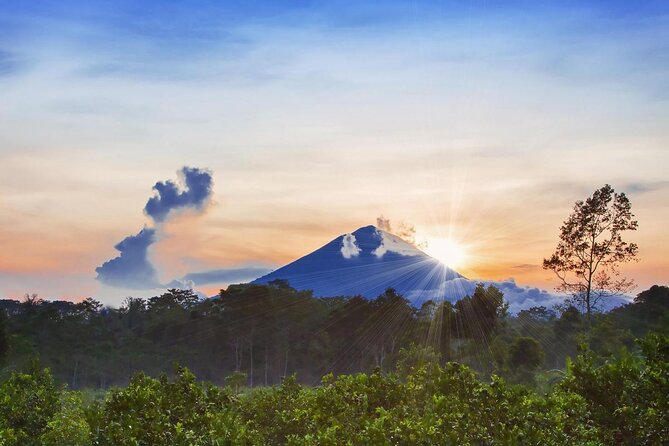
Mt. Agung rises to 9,944 feet (3,031 meters), so you’re not doing a casual “sunrise stroll.” You’re doing a nighttime ascent that climbs through forest and rocky sections, then works its way to the crater rim for that first light when the whole region wakes up.
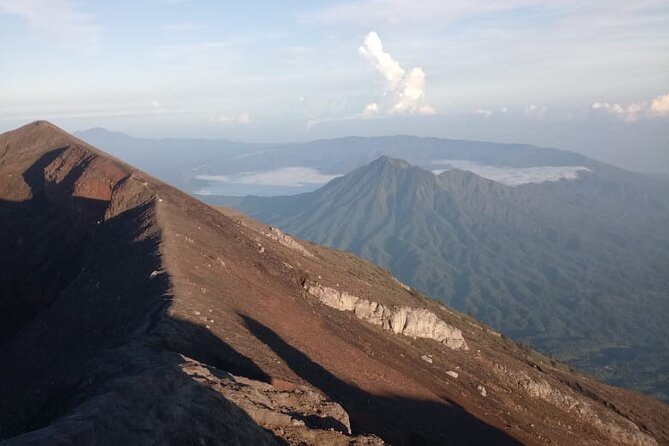
What makes the experience click is the way the tour builds emotion and scenery into the schedule. You start in darkness with flashlights, you spend a chunk of time climbing hard, and you reach a summit area just in time to watch sunrise from high up. The payoff isn’t just the sun; it’s the moment you’re looking out over Bali and toward Lombok (including the sightline toward Mt. Rinjani’s area, when conditions allow).
Also, the tour connects you to Bali’s spiritual geography. If you take the trekking path via Besakih, you pass the temple area commonly called the mother temple of Bali—Pura Besakih—before heading up the mountain.
You can also read our reviews of more private tours in Ubud


Price and Value: Is $55 Reasonable for a Private Mt. Agung Sunrise Trek?
At $55 per person, this is priced like a “serious day” more than a luxury sightseeing tour. The value comes from three things the tour includes:
- A private guide (not a large group shuffle).
- Core hiking support gear like trekking poles, flashlight, and a raincoat.
- Food and drinks for the hike: breakfast items and water during the trek.
The tradeoff is what’s not included. Warm layers, hiking shoes, and personal expenses are on you. Since this climb can get windy and cold near the top, you may end up spending extra to be comfortable and safe. If you already own grippy hiking shoes and a warm layer system, this price can feel like a bargain. If you’re missing gear, budget for it before you book.
Getting There: Pickup Range and the Besakih Start Area
The tour offers pickup and drop-off across a wide swath of Bali. You can be collected and returned from places like south Bali, Ubud, Amed, Lovina, and Candidasa. That matters because Mt. Agung treks don’t start close to most hotels—you’re paying for time, not just a guide.
You’ll also be working from a specific launch point in the Besakih area. The start location is listed at Pura Pengubengan Besakih, in Rendang, Karangasem Regency. The tour ends back at the same meeting point, with transfers handled by the driver.
Based on guides and drivers seen in real experiences, pickup timing can feel late-night intense. One person started the long drive from a hotel around 9pm and reached the base later, then began hiking after midnight. Another example started from the base around 2am. In plain terms: plan for a long night and don’t schedule anything the next morning that requires precision timing.
The Night Climb: Flashlights, Poles, and That “First Steep” Feeling
Your trek begins in darkness—provided flashlights light the path where you’re moving in a forest and rocky mix. At first, the climb may feel manageable, but then the trail steepens and becomes more demanding.
Two practical advantages come from the provided gear:
- Trekking poles help on uneven ground and reduce stress on your knees, especially on the long, uphill grind.
- Flashlight support lets you see where you place your feet instead of guessing.
The pace is often guided. Some groups move at a similar rhythm the guide matches to the hikers. Others experience breaks along the way, sometimes including a longer rest during the climb. Either way, the key is that you’re climbing through sections that can feel like constant uphill work, not a quick hike.
One review detail I’d take seriously: the guide may set up a fire using sticks gathered along the route for warmth at a colder point (a common pattern was around a few dozen minutes before reaching the summit area). That fire break can be the mental reset that keeps you going.
The Besakih Temple Connection: Passing Bali’s Mother Temple
One neat aspect of this experience is the chance to pass through the Besakih Temple area en route if you take the path via Besakih. Besakih is described as the biggest Hindu temple in Bali, known locally as Pura Besakih.
Practically, this means your sunrise hike isn’t just about Mt. Agung—it also layers in a spiritual landmark tied to the mountain’s sacred status. At the temple area, there’s also a wider panorama view described from the top of the temple area, with sightlines out toward nature and even to the ocean on a clear day.
If you care about cultural context, that detour is a big reason to choose this specific Mt. Agung sunrise trekking style rather than a purely “just hike” operation. If you’re mainly focused on speed, note that any temple-route choice can shape your timing and how your night flows.
You can also read our reviews of more hiking tours in Ubud
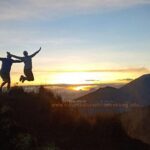
Reaching the Summit Area: Sunrise at the Crater Rim
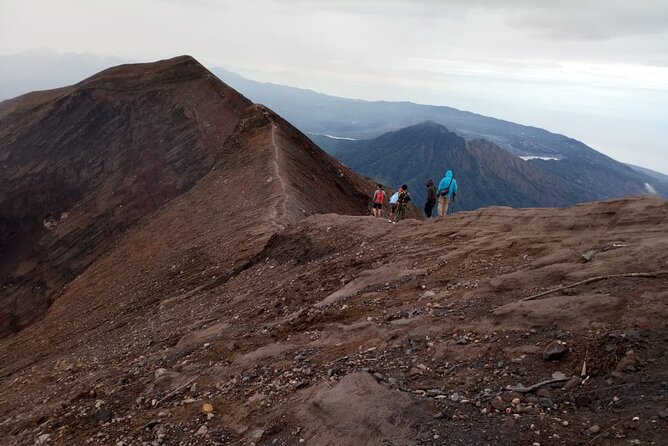
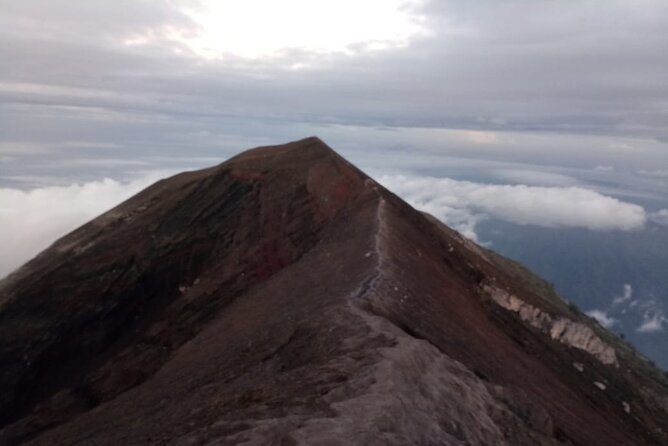
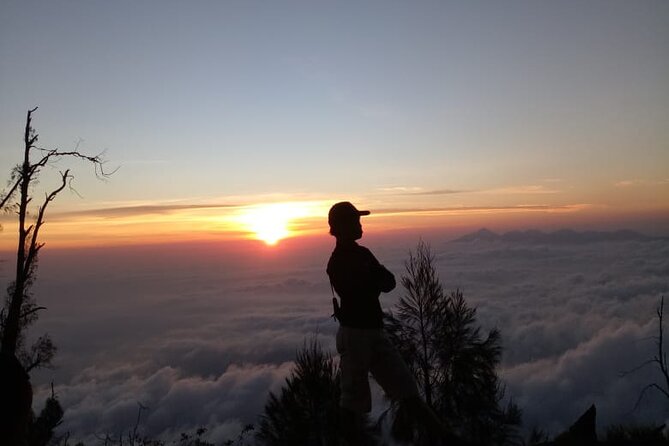
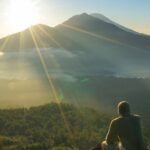
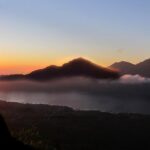
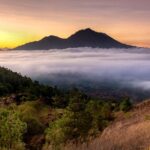
The goal is sunrise over the region from the crater rim area. This is where Mt. Agung earns its reputation. Even if weather plays tricks (fog and clouds can roll in), the atmosphere at the top is the point: you’re high, exposed, and waiting for that color shift that turns night into morning.
Timing can vary by group and guide pacing. Some experiences describe reaching the top about 90 minutes earlier than expected, then setting up camp (including a fire) and breakfast before sunrise. Others reach the summit area closer to sunrise and watch from the crater zone, then descend soon after.
A realistic expectation: the summit and crater rim area can be crowded sometimes, and not everyone makes it all the way. One account mentioned that only a fraction of hikers reached the top while others turned back or chose to camp. That’s not a failure—it’s part of listening to your body when the climb is steep and long.
The Breakfast Break: More Than Food, It’s a Strategy
Breakfast is part of the trek and it’s placed at a cold stage of the hike. The included meal items are fairly straightforward but very welcome after hours of climbing: hardboiled egg, bread, seasonal fruits, biscuits, and tea or coffee. Water is also provided during the hike.
Why this matters: your body is working hard, and you’re moving from warm forest sections into colder, windier terrain. Eating and drinking at the right time helps you keep your energy for both the summit wait and the descent.
Also, there’s a subtle logistical win here. A warm-up moment—like a fire break—paired with food is what turns “I might not make it” into “Okay, I can do this.”
Descent: Where People Get Sloppy (and Where the Reviews Get Real)
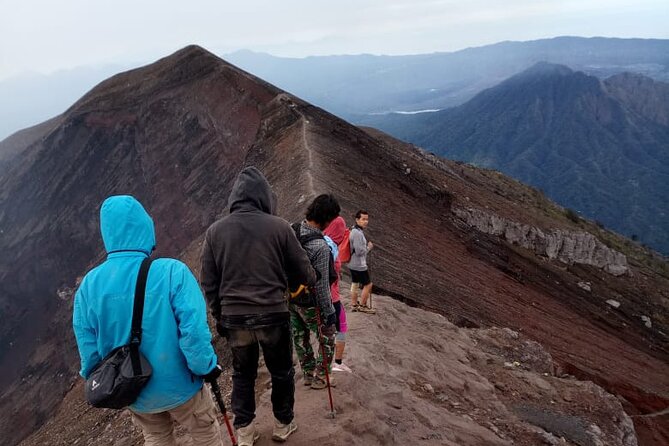
The climb is hard, but the descent can be worse. Several accounts describe the downhill as slippery and scary, especially on loose rocks and fine-grained surfaces. One person described going down a narrow, rocky trail that looked very different in daylight without headlamps, and another specifically warned that rain and mud can make it easy to slip.
This is the part where shoe choice becomes non-negotiable. One strong lesson from multiple experiences: wear shoes with proper grip. Runners can be a big mistake. Plan for uneven terrain, loose rock, and sections that can be damp even when it’s not actively raining.
Also, don’t underestimate how long you’ll be moving downhill. Some itineraries ended around late morning, meaning you might still be walking for hours after sunrise. If you expect the sunrise moment to be the endorphin finale, you’ll likely learn humility on the way down.
Guide Quality and Safety: The Names You’ll Hear in Great Trips
Most reviews praise the guides for being attentive and safety-focused. One recurring example is a guide named Gede Darta (also referred to as Darta). People highlight a calm, level-headed approach, including support when someone got scared near the top. In one story, he carried a bag to lighten the load and encouraged the hiker to continue when fear hit.
Another praised guide trait: pacing that matches you. One hiker felt never pressured to speed up and described the guide matching their rhythm. That kind of pacing is important on steep ground where slowing at the wrong time can waste energy.
Drivers also get credit in a few accounts. Ketut Bude was described as prompt and safe, and Rodih was praised for enjoyable conversation during a long drive back to the hotel. Another driver name mentioned is Batki, tied to a coffee plantation stop on the return journey.
Now the balanced part: guide communication and motivation can vary. One less-favorable experience complained about limited engagement and a long cold wait below the summit. Another described a guide with limited English who still cared, but the trip needed more clarity about break timing and distance to the top. Translation: you’re buying safety and navigation, but you should still choose your own pace and ask questions if you want more info.
What to Pack: The Cold-Wind, Slippery-Trail Checklist
This trek includes poles, a flashlight, and a raincoat, but it does not include warm layers or hiking shoes. Reviews are consistent about what you’ll feel up top: cold, wind, and sometimes damp ground.
Use this packing logic:
- Warm layers you can actually hike in. Forest might feel sweaty; the summit area can feel freezing and windy.
- Gloves. If you don’t have them, you might find your guide can lend help, but don’t count on it.
- Headlamp or extra light only if you want redundancy. You’re getting flashlight gear, but one review noted the guide brought extras.
- Grippy hiking shoes. Avoid sandals and avoid smooth-soled runners.
- Plenty of water. One specific tip was at least 3 liters per person.
- Snacks for morale. Food is included, but bringing extras can help when you’re waiting for sunrise or taking longer breaks.
And one more non-negotiable: prepare for a long night. Even if your body is fit, the schedule is what makes the mountain feel bigger.
Who Should Book This Private Mt. Agung Sunrise Trek?
This tour suits you if:
- You’re comfortable with steep, rocky hiking at night.
- You want a real challenge, not a relaxed viewpoint stop.
- You like the idea of sunrise at the crater rim with a guide, plus a temple-area connection via Besakih.
This is less ideal if:
- You’re seeking something easy or short.
- You’re not prepared for cold, wind, and slippery conditions.
- You don’t have suitable hiking footwear or you hate the idea of long downhill walking.
The tour info also notes it’s not recommended for menstruation period travelers. And it asks for moderate physical fitness level. That doesn’t mean it’s gentle. It means you should be able to hike actively for long periods, manage steep sections, and handle temperature swings.
Should You Book This Mt. Agung Sunrise Trek?
Book it if you want the iconic Mt. Agung experience with structure: a private guide, flashlight-led night hiking, crater-rim sunrise, and real trail support. At $55, the value looks strong when you already own the right clothing and shoes.
Skip—or at least rethink—if you lack proper grip shoes, you can’t handle cold/wind, or you’re expecting a simple sunrise without the hard part afterward. Sunrise is the headline, but the mountain’s real story is the climb plus the careful descent.
If you do book, do these two things and you’ll stack the odds in your favor: pack warm layers and choose shoes with serious tread. The summit feels earned when you arrive steady, not rushed.
FAQ
How long does the Mount Agung sunrise trekking tour take?
It’s listed as about 12 to 16 hours.
Where does the tour start and end?
The tour starts at Pura Pengubengan Besakih, Rendang, Karangasem Regency, Bali, and it ends back at the meeting point.
What does the $55 per person price include?
It includes a private driver and guide, trekking poles, flashlight, raincoat, and breakfast items during the hike plus water and tea or coffee.
Does the tour pick up from hotels outside Besakih?
Yes. Pickup and drop-off are offered in south Bali, Ubud, Amed, Lovina, and Candidasa.
What hiking gear should I bring since some items are not included?
Warm jacket/layers and shoes are not included. You’ll also want personal supplies and anything else you typically need for a long, cold night hike.
Is this a private tour?
Yes. It’s a private tour/activity, and only your group participates.
What fitness level is recommended?
The tour notes a moderate physical fitness level.
Is there free cancellation?
Yes, free cancellation is offered. You can cancel up to 24 hours in advance for a full refund.