REVIEW · KINTAMANI & VOLCANO TOURS
Kintamani Vulcano Tour
Book on Viator →Operated by Bali Ubud Tour · Bookable on Viator
North Bali feels like a different Bali. You get temples, volcano views, and rice paddies in one long, efficient day. I also like how the stops are spread out enough that it doesn’t feel like you’re stuck in a single crowd lane.
Two standouts: the cliff-carved feel at Gunung Kawi and the spiritual energy around Tirta Empul’s sacred spring. One thing to consider: the tour runs about 9 hours and lunch isn’t included, so you’ll want a plan for when hunger hits.
In This Review
- Key moments that make this tour worth your time
- Why this Kintamani volcano route makes sense from Ubud
- Price and value: what $52.62 buys you
- 9:00 am start, pickup, and how to pack for a long day
- Stop 1: Gunung Kawi and cliff-carved temple atmosphere
- Stop 2: Tirta Empul and the Melukat purification bath
- Stop 3: Kintamani highlands for Lake and Mount Batur views
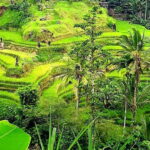
- Stop 4: Tegalalang rice terraces and the subak irrigation system
- Transportation comfort: air-conditioned rides that keep your energy
- Lunch and temple basics: what you must plan yourself
- The guide factor: why Kadek and Dewa keep showing up
- Who should book the Kintamani volcano tour (and who might skip it)
- Should you book this Kintamani volcano tour from Ubud?
- FAQ
- What is the duration of the Kintamani Vulcano Tour?
- What time does the tour start?
- How much does the tour cost?
- Is pickup available?
- What’s included in the tour price?
- Is lunch included?
- Are admission tickets included for the main sights?
- Is this a private tour?
- What is the cancellation policy?
- Is it suitable for most people?
Key moments that make this tour worth your time
- Gunung Kawi temple sits close to rice fields and cliff carvings from the late 11th century
- Tirta Empul centers on the sacred spring used for the Hindu Melukat purification bath
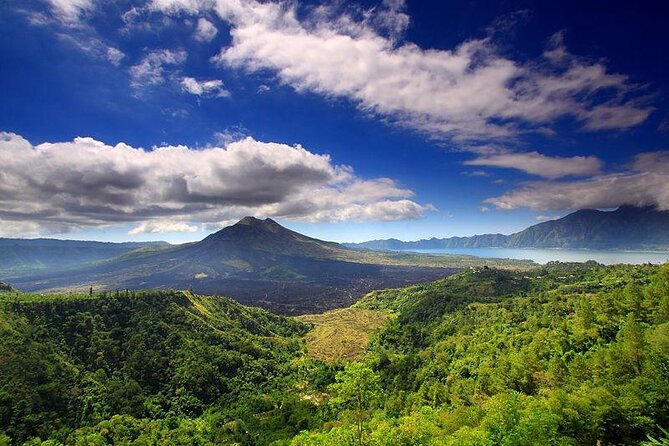
- Lake and Mount Batur viewpoints in the Kintamani highlands area
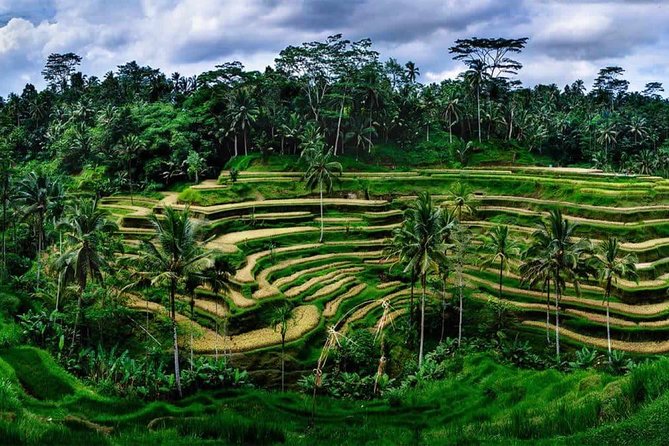
- Tegalalang rice terrace scenes with the traditional subak irrigation system
- Private, air-conditioned transport so your day stays comfortable even when it’s busy outside
Why this Kintamani volcano route makes sense from Ubud
If you’re basing yourself in Ubud, this is the kind of day trip that helps you see more than just markets and craft streets. You head north from Ubud to the highlands around Mount Batur, then swing back through rice terrace country with temple visits that feel grounded in daily Balinese life.
What I like about this route is the pacing. You’re not rushing through one photo spot after another with no context. Instead, you get a mix: old rock carvings, a living purification ritual at Tirta Empul, then big outward views at Kintamani, followed by a slower, scenic finish at Tegalalang.
You can also read our reviews of more tours and experiences in Ubud.


Price and value: what $52.62 buys you
At about $52.62 per person for a roughly 9-hour outing, the value comes from what’s included versus what people usually end up paying separately.
You get:
- an air-conditioned vehicle and private transportation
- bottled water
- all fees and taxes
- admission tickets for the major stops
- temple support via sarong use for the visits
The missing piece is also clear: lunch isn’t included and personal expenses are on you. For many people, that’s a fair trade. You’re paying for the driving time, the guided temple access, and the key admissions—then you choose how and where to eat without being locked into a single lunch stop.
9:00 am start, pickup, and how to pack for a long day
The tour typically starts around 9:00 am. Pickup is offered, and since it’s a private tour, you should treat the pickup time as part of your day—not just an inconvenience. A clean vehicle and a clear plan help a lot when you’re crossing Bali by road for hours.
For what to bring:
- Comfortable shoes for temple grounds and uneven paths
- A light layer if you run cold in air-conditioning during transit
- Cash for snacks or coffee along the way, since lunch isn’t included
- If you wear a head covering, you’ll still want a plan for temple dress—sarongs are provided for the temple visits
Stop 1: Gunung Kawi and cliff-carved temple atmosphere
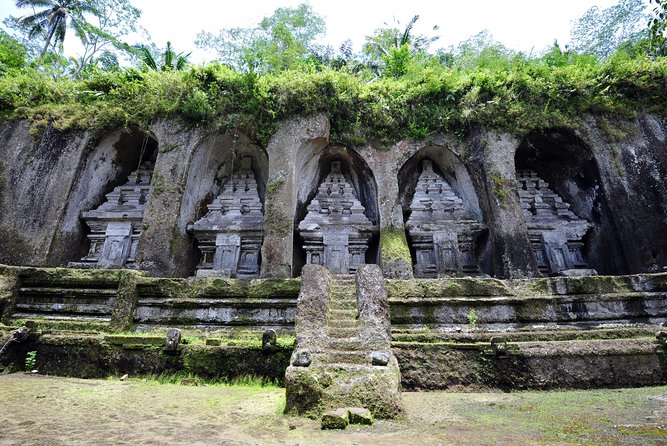
Gunung Kawi is the first big hit of the day. This temple complex is known for old carvings worked into the cliff face and for its setting near the rice terraces. That combination matters. It’s not just architecture sitting in the middle of nowhere—it’s tied to the way farming shapes the land around it.
The timing is helpful too: you spend about 1 hour here, which is long enough to take in the carved details without turning it into a half-day slog. The admission ticket is included, and the setting makes it feel like you’re stepping into a quieter corner of Bali rather than a fast-moving stop.
Practical tip: move slowly around the carvings and keep an eye on footing near temple edges. This is one of those places where the best photos come from paying attention to your angle, not sprinting to the next viewpoint.
Stop 2: Tirta Empul and the Melukat purification bath
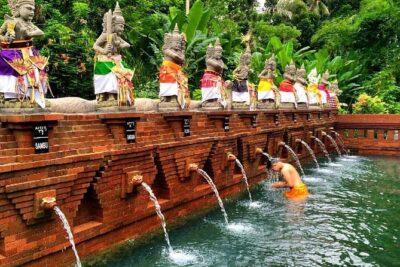
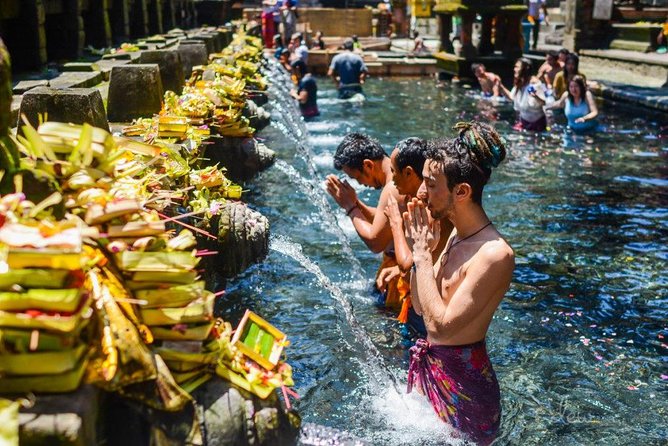
Tirta Empul is one of Bali’s most famous temple experiences, and this tour keeps it specific: the focus is the sacred spring in the inner courtyard at Tampak Siring. The spring bubbles up on-site and is believed to have curative power—so people come with intention, not just for photos.
The highlight here is the Hindu Melukat purification procession, where you can watch the ritual bathing. You don’t need to be an expert in Hindu practice to appreciate what’s happening. The atmosphere is steady and purposeful, and the ritual gives the temple a living rhythm that feels different from sightseeing-only stops.
You’ll get about 1 hour at Tirta Empul, with admission included. You’ll also use a sarong for the temple visit, which keeps the experience smoother (and helps you avoid last-minute outfit stress).
A thoughtful note for your comfort: if you’re unsure about how close to stand for the ritual, hang back a bit. You’ll get better viewing with less chaos, and you’ll feel more respectful doing it.


Stop 3: Kintamani highlands for Lake and Mount Batur views
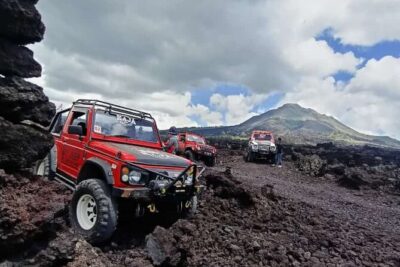
After temples, the day turns outward. You drive north into the Kintamani highlands, the area around the Mount Batur caldera, including places like Penelokan and Toya Bungkah.
This is the “wow, okay, Bali is bigger than I thought” part of the trip. The tour includes about 1 hour here, which usually lands you enough time to walk up for views, take photos, and then settle in with a breather. Because Mount Batur is a volcano-caldera area, the scenery tends to feel dramatic even when the clouds are changing.
Where this becomes valuable for you: if you’re only doing one north Bali day, Kintamani is a smart choice because it gives you wide open views while still connecting to the rest of the cultural route.
Practical tip: bring a mindset that photos will come in waves. Morning brightness or cloud cover can shift quickly. If you spend a few minutes checking view conditions, you’ll get better results than just taking one quick shot and moving on.
Stop 4: Tegalalang rice terraces and the subak irrigation system
The last stop is Tegalalang Rice Terrace, one of the most recognizable rice-paddy scenes near Ubud. What makes this stop more interesting than a generic farmland photo is the mention of subak, the traditional Balinese cooperative irrigation system.
That detail matters because it explains why these terraces look the way they do. Subak is about shared water management and farming traditions passed through the generations. So when you look at the steps of rice fields, you’re not just seeing scenery—you’re seeing a working system shaped by community decisions.
You get about 1 hour here, and admission is included. Also, this is the kind of stop where you can slow down. Even when it’s busy, the terrace layers keep your focus moving across the view instead of feeling like one flat tourist strip.
Practical tip: bring patience for viewpoints and stair-like paths. If you’re traveling with anyone who has mobility limits, stick to the most level sections and choose a spot to watch the rhythm of the fields rather than trying to walk every angle.
Transportation comfort: air-conditioned rides that keep your energy
A long Bali day trip rises or falls on transport comfort. This one uses an air-conditioned vehicle and private transportation, and those two details help a lot on a route that runs close to 9 hours.
In real terms, you’ll arrive less fried. You won’t have to do the stressful math of which bus goes where, or squeeze into cramped spaces while you bounce across roads. Private transport also makes the day feel smoother when you want quick adjustments—like when you’re taking photos and need an extra minute.
In the feedback I saw reflected in the experience style, drivers like Kadek are described as polite and informative, with safe driving. Another guide, Dewa, was noted as being right on time and friendly. That kind of reliability matters because it keeps the day from wobbling.
If you’re the type who likes learning, this is your time to ask questions. A good driver can explain what you’re seeing, including small cultural notes that you’d otherwise miss.
Lunch and temple basics: what you must plan yourself
Two things to remember so your day doesn’t get annoying:
1) Lunch isn’t included.
2) You’ll handle temple dress with a sarong provided for temple visits.
That means you should decide ahead of time how you want to eat. Some people like to find a simple local meal near one of the stops; others prefer a late lunch after viewpoints. Either way, build in some flexibility.
Also, temples are working places of worship. If you’re wearing clothing that shows shoulders or knees, you’ll usually be okay once the sarong is used—but still, dress modestly to avoid last-minute discomfort. It’s the small stuff that keeps the experience calm.
The guide factor: why Kadek and Dewa keep showing up
One of the best parts of this kind of day trip is the human connection. The feedback highlights guides who are both punctual and helpful.
Kadek was praised for being polite, informative, and even taking guests to a coffee plantation where they learned about the process. That’s not listed as a formal guaranteed stop here, but it tells you something: some guides use flexible moments to add culture and food context.
Dewa was praised for being right on time, with a clean car and a strong focus on local culture—especially the way he helped people understand what temples and rituals mean beyond the visuals.
Practical takeaway: if coffee or local agriculture interests you, ask your guide if there’s a quick chance to see it along the route. With a private setup, small add-ons can sometimes happen when timing allows.
Who should book the Kintamani volcano tour (and who might skip it)
This tour fits you well if:
- you want a one-day north Bali experience from Ubud
- temple culture is a must, not optional
- you care about both spiritual sites and big nature views
- you prefer private transport over group shuttles
You might want to think twice if:
- you hate long car time and prefer shorter outings
- you need a guaranteed lunch included in the price
- you’re sensitive to watching rituals closely (you can always choose to stand back)
The good news: you can tailor your energy. Temples can be quiet-time for you, and Kintamani is where you can just let your eyes rest on the horizon.
Should you book this Kintamani volcano tour from Ubud?
I’d book it if you want a clean, value-heavy day that hits the “top north Bali themes” without turning your schedule into chaos. For the money, you’re getting admission included, temple sarongs included, and the kind of transport comfort that makes a long day feel manageable.
It’s also a strong choice if you like your Bali days to feel connected—rock carvings tied to the landscape, a sacred spring tied to belief, volcano views tied to the geography, and rice terraces tied to how people share water and farm the land.
If you book, do two things that make a noticeable difference:
- plan for lunch on your own
- dress modestly and wear shoes that work on temple paths
FAQ
What is the duration of the Kintamani Vulcano Tour?
It runs about 9 hours.
What time does the tour start?
The start time is 9:00 am.
How much does the tour cost?
The price is $52.62 per person.
Is pickup available?
Yes, pickup is offered.
What’s included in the tour price?
Included items are bottled water, air-conditioned vehicle, private transportation, all fees and taxes, admission tickets for the stops, and sarong use for temple visits.
Is lunch included?
No, lunch isn’t included.
Are admission tickets included for the main sights?
Yes. Admission tickets are included for the Gunung Kawi, Tirta Empul Temple, Kintamani Highland, and Tegalalang Rice Terrace stops.
Is this a private tour?
Yes. It’s listed as a private tour/activity, meaning only your group participates.
What is the cancellation policy?
You can cancel for free up to 24 hours in advance of the experience start time for a full refund.
Is it suitable for most people?
The tour notes that most travelers can participate.