REVIEW · CYCLING & E-BIKE TOURS
Kintamani Cultural and Nature Cycling Tour ( Manual Bike )
Book on Viator →Operated by Greenbike Adventure · Bookable on Viator
Downhill bikes through real Bali villages. This Kintamani Cultural and Nature Cycling Tour pairs mostly-downhill riding with round-trip transport from Ubud and a guide who explains what you’re actually seeing. You start up at Abuan Kintamani and work your way back through back roads, away from big crowds.
I especially like that you get more than just scenery. You’ll stop for coffee and a real lunch, plus snacks, while the guide talks through Balinese daily life and small home industries you pass along the route.
One thing to consider: the roads can be narrow and a bit bumpy, and since it’s a manual bike, you’ll want to be comfortable with simple gear control and steady braking.
In This Review
- Key highlights worth your attention
- Why this Ubud to Kintamani cycling day feels different
- Pickup from Ubud and the first coffee break at Greenbike Adventure
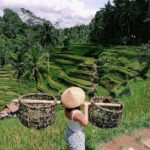
- Tegalalang rice terrace: a short stop with a big payoff
- Kintamani and Abuan: where your downhill ride begins
- Inside an Abuan home visit: religion and daily life through real routines
- Taro Village coffee and Gunung Raung Temple
- Bresela rice fields and irrigation you can actually see
- Payangan finish: Hyang Api Temple
- Greenkubu Cafe lunch and the swing stop
- The manual bike reality: control beats confidence
- Guide teamwork and safety: front lead plus sweep support
- Price and value: $33 for a day with transport, food, and teaching
- Who this tour suits best
- What to bring: shoes, sunscreen, and small essentials
- Should you book the Kintamani Cultural and Nature Cycling Tour?
- FAQ
- How long is the Kintamani Cultural and Nature Cycling Tour?
- Is pickup and drop-off included from Ubud?
- Is the bike manual or electric?
- What’s included for food and drinks?
- Are admission tickets included?
- What are the main ride and stop highlights?
- Is it mostly downhill?
- What should I wear or bring?
- How big are the groups?
- What’s the cancellation policy?
Key highlights worth your attention
- Mostly-downhill riding from Kintamani with an easy pace for most people
- Lead-and-sweep guide setup that helps with directions and possible hazards
- Coffee breaks with included treats, including options for gluten-free requests
- Tegalalang rice terrace stop for quick photos and a famous view
- Culture stops that match the ride, from village home visits to irrigation and temples
- Lunch at Greenkubu Cafe plus time to reset before the day’s final stretch
Why this Ubud to Kintamani cycling day feels different
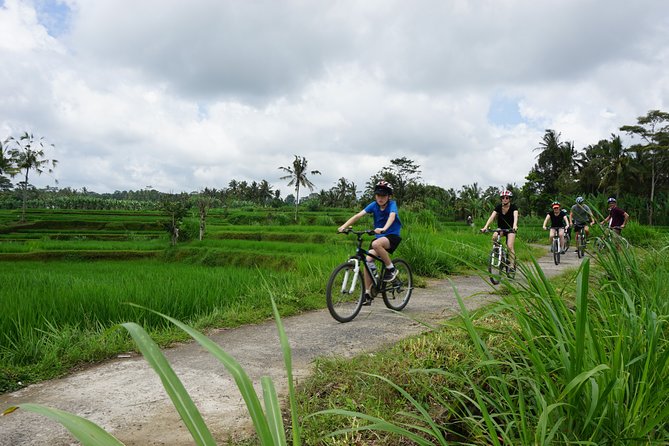
This tour is built around a simple idea: ride downhill, see countryside up close, and get context as you go. Starting from Kintamani means you’re not fighting endless climbs. Multiple riders describe the route as overwhelmingly downhill, with a gentle feel that still lets you feel the wind and the quiet of rural Bali.
The day runs about 7 to 9 hours, so it’s long enough to matter, but not so long that you spend the whole day sitting in a car. If you like active travel with a purpose, this one fits well: bike time, then short stops where the guide helps you connect dots between religion, farming, and daily routines.
You’ll also get a structured route with set pauses. That matters in Bali because the best bits are often off the main roads, but getting lost is not the move. The guide approach here is practical: easy directions, hazard awareness, and help if you lag behind.
You can also read our reviews of more cycling tours in Ubud
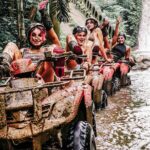
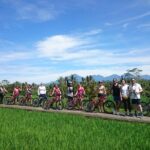
Pickup from Ubud and the first coffee break at Greenbike Adventure
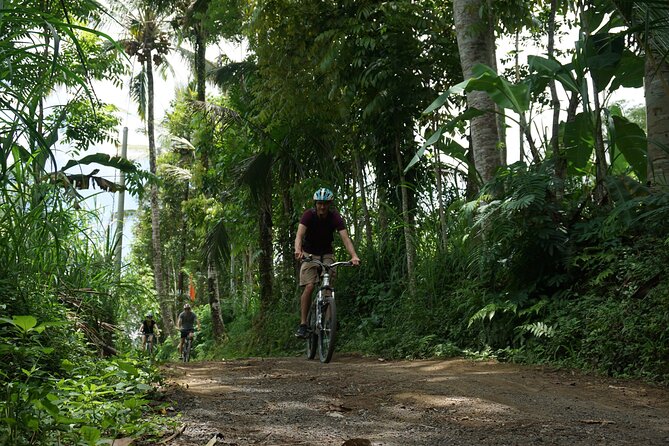
The day starts with round-trip transport from Ubud, then you head up for the first refresh at Greenbike Adventure. You’ll have a coffee break with a choice like pancake or a smoothie bowl, and the tour notes that gluten-free requests can be accommodated.
This early stop is more than a caffeine moment. It’s a reset before you ride, and it also gives you time to get your body ready for warm, humid conditions. If you’ve ever tried cycling in sandals, you’ll be grateful for the guidance and the pause before you start moving.
One practical tip I’d follow: treat this as your last chance to apply sunscreen properly. You’re outdoors for long stretches afterward, and you’ll have plenty of stops where you’ll be tempted to skip reapplying.
Tegalalang rice terrace: a short stop with a big payoff
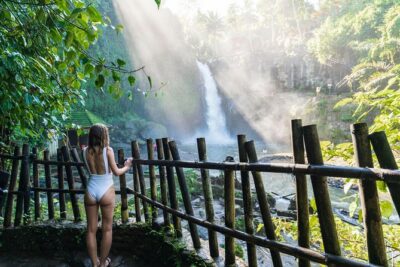
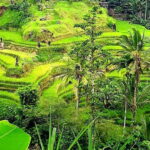
Next is a quick photo stop at Tegallalang rice terrace. The stop is brief—around 15 minutes—so the goal is simple: get your bearings, take pictures, and keep the day flowing.
What makes this stop worthwhile is timing and scale. Tegalalang is a Bali classic, and even a short stop lets you recognize the farming patterns you’ll see later on the ride. It’s also a good moment to practice your “count the terrace steps” eye, because you’ll notice how irrigation and water management shape everything.
Don’t overthink it. This is a quick viewpoint moment, not a long walk. If you want deep wandering time in rice country, plan to come back on another day.
Kintamani and Abuan: where your downhill ride begins
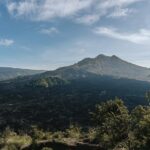
You start the bike ride from Abuan Kintamani village, with time around 30 minutes. This is the transition point from transport day into cycling day. You’ll get set up and ready, and you’ll feel the landscape shift toward countryside and smaller lanes.
This is also where the tour starts delivering on the promise of “away from the crowds.” Instead of spending your day watching traffic from viewpoints, you’re riding through areas that feel more local and less staged.
As you begin descending, keep one rule in mind: let the bike roll, but stay in control. Even when the ride is easy, you’re still navigating rural roads—so you want consistent braking and attention.
Inside an Abuan home visit: religion and daily life through real routines
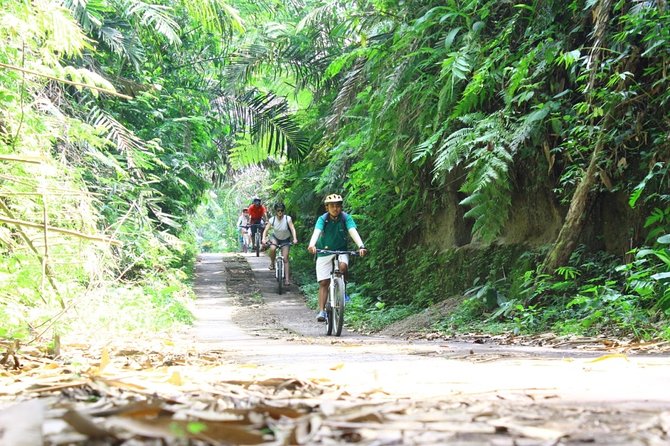
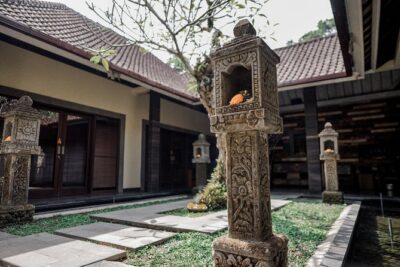
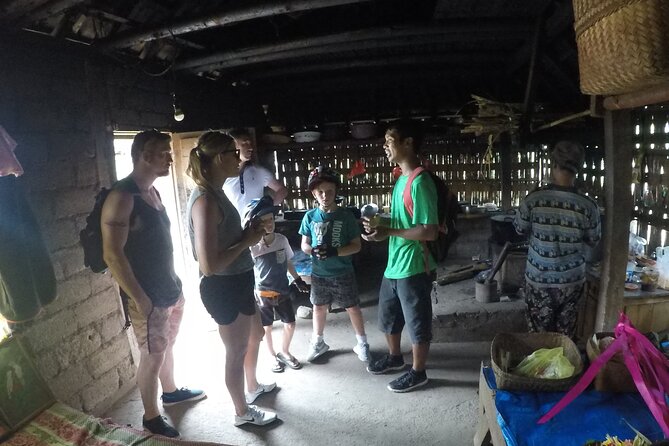
After that first segment, you move into a more personal stop: visiting a local house in Abuan village for about 45 minutes. This is where the tour shifts from scenery to people.
You should expect conversation-style learning, not museum-style lecturing. The tour focuses on everyday Bali—how religion fits into daily life, and how families organize work around farming and temples. Based on rider comments, guides tend to explain what you’re seeing as you walk through the space, so you can ask questions without feeling like it’s scripted.
This kind of visit is valuable because it gives you the “why,” not just the “what.” Rice terraces are beautiful, but they’re also labor systems. Homes connect that labor to beliefs, community, and seasonal rhythm.
Just remember: this is still someone’s daily life. Keep your voice calm, follow the guide’s lead, and treat it like a respectful invitation.



Taro Village coffee and Gunung Raung Temple
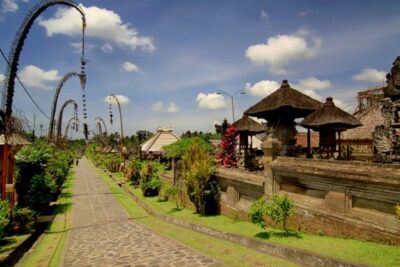
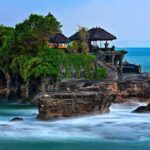
Then you reach Taro village, where you get a coffee break and a cultural stop at Gunung Raung temple. The time here is about 1 hour.
This is a great pause to slow down. Cycling days can get a little “focus mode,” especially if you’re paying attention to gears and narrow roads. At Taro, you get a reset: drink something, regroup, and shift your brain from riding to observing.
The temple visit also adds an easy-to-understand anchor for the day. You’re not just riding past places; you’re learning the significance of them. You’ll likely hear how temples relate to village life and how the community organizes around spiritual events and farming cycles.
Bresela rice fields and irrigation you can actually see
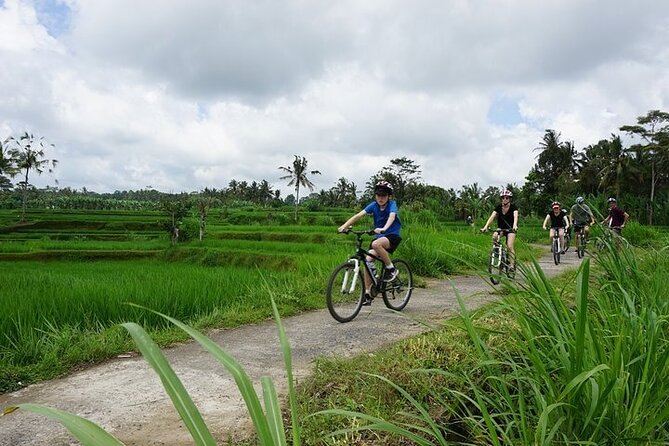
In Bresela, the focus turns to the practical side of agriculture: you stop in the rice fields to see how the irrigation system works. Time here is about 45 minutes.
I like this stop because it turns “pretty terraces” into something you can understand. Irrigation is the skeleton of rice farming. Once you start noticing water channels and how water is distributed, those terraces stop being just a photo background and start making sense.
If you’re a “show me how it works” traveler, this portion will feel satisfying. It also helps you connect earlier culture talk to something physical you can observe with your own eyes.
Take a moment to look for the water flow logic rather than just the greenery.
Payangan finish: Hyang Api Temple
Your ride finishes at Hyang Api Temple in Payangan, with about 30 minutes at the end point. This is the natural “come down from adrenaline” moment.
Finishing at a temple works well for two reasons. First, it gives closure to the cycling route. Second, it gives you a calm setting to look at what you rode through, especially if you want one last photo or a quiet moment before lunch wrap-up activities.
Keep your feet moving and your water intake steady. End points can feel celebratory, but the day is still long.
Greenkubu Cafe lunch and the swing stop
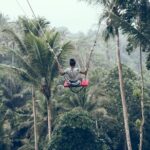
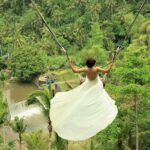
Next is lunch at Greenkubu Cafe, about 1 hour. The tour includes lunch here, and an admission ticket is listed for this stop as well. There’s also mention of a swing, so you can expect some photo-friendly downtime.
This is a good time to check in on your body. If you’ve been gripping handlebars too tight or riding tense, lunch is where you’ll notice it. I’d take the lunch break seriously: eat well, drink water, and don’t rush right back into photos.
Also, since the ride is mostly downhill, people sometimes underestimate how warm it can get. A real meal helps you feel human again.
The manual bike reality: control beats confidence
This is a manual bike tour, which means you’re not just steering and coasting. You’ll be working with the bike’s gearing and ride feel. For many people, the downhill nature keeps it comfortable, but manual still requires attention.
A few rider notes point out that bike performance can vary. One person mentioned gears slipping and jamming and ended up falling. I’m not saying that will happen to you. I am saying you should do two quick checks before you set off: confirm the brakes feel solid and run your hands through the gear controls so you know how they respond on your ride.
Now for the good news: the route is designed to be easy. Multiple comments describe it as about 95% downhill and guided in a way that helps you avoid stress. The guide’s job isn’t just storytelling—it’s making sure you know where you’re going and what hazards to watch for.
If you’re comfortable riding a manual bike and you’re willing to slow down on narrow turns, you’ll probably find this tour pleasantly doable.
Guide teamwork and safety: front lead plus sweep support
One of the strongest themes from the experience is guide quality. Riders repeatedly mention friendly guides who explain Bali in plain language and help with safety.
You’ll typically ride with a lead guide and a sweep guide, meaning one person stays up front and another keeps track of everyone behind. This setup matters on rural roads. It reduces the “everyone disappear into the countryside” risk and improves safety when there are uneven patches.
Guides also help you with route confidence. Comments mention easy directions and “pointing out hazards,” which is exactly what you want when roads are sometimes narrow or have potholes.
For your part: ask the guide what the tricky sections are going to feel like, especially at transitions or when you approach areas with cars, dogs, or road bumps.
Price and value: $33 for a day with transport, food, and teaching
At $33 per person, this is priced like a budget-friendly day tour, but the mix of included items gives it better value than you might expect at first glance.
Here’s what you’re paying for in practical terms:
- Round-trip transport from Ubud
- Coffee break(s) with included items (plus gluten-free requests noted)
- Lunch and snacks
- A guide who handles route flow and explanations
- Stops with included admissions at least at the coffee start and the lunch cafe
Even if you don’t count the cultural stops as “value,” you still get a guided day with food and transport bundled together. That can be cheaper than hiring a driver for the whole day and paying for separate entrances and meals.
Balanced view: if you’re hunting for a hard workout, you might feel under-challenged. The day is mostly downhill and designed to be manageable. But if you want an authentic countryside day that still feels active, this price feels fair.
Who this tour suits best
This works well for:
- People who can ride a bike confidently on paved or semi-paved roads
- Travelers who want rural Bali without renting a scooter
- Anyone who likes short culture stops—coffee, village homes, irrigation, and temples—without turning the day into a classroom
The tour notes that most travelers can participate, and there’s an age range listed (including children age 6 to 12). One rider also mentioned kids enjoying the cycling tour, and another said the guides took extra care with small children, which suggests the team can adapt when needed.
If you’re extremely new to biking or you don’t want to deal with gearing, consider this carefully. The ride is easy in profile, but it’s still a manual bike day with real roads.
What to bring: shoes, sunscreen, and small essentials
The tour recommends:
- Walking/sport shoes
- Sunscreen
- A small backpack for your camera/video
I’d add two habits that match what riders emphasize:
- Bring bug spray, especially if you’re easily bothered by mosquitoes.
- Wear breathable clothes and plan on rehydrating. Cycling in Bali can feel hotter than you expect, even if the ride is mostly downhill.
For comfort, keep valuables minimal. You’ll be stopping and moving, and you don’t want to manage a big bag all day.
Should you book the Kintamani Cultural and Nature Cycling Tour?
I’d book it if you want a countryside Bali day that’s active but not punishing, with guide-led explanations that connect rice terraces, temples, and daily life. The best part is the combo: downhill riding plus real cultural stops, with transport and meals handled for you.
Skip it or at least think twice if you’re uncomfortable on a manual bike or you hate narrow, bumpy rural roads. If you’re worried about gear control, arrive ready to do a quick bike check and take it slow at the first descent.
If you match that sweet spot—bike comfort, curiosity about rural life, and a willingness to ride thoughtfully—this is one of the more rewarding ways to experience Ubud and Kintamani in a single day.
FAQ
How long is the Kintamani Cultural and Nature Cycling Tour?
The tour lasts about 7 to 9 hours.
Is pickup and drop-off included from Ubud?
Yes. Round-trip transport from Ubud is provided, and pickup is offered.
Is the bike manual or electric?
This is a manual bike tour.
What’s included for food and drinks?
You’ll have a coffee break with food items, plus lunch and snacks during the tour.
Are admission tickets included?
Admission ticket inclusion is listed for the coffee break stop at Greenbike Adventure and for the lunch stop at Greenkubu Cafe. Other listed stops are marked as free.
What are the main ride and stop highlights?
You’ll cycle from the Kintamani area, pass rice terraces and villages, and stop for things like the Tegalalang rice terrace photo stop, a local house visit, coffee at Taro, irrigation in Bresela, and temple stops including Gunung Raung and Hyang Api Temple.
Is it mostly downhill?
The ride starts downhill from the Kintamani area, and riders describe it as very downhill-focused.
What should I wear or bring?
Wear walking or sport shoes. Bring sunscreen, and consider a small backpack for a camera or video. Bug spray is also a good idea.
How big are the groups?
The tour/activity has a maximum of 50 travelers.
What’s the cancellation policy?
Free cancellation is available up to 24 hours before the experience start time for a full refund.