REVIEW · 5-DAY EXPERIENCES
Exploring Bali in 5 Days: Completed Journey of Discovering Bali
Book on Viator →Operated by Eco Bali Tours - Day Tours · Bookable on Viator
Five days, five Bali regions, zero guesswork. This tour stands out because it strings together east, west, north, south, and central Bali with a private driver and entrance fees included. One heads-up: it’s a fast-paced schedule, so you’ll want comfy shoes and patience for long days in the car.
I especially like that meals are built in—four restaurant lunches plus a seafood dinner in Jimbaran Bay. Pickup from many south Bali and Ubud addresses also cuts down the daily hassle of figuring out transportation.
Still, this is not a slow-and-steady Bali plan. Some stops (like Handara Gate and Uluwatu) are photo magnets, so if you dislike crowds, go in with realistic expectations and let your driver manage timing.
In This Review
- Key things that make this tour work
- What this Bali 5-day circuit really does for you
- Day 1 in Ubud: monkeys, palace courts, market finds, and the Kintamani look
- Sacred Monkey Forest Sanctuary
- Ubud Palace
- Ubud Traditional Art Market
- Kintamani Highland (volcano views)
- Tegalalang Rice Terrace
- Tegenungan Waterfall
- Day 2 North Bali: temples by the lake, Jatiluwih terraces, and Tanah Lot
- Taman Ayun Temple
- Leke Leke Waterfall
- Ulun Danu Bratan Temple
- Candikuning Fruit Market
- Jatiluwih Rice Terrace
- Tanah Lot Temple
- Day 3 Central to North: Sekumpul Falls, Wanagiri Hills, Handara Gate, and Kayu Putih
- Sekumpul and Fiji Waterfall
- Wanagiri Hidden Hills & Bali Swing
- Handara Iconic Gate
- Bayan Ancient Tree (Kayu Putih)
- Day 4 East Bali: Lempuyang Temple, Tirta Gangga, Ujung Water Palace, and Virgin Beach
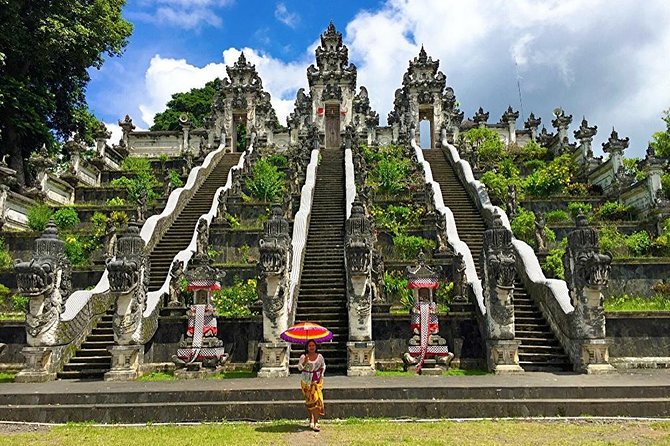
- Lempuyang Temple
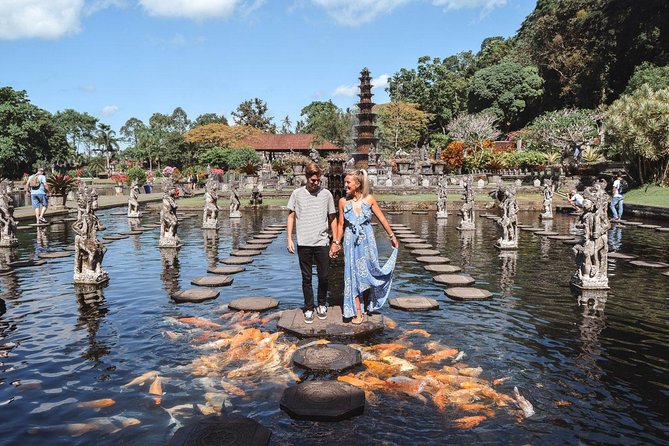
- Tirta Gangga Water Palace
- Ujung Water Palace
- Virgin Beach
- Day 5 South Bali: GWK, Uluwatu, kecak fire dance, and Jimbaran seafood
- Garuda Wisnu Kencana Cultural Park (GWK)
- Uluwatu Temple
- Kecak and Fire Dance
- Jimbaran Bay seafood dinner
- Pace, timing, and comfort: living the 8:00 am start
- Price and value: what $315 covers and why it can make sense
- Who this tour suits best (and who should rethink it)
- Should you book this 5-day Bali tour?
- FAQ
- What is the tour duration?
- Where does the tour take place?
- What time does the tour start?
- Is this a private tour or shared group?
- What is included in the price?
- Is there a mobile ticket?
- Can I do the tour on consecutive days?
- Do I need to pay admission fees at the stops?
- How much does it cost?
- What is the cancellation policy?
Key things that make this tour work
- Entrance fees included for every stop, so your budget stays predictable.
- A day for each main Bali area (north, east, west, south, central), so you cover a lot without backtracking.
- Private, group-only touring means your day isn’t shaped by other peoples pace.
- Driver skill can save time, with examples like Agus finding faster routes and Irwan being flexible.
- Meals are handled (four lunches + Jimbaran seafood dinner), so you can focus on sights.
- Small help boosts the experience, including guides taking photos and even extra touches like feeding fish with purchased bread.
What this Bali 5-day circuit really does for you
This is the kind of Bali plan that helps you get your bearings fast. Bali can be confusing for first-timers: islands, temples, waterfalls, rice terraces, beaches—everything exists, but they’re scattered. This tour solves that by organizing your days around geography: you spend one day on north Bali, one on east, one on west, one on south, and one on central (with Ubud as your home base for the first day).
The big value piece is that entrance fees are included for the sites you visit. That matters because Bali attractions often stack up quickly once you add tickets. With this package, you can treat your day as a sequence of stops instead of doing math every time you park.
You also get private transfers from many south Bali and Ubud addresses, which is a practical win. Instead of hunting for a ride, you’re already in motion at 8:00 am, and your driver is doing the route planning.
Finally, there’s the human part. Eco Bali Tours is set up around day-tour driving and guiding, and some drivers are described as going beyond basic transport. One group highlighted Agus using secret roads to shave time and avoid the worst traffic. Another praised Irwan as incredible and very accommodating.
You can also read our reviews of more tours and experiences in Ubud.



Day 1 in Ubud: monkeys, palace courts, market finds, and the Kintamani look
Day 1 is all about Ubud plus the highlands around it. It’s a strong opener because it gives you three Bali flavors early: nature (rice and waterfalls), culture (palace and temple-style heritage), and the local day-to-day (market life).
Sacred Monkey Forest Sanctuary
The day starts at Sacred Monkey Forest Sanctuary, home to long-tailed macaques. This stop is popular for a reason: you get a shaded nature walk paired with Balinese village-owned forest energy. The main thing to plan for is that monkeys are… monkeys. Expect them to be curious and expect some attention on photos, especially around the pathways. Give yourself time to move slowly and you’ll enjoy it more.
Ubud Palace
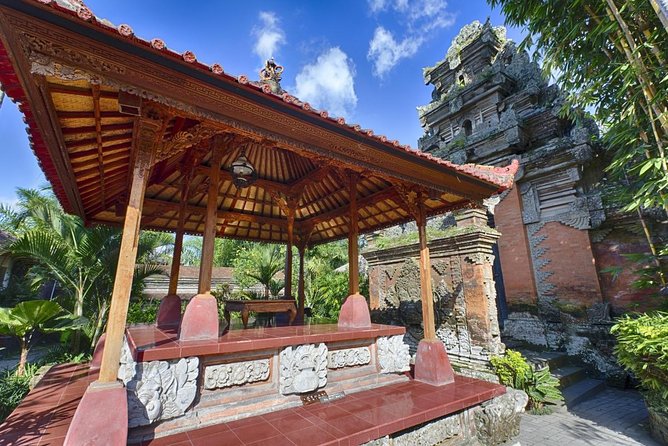
Next is Ubud Palace (Puri Saren), a short stop that’s easy to digest. It’s not a long museum day; it’s more like a cultural orientation: you see where local palace life echoes in the city center. Even with the quick timeframe, it helps you understand Ubud’s center-of-gravity feeling.
Ubud Traditional Art Market
Then comes Ubud Traditional Art Market, where the stalls are packed with the usual Bali souvenir categories: silver jewelry, precious stones, batiks, T-shirts, sarongs, wood carvings, and cane bags. I like this timing because your market expectations are still fresh—you’re not too tired yet to bargain clearly or to compare items side by side.
If you’re shopping, do it with a plan. Don’t buy the first thing you like. Walk, compare, then buy.


Kintamani Highland (volcano views)
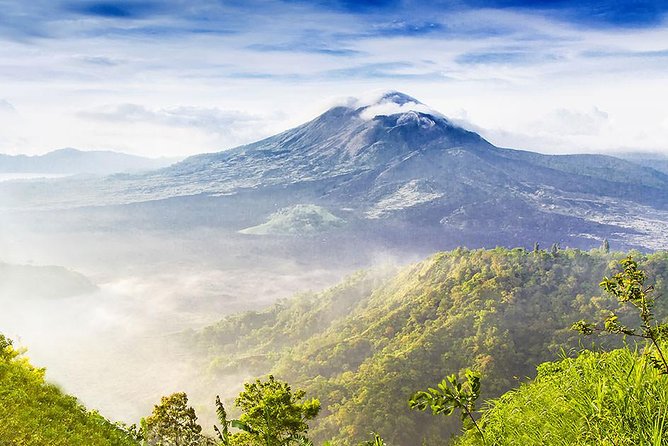
Kintamani Highland is next, anchored by the Kintamani Volcano viewpoint. This is where the tour gives you that classic Bali upper-air experience: cooler air, a broad view, and a change from the dense green of Ubud. It’s a “reset” stop in the best way—different scenery, different light, different pace.
Tegalalang Rice Terrace
Tegalalang Rice Terrace is one of the most photographed rice terraces in Bali. It’s scenic because it’s steep and layered—viewpoints drop down into the paddies. You’ll get the breezy roadside feeling and those valley-spreading views. The tradeoff is that it’s popular, so expect busy photo moments.
Tegenungan Waterfall
Day 1 ends at Tegenungan Waterfall, a popular waterfall stop that’s convenient if you’re already based near Ubud. Waterfall time is a good finale because it feels active—something physical after days of temples and markets.
Day 2 North Bali: temples by the lake, Jatiluwih terraces, and Tanah Lot
Day 2 is a north-country loop that makes Bali feel bigger. You’re moving from inner-area heritage to cooler highlands and then out to the coast.
Taman Ayun Temple
Start at Taman Ayun Temple, known as a longtime tourist attraction on the route toward Singaraja via Bedugul. It’s a temple visit that feels like stepping into a maintained cultural landscape: you’re not rushing to five different viewpoints. This stop gives structure to your day.
Leke Leke Waterfall
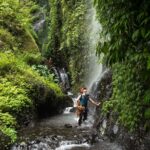
Then you head to Leke Leke Waterfall, tucked into a rock crevice setting with jungle surroundings. Photos might not always show the full scale, but the setting is what matters: it’s nature-forward and more secluded than some waterfalls.
Ulun Danu Bratan Temple
Next is Ulun Danu Bratan Temple, set by Beratan Lake with hills and a cool atmosphere around it. This stop is special because it mixes temple architecture with big water-and-sky views. It’s also a useful mid-day energy swing—after waterfall greenery, you get reflective scenery by the lake.
Candikuning Fruit Market
A quick stop at Pasar Candi Kuning (Candikuning Fruit Market) adds a local flavor that’s different from the temple and tourist-temple circuit. You’ll see fresh fruit and vegetables displayed from mountain agriculture. Even if you don’t buy anything, it’s one of the best places to feel Bali’s everyday rhythm.
Jatiluwih Rice Terrace
Then comes Jatiluwih Rice Terrace, described as a place where you get beautiful views spread across the terraces. This is one of those stops that rewards slow looking. Don’t just take one photo and move on—pan around and notice how the terraces step into the distance.
Tanah Lot Temple
Finally, Tanah Lot Temple closes the day at the coast on a rocky island. It’s dedicated to guardian spirits of the sea, and it gives you that cinematic “temple meets ocean” feeling. This stop also helps you mentally link Bali’s geography: the inland days flow naturally into the sea-temple finale.
Day 3 Central to North: Sekumpul Falls, Wanagiri Hills, Handara Gate, and Kayu Putih
Day 3 is the day many people look forward to because it stacks multiple iconic nature-photo moments. It’s also where the walking time can feel more demanding, depending on the routes you take at each stop.
Sekumpul and Fiji Waterfall
The highlight is Sekumpul and Fiji Waterfall, with Sekumpul described as Bali’s most spectacular cascades—seven tall, misty waterfalls gathered in one area. The experience here is more than a quick photo stop. It’s long enough to feel like you’re in the middle of something, not just watching water from the curb.
One review detail I find useful: someone struggled with the climb out of a canyon and the local guide, Anggi, stayed patient. That’s a reminder that waterfall days aren’t always “sit and look.” If you have leg stamina, this day will feel worth it fast.
Wanagiri Hidden Hills & Bali Swing
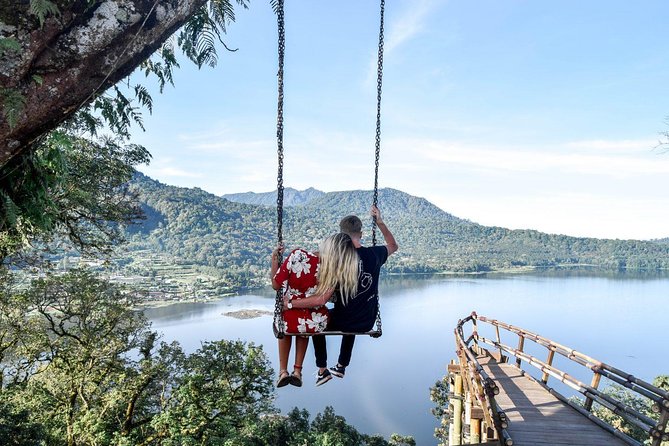
Next: Wanagiri Hidden Hills and Bali Swing. This is the kind of place that’s built for photos—viewpoints and staged angles. If you’re not into swings, you can still enjoy it as a hill lookout day. Either way, plan for time spent positioning for the shots.
Handara Iconic Gate
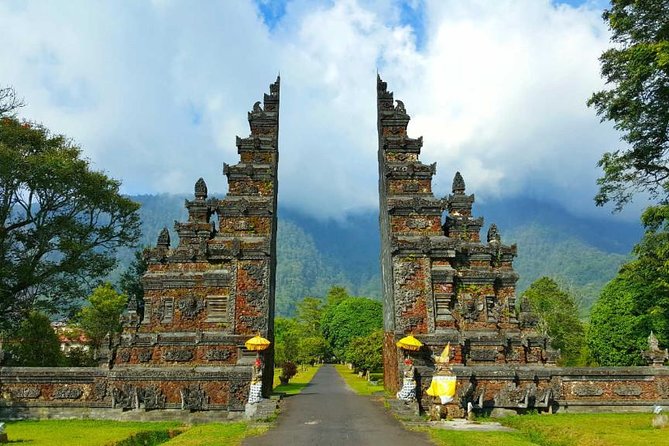
Then comes Handara Iconic Gate, often called one of Bali’s top Instagrammable locations. It’s famous because it frames the path like a postcard: gate, greenery, and that “serenity” vibe in one composition.
The practical consideration: it’s popular. Go with your expectations set to wait for the perfect angle.
Bayan Ancient Tree (Kayu Putih)
Day 3 closes at Bayan Ancient Tree, also known as Kayu Putih (a giant tree believed to be among Bali’s oldest and biggest). It’s described with a fairy-tale feel, and that’s accurate in terms of atmosphere: it’s a quick stop with a strong wow-factor, especially when the light hits right.
Day 4 East Bali: Lempuyang Temple, Tirta Gangga, Ujung Water Palace, and Virgin Beach
East Bali is where the tour shifts from “photo and water” into more cultural architecture and water-palace settings. It also feels a little less like a checklist and more like a journey through distinct zones.
Lempuyang Temple
Start at Lempuyang Temple, one of Bali’s oldest and highly regarded temples, on par with Besakih. It’s also believed to predate many other Hindu temples. This matters because you’re not just seeing a modern tourist stop—you’re seeing an anchor site in the island’s temple storyline.
Tirta Gangga Water Palace
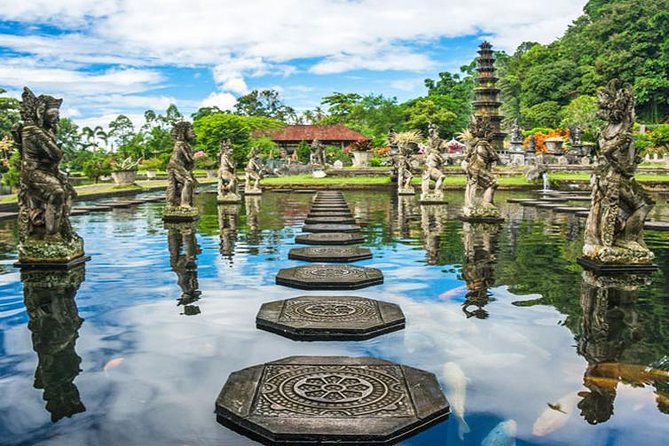
Next is Tirta Gangga Water Palace, in rice fields around natural springs in the Rejasa area. Water palaces in Bali are beautiful because they’re built around the idea of flow and reflection. This stop gives you a calmer break from waterfall tempo, with a more structured layout to look around.
Ujung Water Palace
Then it’s Ujung Water Palace, also known as Ujung Park or Sukasada Park. This former palace setting around Amlapura gives you another water-and-garden feel. The two water palace stops together create a strong theme day: temple-to-spring logic, then palace-to-promenade logic.
Virgin Beach
Finally, Virgin Beach rounds it out with panoramic ocean views and a wide swimming-feeling area. The tour description notes calm seawater and a breeze. This is a good finale stop because it’s less temple-focused and more about open-air relaxation.
One practical note: beach time at the end of a long day is where people either feel refreshed or feel wiped out. If you still have energy, take the scenic walk and don’t only chase photos.
Day 5 South Bali: GWK, Uluwatu, kecak fire dance, and Jimbaran seafood
Day 5 is your south Bali crescendo. It’s built to deliver big cultural moments and a proper end-of-trip meal.
Garuda Wisnu Kencana Cultural Park (GWK)
You start at Garuda Wisnu Kencana Cultural Park, famous for the huge Garuda Wisnu Kencana statue (121 meters). Even if you’re not a statue person, the scale is the point. It’s the kind of landmark that makes you understand why people call Bali iconic.
Uluwatu Temple
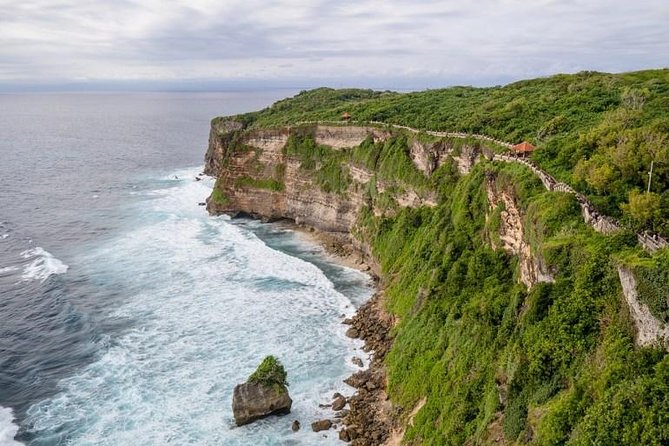
Next is Uluwatu Temple, a key temple tied to the holyman Mpu Kuturan and older Bali cults. This is a temple stop with drama built in—sea-air, cliff energy, and that classic south Bali sunset vibe.
Kecak and Fire Dance
Then it’s Kecak and Fire Dance. The description explains that about 50 men perform it by shouting CHAK, with a story theme taken from the Ramayana. This is one of the best ways to end a Bali circuit because it’s living culture, not just a location stamp.
If you care about timing, this is where you’ll want to arrive with enough buffer to find your view and settle in.
Jimbaran Bay seafood dinner
The day ends with Jimbaran Bay, where cafes along Jimbaran and Kedonganan offer seafood choices like a night market feel. The structure is simple: you choose your seafood, and you get that end-of-tour reward dinner after five days of movement.
I like this placement because it’s both relaxing and celebratory. You’ve earned the meal.
Pace, timing, and comfort: living the 8:00 am start
This tour starts at 8:00 am, and that early start helps you fit a lot into limited daylight hours. One review detail I think you should take seriously is that many days can run until 6 or 7 pm, especially when the driver is working traffic and routing smartly.
That means you should pack for long days. Bring water, wear breathable clothes, and keep something light for snack energy. Also, treat each stop as a timed moment, not a half-day hangout. If you want linger-time at beaches or you hate pressure, you might feel squeezed.
The good news is you aren’t self-navigating. Your driver is there to handle the route and help your day move forward. And if you want flexibility, some guides have been willing to adjust the plan to match tastes. One example: Surya made small changes based on what someone wanted to see and also added helpful extras like recommending a good monkey photo moment and buying bread to feed fish.
Price and value: what $315 covers and why it can make sense
The price is $315 per person for about five days. On paper, that might sound high if you’re used to booking cheap tickets and winging the rest. But the value logic here is straightforward:
- Entrance fees are included, so your attraction costs aren’t a surprise add-on.
- You’re paying for a private driver across multiple regions, not just one day in one neighborhood.
- You get four restaurant lunches and a seafood dinner in Jimbaran, which saves you time and effort deciding meals every day.
One review comment puts it in real terms: a group of four felt the tour was a bargain because the driver time plus meals and included admissions added up to less than piecing it together day by day. Even if you travel solo, the value still comes from reducing the coordination burden.
If you’re comparing costs, don’t just compare the driver fee. Add up tickets and daily meal costs and ask yourself how much stress you want to carry.
Who this tour suits best (and who should rethink it)
This tour is a great match if you want to see major Bali regions without spending your vacation doing logistics. It also works well if you like the “variety day” style—temples one day, waterfalls the next, terraces after that.
It’s especially good if you travel in a way where a private driver matters: couples, friend groups, and families who want a calmer plan than public transport juggling. One review specifically praised a driver being accommodating with four kids, which is a useful signal that this can work for family pace as long as you’re open to a structured day.
Who might reconsider? If you want slow beach mornings, long spa afternoons, or you hate a tight schedule, five days of packed stops might feel like a lot. You could still do it, but plan at least one lighter day before or after so the tour doesn’t steal all your downtime.
Should you book this 5-day Bali tour?
I’d book it if you want a strong overview of Bali’s regions and you like the idea that entrance fees and meals are handled. It’s also ideal if you value a driver who can help you move efficiently—examples include Agus using secret roads to cut time and Irwan being flexible and accommodating.
I would not rush-book if you’re sensitive to crowds at popular photo stops or if you want long, unstructured time in just one area. This tour is designed to cover ground, and it does that on purpose.
If you’re deciding right now, here’s my simple rule: if you want Bali’s highlights in one trip without planning headaches, this is a smart use of time. If your dream is slow travel and lots of empty hours, consider trimming stops or adding extra downtime around the tour.
FAQ
What is the tour duration?
The experience lasts about 5 days.
Where does the tour take place?
It’s based in Ubud, Indonesia, and the route explores multiple parts of Bali, including east, west, north, south, and central.
What time does the tour start?
The start time is 8:00 am.
Is this a private tour or shared group?
It’s a private tour/activity, so only your group participates.
What is included in the price?
Entrance fees are included, and the tour includes pickup offered from many south Bali and Ubud addresses. It also includes four restaurant lunches and a seafood dinner in Jimbaran Beach.
Is there a mobile ticket?
Yes, there is a mobile ticket.
Can I do the tour on consecutive days?
You could do the tours in 5 consecutive days, or you can take one or two days break based on your vacation length.
Do I need to pay admission fees at the stops?
Entrance fees are included for the stops listed.
How much does it cost?
The price is $315.00 per person.
What is the cancellation policy?
Free cancellation is available if you cancel up to 24 hours in advance of the experience’s start time, with a full refund.