REVIEW · CYCLING & E-BIKE TOURS
Downhill Cycling Ubud with Volcano, Rice Terrace and Educational
Book on Viator →Operated by The Trip Bali · Bookable on Viator
Downhill cycling in Bali is rare fun. This day trip turns a volcano-to-valley view into an easy ride, with rice-field culture and a coffee tasting stop built in. You’ll pedal mostly downhill for about 2.5 hours, then slow down to learn how people farm, live, and worship in the Ubud–Kintamani countryside.
I like that the tour is set up for normal visitors: bikes and helmets are included, and meals are covered (breakfast plus a proper Balinese lunch like nasi campur). I also like the human part—guides share local customs and folk stories, and I’ve seen guides named Ade and Dewa praised for their English and storytelling.
One consideration: bike quality and communication can be hit-or-miss. A couple of people reported older bikes, brakes that felt less than perfect, or helmet supply issues, and one unhappy case mentioned the pickup didn’t show up. I’d plan to confirm your meeting point the day before and do a quick safety check at pickup.
In This Review
- Key highlights you’ll actually feel on the day
- Downhill From Mount Batur: Why the ride feels manageable
- Kintamani volcano views and rice-terrace country stops
- Coffee tasting at Ubud forest viewpoints (and the real coffee talk)
- Meals included: Balinese breakfast and nasi campur lunch
- The Ubud pickup and what “about 7 hours” really means
- Bikes, helmets, and safety checks that make a difference
- Value for $25: what you get beyond the bike ride
- Who this tour suits best (and who should think twice)
- Should you book this downhill cycling in Ubud?
- FAQ
- What’s included in the price?
- How long is the tour and how long do you cycle downhill?
- Is hotel pickup and drop-off included in Ubud?
- Are bikes and helmets provided?
- What food and drinks should I expect?
- How big are the groups?
- Can I cancel for a full refund?
Key highlights you’ll actually feel on the day
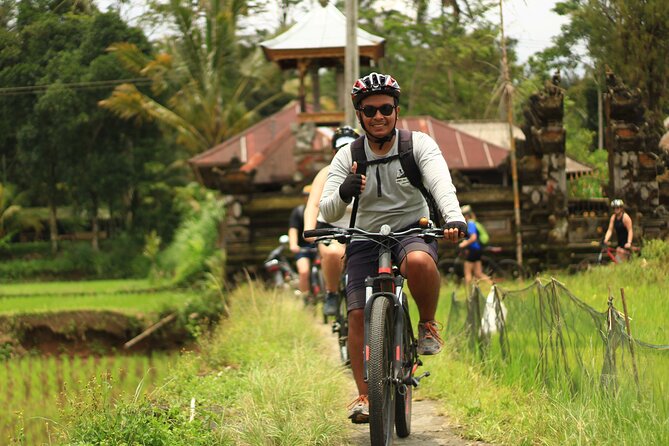
All-downhill riding for about 2.5 hours so the day stays fun, not exhausting
Breakfast, lunch, and coffee/tea tasting included (no food scrambling)
Professional English-speaking guides with culture and farm explanations
Small group size (max 12) for a calmer experience on trails
Photo support during the cycling portion so you don’t miss the views while holding a phone
Round-trip transport within Ubud for an easier start and finish
Downhill From Mount Batur: Why the ride feels manageable
The big promise here is simple: you get a downhill cycling tour that starts high and works its way toward the valley. The rhythm is easy to understand. You’ll drive up from Ubud toward the Kintamani volcano area, reach the top of the hills, and then spend real time coasting down routes that pass village lanes, jungle edges, and working fields.
The fitness level is described as moderate. In plain terms, you don’t need to be a training cyclist, but you do need to feel comfortable staying balanced and steering for long stretches. Trails can include uneven patches and dirt sections, so if you’re nervous on a bike, this is still doable—but take your time when the guide slows the group.
One thing I’d take seriously is braking. Several comments praised how smooth and safe the route felt, but others pointed out bike maintenance needs—especially around brakes. That doesn’t mean the whole operation is unsafe, but it does mean you should treat your first minutes like a test drive: squeeze the brakes, roll a few meters, and ask the guide to check anything that feels weak.
Also, downhill doesn’t mean effortless. You’ll still need to pedal occasionally, and you’ll likely spend effort scanning the trail ahead and keeping a steady line with the group. The tradeoff is that you don’t slog uphill for hours to earn the views.
You can also read our reviews of more cycling tours in Ubud
Kintamani volcano views and rice-terrace country stops
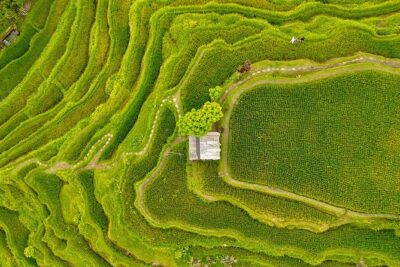
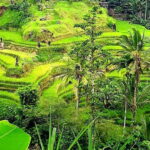
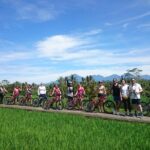
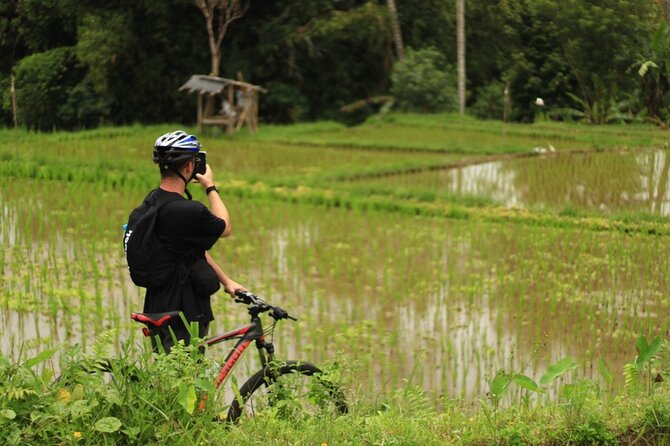
This ride is tied to Bali’s dramatic vertical geography. You start near the Mount Batur / Kintamani area, and as you descend you pass through the parts of Bali that don’t look like postcard resorts. You’ll see farmland patterns that follow the land’s contours, including rice terraces and green valley stretches.
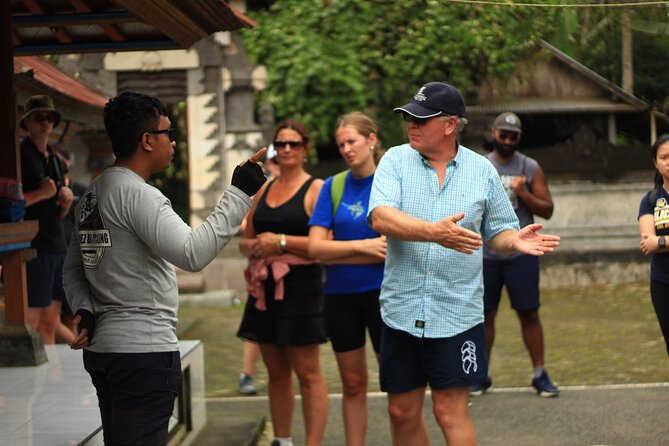
The cultural stops are what make this more than a scenic bike ride. There’s time set aside to visit a local family compound (the tour includes learning about Balinese culture and the local rice fields). People also noted stops that can include family homes, school areas, temples, and even cemetery viewpoints—short, respectful glimpses where the guide explains what you’re seeing and why it matters.
Here’s what makes these stops valuable for you: they’re not museum-style explanations. You’re watching everyday life at a human pace. Rice farming isn’t a static backdrop; it’s seasonal work, household knowledge, and community rhythm. When a guide points out how fields connect to water systems and daily routines, the whole countryside clicks into place.
In one account, someone even got to participate in a rice harvest demonstration. You shouldn’t assume hands-on activity every day, but you can expect a “look and learn” moment where the guide helps you understand what’s happening right now in the fields.
Coffee tasting at Ubud forest viewpoints (and the real coffee talk)

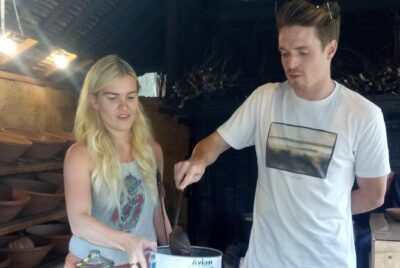
Food is handled well on this tour, and coffee is treated like a cultural stop—not just a caffeine break. The schedule includes coffee and/or tea tasting, and the coffee stop is described as having forest views around Ubud.
A few comments got specific about what gets tasted: luwak coffee (civet coffee) came up, along with assorted teas, and in at least one case chocolate was part of the tasting shop experience. Whether you’re a coffee person or not, this stop is worth your attention because the guide can explain why certain coffees became part of local business and identity.
Practical tip: coffee tastings can be dehydrating if you don’t drink water. Since bottled water is included during the cycling portion, you’ll have something on hand, but I’d still pace yourself.
Also, coffee stops can sometimes turn into a sales pitch on other tours. Here, the tasting is the headline, and most of the value comes from learning what you’re drinking and how the process works. Still, you’ll have the usual Bali option to buy something if you want, but purchases aren’t required.
Meals included: Balinese breakfast and nasi campur lunch
I love a tour that handles meals instead of just promising snacks. This one includes breakfast and lunch, plus bottled water during the ride and mineral water. The lunch is described as very delicious nasi campur (a mix plate that usually gives you a broader taste of Balinese food rather than one single dish).
Breakfast is also included and called a Balinese breakfast, with coffee or tea. Translation: you should start the day fueled, and you won’t be hunting for food in between stops while your energy crashes.
If you’re picky about food, take comfort in this: a nasi campur-style lunch typically means you can find a few items that work for you, and you’re eating somewhere local, not in a generic tourist café.
One small downside: you still might want sunscreen (it’s not included), and if you’re sensitive to spice, it’s smart to tell your guide when you’re ordering or choosing. The tour includes water, but it doesn’t mention special dietary options.
The Ubud pickup and what “about 7 hours” really means
The tour runs about 7 hours and includes round-trip transport for hotels in the Ubud area. In real-world terms, that means you’ll spend part of the day in the car heading up toward the volcano region, then the cycling block, then more time for stops and the lunch finish.
The order of operations matters. You’re not just dropped at a trailhead and left to your own devices. You start with breakfast, then move to the coffee stop and up toward the higher point for the downhill cycling. That helps you avoid the most common beginner pain point—arriving at the start tired, cold, and hungry.
Pickup details can make or break the day. One low rating mentioned a complete failure to collect at the hotel and poor message handling later. That’s rare based on the overall pattern, but it’s serious enough that you should take five minutes the day before your tour to confirm the meeting point and stay reachable.
If your hotel is in the Ubud area, pickup and drop-off are part of the value equation. You’re saving time and stress versus arranging your own transport to Kintamani, and it gives you more energy for the ride itself.
Group size is capped at 12. That usually keeps the experience from becoming a chaotic bike parade. It also helps with safety checks and makes it more likely your guide can watch everyone without rushing.




Bikes, helmets, and safety checks that make a difference
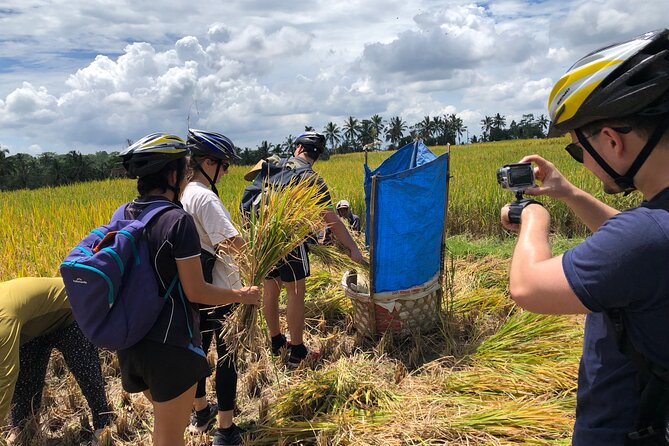
The essentials are included: bikes and helmet hire are part of the tour price, and a guide rides with you. Insurance coverage is also listed as included, which is a comfort factor when you’re doing active transport.
Still, gear quality can vary. A few comments praised the condition of the bikes and noted helmets being provided. Others mentioned bikes that weren’t brand-new and brakes that should be replaced soon.
So here’s my practical checklist before you roll:
- Check both brakes by squeezing hard and testing at walking speed
- Make sure your helmet fits snugly and doesn’t wobble
- Ask the guide about the route pace if you’re not an experienced cyclist
- Hold your line in corners—downhill fun gets sketchy when people panic
- Plan for wind at higher points and carry a thin layer if you get cold easily
Also remember that sunscreen isn’t included. If you burn easily, bring it. You’ll likely be in sun at viewpoints before and after your ride, and it’s better to handle that early than after your skin starts arguing with you.
Value for $25: what you get beyond the bike ride
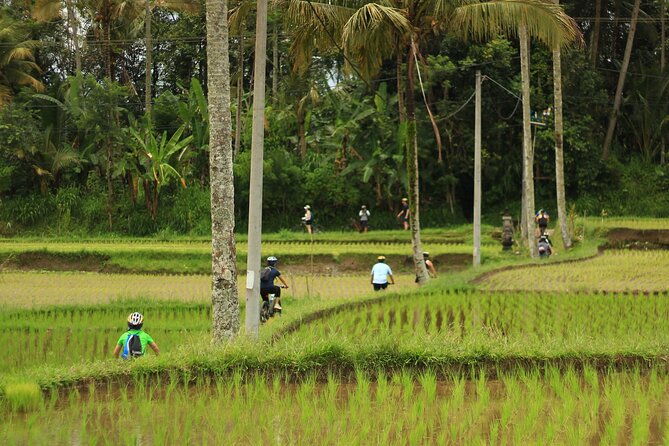
At $25 per person, the strongest value isn’t just “cheap cycling.” It’s what’s bundled into the price.
You’re paying for:
- Breakfast and lunch
- Coffee/tea tasting
- Bike and helmet hire
- English-speaking guide
- Insurance covered
- Round-trip hotel transport within Ubud
- Mineral water during cycling
- A photographer during the cycling portion
That’s the kind of package that matters in Bali, where costs add up fast once you start paying separately for transport, meals, guide time, and activity extras. Even if you only care about the downhill portion, the included meals and pickup protect your budget from hidden costs.
The photographer is a nice touch too. It means you can enjoy the ride without constantly stopping to take photos. The result is less time off the bike and more time moving through the countryside.
What you don’t pay for includes money for purchases and sunblock lotion. That’s normal, and it keeps the base price competitive.
Who this tour suits best (and who should think twice)
This tour is best for you if:
- You want active sightseeing without a punishing workout
- You like culture and food stops, not just scenery
- You’re comfortable riding a bike on mixed surfaces for about 2.5 hours
- You prefer a small group experience (max 12)
It’s also been described as enjoyable for families. That doesn’t mean it’s a toddler activity, but it suggests the pace and setup are generally welcoming compared to hardcore cycling days.
You might think twice if:
- You’re extremely sensitive to bike quality or safety gear variability
- You need guaranteed modern equipment and spotless braking
- You’re counting on zero waiting time (because you will spend time on transport and stops)
And if you’re traveling in a group with different comfort levels, a good guide helps. Names like Ade and Dewa show up in positive feedback, and other comments mention guides like Made and Patu as friendly and safety-minded. Still, I’d set expectations before starting: if your group has slower riders, the day should be paced around them.
Should you book this downhill cycling in Ubud?
I’d book it if you want a day that mixes downhill riding, rice-field country, and included meals without budgeting headaches. The value at $25 is strong for what you get, especially with pickup in Ubud, breakfast and lunch, coffee tasting, and guided cultural stops.
My call hinges on two practical points:
- Confirm your meeting point and pickup timing the day before, just to avoid the rare but serious no-show scenario.
- Do a quick bike and brake check at pickup so your ride stays comfortably controlled.
If you do those two things, this is the kind of Bali day that feels like you left the main tourist track without needing a scooter license or a complicated plan. It’s simple, mostly downhill, and it rewards you with the kind of countryside details you don’t get from a car window.
FAQ
What’s included in the price?
The tour includes breakfast and lunch, mineral water, a coffee and/or tea tasting, a professional English-speaking guide, insurance coverage, bottled water during cycling, a photographer during cycling, and cycling equipment (bikes and helmet hire). Free hotel pickup and drop-off is included for the Ubud area.
How long is the tour and how long do you cycle downhill?
The experience runs for about 7 hours total, with around 2.5 hours of cycling downhill as part of the day.
Is hotel pickup and drop-off included in Ubud?
Yes. Free hotel pickup and drop-off are included for hotels in the Ubud area.
Are bikes and helmets provided?
Yes. Bikes and helmet hire are included in the tour price.
What food and drinks should I expect?
You’ll have Balinese breakfast and a delicious nasi campur lunch. The tour also includes coffee and/or tea, including a coffee tasting stop.
How big are the groups?
The tour has a maximum of 12 travelers.
Can I cancel for a full refund?
Yes. You can cancel for free up to 24 hours in advance for a full refund.
If you tell me your travel dates and where you’re staying in Ubud, I can also help you think through the best time to book and what to double-check before pickup.