REVIEW · TOUR REVIEWS
Bali Spiritual Soul Retreat Cleansing and Mantra Healing
Book on Viator →Operated by CV MyBali Explore · Bookable on Viator
Sound, water, and prayer in one day. This Ubud retreat centers on Balinese ceremony you can actually take part in, starting with canang sari making and moving into a guided Melukat cleansing. I love the hands-on nature of it, especially learning how offerings are built and why they matter. I also love how the day feels more personal than typical sightseeing. One heads-up: double-check what your booking covers, since extra fees can pop up depending on which ticket option you selected.
I also liked the way the experience is explained on the way between stops. Gusty, the driver, gave practical context about what you’re seeing and how local people think about the rituals. You’re not just chauffeured around—you get enough background to participate with confidence, even if this is your first time with Balinese spiritual traditions.
In This Review
- Key highlights worth knowing
- A stress reset in Ubud: what the retreat actually does
- Mengening Temple and Melukat cleansing at the sacred spring
- Tampak Siring house visit and the canang sari offering lesson
- Batuan Village chakra balancing with a local priest/shaman
- Mantra meditation guidance and the Tridatu bracelet symbolism
- Price and logistics: why $79 can be good value (and what to watch)
- How to prepare so the day feels smooth
- Who this retreat is best for (and who should skip it)
- Should you book this Bali Spiritual Soul Retreat in Ubud?
- FAQ
- FAQ
- Where does the Bali Spiritual Soul Retreat take place?
- How long is the experience?
- Is hotel pickup and drop-off included?
- What’s included for the ceremonies and visits?
- Is lunch included?
- Can I get a full refund if I cancel?
Key highlights worth knowing
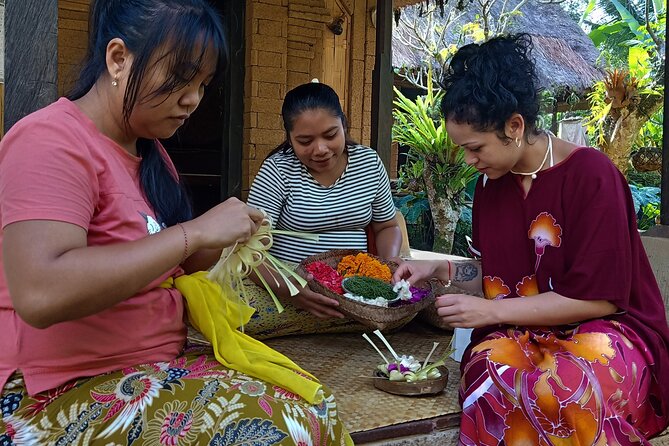
- Canang sari workshop with locals: You learn the flower layout and the offering purpose, not just the final product.
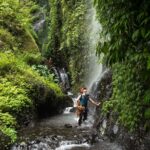
- Melukat at Mengening Temple: A traditional spiritual cleansing connected to the sacred spring.
- Energy balancing with a local priest/shaman: A focused session aimed at chakra and aura balance.
- Tampak Siring local house visit: See daily-side Balinese practice and offering function up close.
- Private pickup and drop in an AC car: Fewer hassles, especially if you’re pairing this with other Ubud plans.
- Sarong/kamen provided: You’ll have what you need to enter the temple areas.
A stress reset in Ubud: what the retreat actually does
If you’ve been carrying the mental buzz of Bali traffic, noisy streets, and too many plans, this kind of day is a nice counterweight. The goal here is spiritual cleansing and balancing—through ceremonies, an offering you make yourself, and a final session that focuses on your energy (chakras and aura).
What makes this work for real people (and not just spiritual brochure land) is that the experience is structured. You’re not wandering around hoping someone explains what’s going on. You start at a water temple setting for Melukat, then move into Balinese offering practice, then finish with guidance from a local healer.
The vibe is calm and focused. You’re supposed to leave with less stress and more internal balance. And yes, that’s a big promise—but the format supports it: fewer distractions, dedicated time at each stop, and guidance all the way through.
You can also read our reviews of more tours and experiences in Ubud.



Mengening Temple and Melukat cleansing at the sacred spring
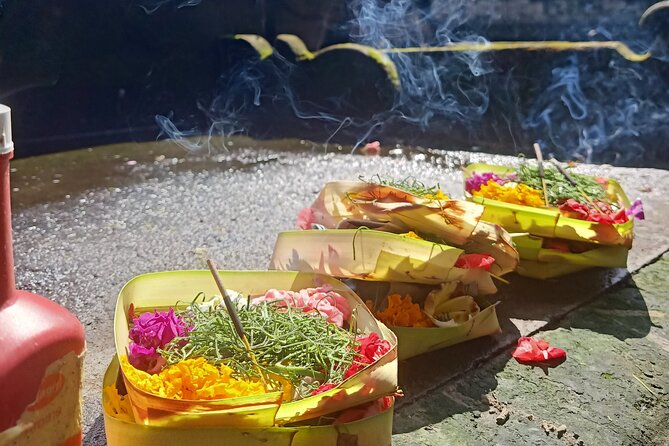
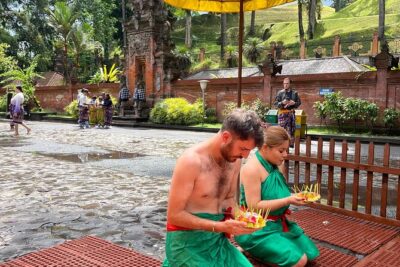
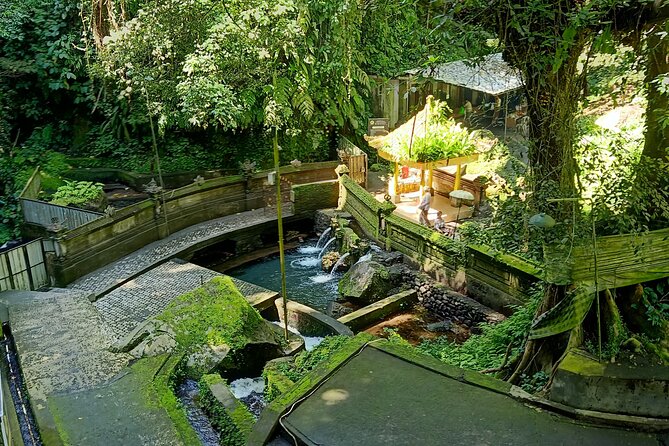
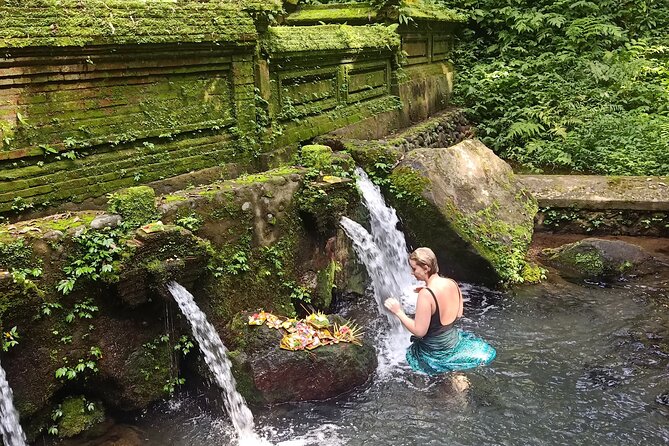
Mengening Temple is the starting point, and it’s a water temple used for Melukat. Locals believe this cleansing helps neutralize negative energy and replace it with positive balance. In practical terms, you’ll be stepping into a ceremony environment where water plays a central role, and you follow the guidance provided for your participation.
This stop typically lasts about 2 hours, and it includes the admission ticket. You also get sarong/kamen supplied for temple entry, which matters because you don’t want to spend time figuring out what counts as appropriate at the last minute.
A couple things to keep in mind:
- You should expect the ceremony to be more about ritual participation than sightseeing. If you’re hoping for Instagram-ready moments, lower your expectations and raise your attention.
- You’ll want to be comfortable moving slowly and following instructions. The calming effect comes from doing things at the pace of the ceremony, not rushing it.
The temple setting tends to feel quieter than the most tour-heavy hotspots, and that helps. When the environment is less chaotic, it’s easier to switch your brain from planning mode to listening mode.
Tampak Siring house visit and the canang sari offering lesson
After the temple cleansing, the day shifts into something more hands-on: a visit to a local house area in Tampak Siring to learn how Balinese daily practice works through offerings.
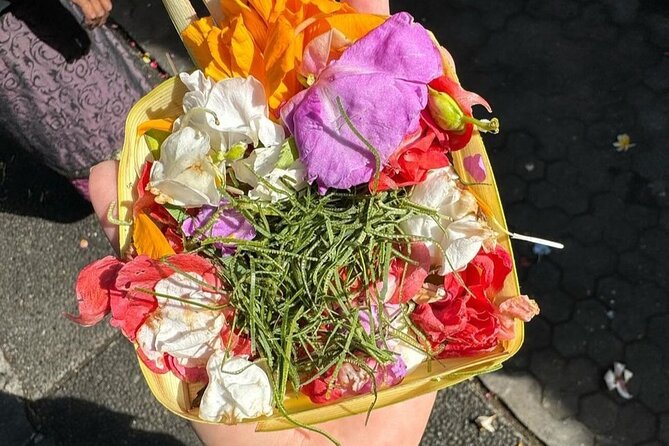
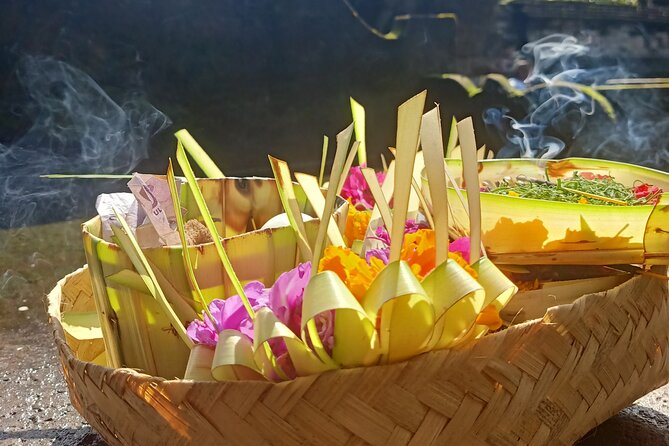
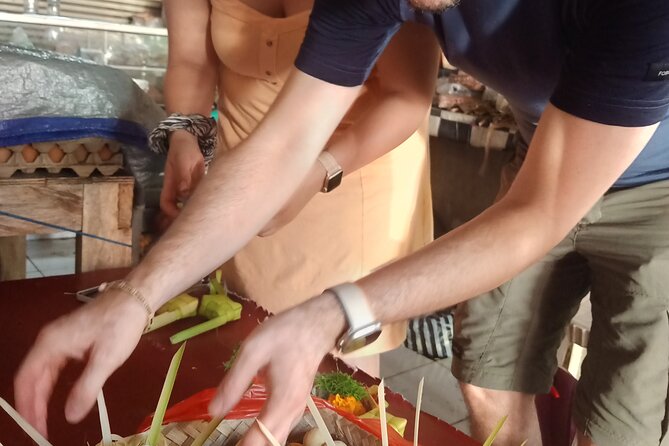
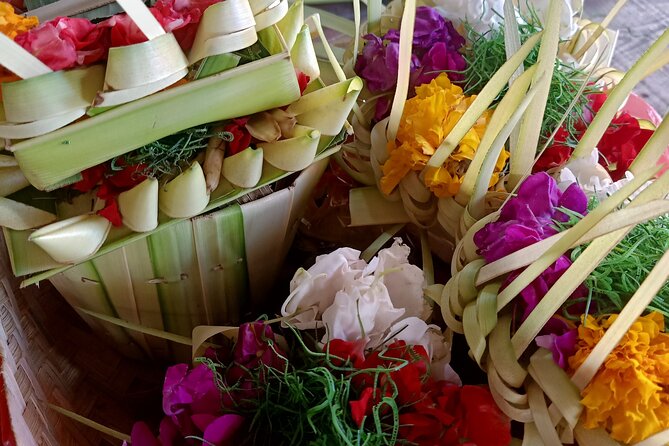
This part also runs about 2 hours. You’ll make a canang sari offering with guidance from locals. That matters, because you’re not just hearing a spiritual explanation—you’re building the offering itself and learning what its components represent and how it’s used.
You’ll learn:
- the basic approach to combining flowers for the offering
- the function of canang sari as a ceremony implementation symbol connected to nature
- what the local household context looks like day-to-day
The value here is cultural. Ubud can sometimes feel like a performance of Bali for visitors. This is more grounded—because you’re learning the everyday method people use to show respect and intention.
Potential drawback: this stop is not a formal museum-style experience. It’s practical and sensory (smells of flowers, handling materials, noticing how locals work). If you prefer polished, scripted tours, this may feel simpler than expected. But if you’re there to understand Balinese life beyond temples, this is exactly the point.
Batuan Village chakra balancing with a local priest/shaman
Next is Batuan Village, where you’ll be treated by a local priest or shaman. The focus here is energy balancing—described as aligning chakra and influencing the aura, including emotional components, with the aim of bringing strength energy into balance.
This section is about 2 hours, with entry included. You’re not “graded” on anything, but you do need to be ready to participate in a guided healing style that may feel very different from mainstream wellness routines.
Here’s how I think about the value of this stop: it gives a clear endpoint to the day. You’ve already done physical and symbolic cleansing through Melukat and offerings. The energy balancing session turns that into a more personal, reflective moment—where you’re encouraged to focus on what you feel and where you want balance.
Also, this is where the tone of the day really matters. A well-run healer session helps you feel safe and oriented. That’s one reason a good driver and guide approach matters in the background. When Gusty explained what the rituals meant as you moved, it made the healing session feel less like a black box.
Mantra meditation guidance and the Tridatu bracelet symbolism
Throughout the retreat, there’s a spiritual learning thread. You’ll be introduced to mantra as a holy song used to meditate yourself at the temple. The day isn’t only about watching ceremonies—it’s about using simple methods of focus.
You’ll also hear about the Bali Tridatu bracelet, described as a symbol of three concepts tied to fire, air, and water elements. Even if you don’t treat it as literal symbolism, it gives you a structured way to understand how Balinese spirituality connects nature elements to spiritual intention.
What you should expect from this type of instruction:
- short learning moments tied to what you’ll be doing next
- guidance that helps you participate even if you don’t understand the language
- a reminder that the goal is inner balance, not performance
One note: if you’re skeptical or anxious about spiritual practices, that’s normal. Keep your expectations practical. Think of it as a guided attention practice in a local spiritual framework. You don’t have to “believe” the way locals do to benefit from calm focus and structure.



Price and logistics: why $79 can be good value (and what to watch)
At $79 per person, this retreat is priced for what you’re getting: transportation, multiple guided stops, ceremony materials, and healer-related fees.
From the included list, you get:
- private pickup and drop hotels
- AC car and bottled water
- offering/canang included
- sarong/kamen for temple entry
- entry fees for the stops
- shaman fee
That’s not just a driver fee. It’s a bundled day that usually costs more if you piece it together on your own, especially in Ubud where you’ll spend time coordinating temple rules, guides, and correct access.
Still, here’s the part to treat seriously. One review detail flagged extra fees as a pain point. The provider response clarified it as tied to ticket options, specifically situations where a booking is made with ticket exclusions. So do this before you pay:
- confirm which entry tickets are included in your selected option
- ask if any ceremony-related admissions or fees could be added at pickup
Also remember the day does not include lunch. You’ll want to plan your meal timing around the 4 to 6 hour duration.
One more small practical point: you’re on a private tour with only your group. That’s great for focus and comfort, but it also means you won’t be able to blend into a crowd. If you’re sensitive to crowds and noise, you’ll love the quieter rhythm.
How to prepare so the day feels smooth
This is a ceremony-focused experience, so your preparation can make it feel relaxing instead of awkward.
What I recommend:
- wear clothing that’s easy to adjust and suitable for temple entry areas
- bring a light cover-up you’re comfortable with even if sarong/kamen are provided
- expect the day to be spiritual, not just educational. You’ll likely be guided to participate, not observe from afar
Because it’s about water temple cleansing, you might also want to be ready for the reality that ceremonies can involve getting wet. You may not be swimming—just plan for dampness and treat it as part of the ritual environment.
If you’re prone to stress, this is also a good day to go in with fewer plans afterward. Keep your evening light. Your body and mind may need time to settle.
Who this retreat is best for (and who should skip it)
This Bali spiritual retreat in Ubud fits best if you:
- want a structured way to experience Balinese spiritual ceremonies
- like cultural learning you can participate in (especially canang sari making)
- are looking for stress reduction through calm, guided ritual rather than a packed itinerary
- want private pickup and an AC car so you don’t burn energy on logistics
It might not be the best match if you:
- only want high-impact sightseeing and don’t want ceremony participation
- need a very literal, secular wellness experience without spiritual instruction
For most people, though, the “Most travelers can participate” line is a good signal. This is set up as an accessible spiritual day—focused, guided, and not designed to exclude newcomers.
Should you book this Bali Spiritual Soul Retreat in Ubud?
I think you should book if you want a real change of pace in Ubud—one that prioritizes ceremony, cultural practice, and guided calm. The combination of Melukat cleansing, hands-on canang sari offering making, and an energy balancing session gives the day a complete arc. Add private pickup/drop and included temple materials, and the logistics feel under control.
Before you book, do one smart check: confirm ticket inclusions for your chosen option so you’re not surprised by extras. If everything is covered in what you pay, this is a strong value for a 4 to 6 hour spiritual reset.
FAQ
FAQ
Where does the Bali Spiritual Soul Retreat take place?
The retreat is based in Ubud, Indonesia, and visits three main stops: Mengening Temple, Tampak Siring, and Batuan Village.
How long is the experience?
The total duration is about 4 to 6 hours. Each main stop is roughly 2 hours.
Is hotel pickup and drop-off included?
Yes. Private pickup and drop-off from your hotel are included, and you travel by AC car.
What’s included for the ceremonies and visits?
Included items cover offering/canang, sarong/kamen for temple entry, bottle water, admission/entry fees, and the shaman fee.
Is lunch included?
No. Lunch and personal expenses are not included.
Can I get a full refund if I cancel?
Yes. You can cancel up to 24 hours in advance for a full refund. If you cancel less than 24 hours before the start time, the payment is not refunded.