REVIEW · 2-DAY EXPERIENCES
Bali 2-Day Private Tour – Top Attractions at the Best Price
Book on Viator →Operated by East Bali Tour · Bookable on Viator
Two days in Bali can feel like a sprint. This private Ubud-based tour is built for momentum, stacking temple, palace, beach, and waterfall stops into a single smooth route with hotel pickup. I especially like the comfortable, air-conditioned car and the fact that your guide handles the driving and the order of sights. One thing to think about: it’s a lot of stops for two days, so you’ll want good energy, sensible shoes, and a flexible attitude about entrance fees.
The standout here is variety. You start with East Bali’s big-name temple views, then shift to water gardens and traditional villages, and finish with beach viewpoints and jungle-temple sights. On day two you move through the famous monkey area, Ubud’s art market, the rice terraces, and then end with purification at Tirta Empul and the waterfall at Tegenungan.
If you like guided stops that mix viewpoints with cultural context, this tour fits. If you prefer slow, one-location days (or you hate traffic and lines), you might feel rushed by the packed schedule.
In This Review
- Key things I’d zero in on before booking
- Why this 2-day private route makes sense from Ubud
- The real value of pickup, an A/C car, and a guide who drives
- Day 1: Lempuyang’s Gate of Heaven views, then water palace and traditional village
- Lempuyang Temple (Gate of Heaven)
- Tirta Gangga Water Palace
- Tenganan Ancient Village (Bali aga culture)
- Virgin Beach (Perasi Beach) and the beach road down
- Asah Hill: cliff views and sunset angles
- Day 2: Sacred Monkey Forest, Ubud art market, and rice terraces
- Sacred Monkey Forest Sanctuary
- Ubud Traditional Art Market (Pasar Seni Ubud)
- Tegalalang Rice Terrace
- Tirta Empul purification, then Goa Gajah and Tegenungan Waterfall
- Tirta Empul Temple (holy spring and ritual cleansing)
- Elephant Cave (Goa Gajah)
- Tegenungan Waterfall
- Entrance fees and your real cost: what’s included vs not
- Guide quality and timing: what the best ones do well
- Who this Bali 2-day tour fits best (and who should choose a slower plan)
- Weather matters more than you think for a two-day hit list
- Should you book this 2-day private attraction run?
- FAQ
- Is pickup and return transportation included?
- How long is the Bali 2-day tour?
- Is this tour private or shared?
- What attractions are included across the two days?
- Are admission tickets included in the price?
- What is the price per person?
- How much time is spent at each stop?
- What happens if weather is poor?
Key things I’d zero in on before booking
- Hotel pickup and return transfers so you start and finish without wrangling rides
- Private transportation in an air-conditioned car, with bottled water
- Two-day hit list across East and Central Bali: temples, water palaces, beaches, and waterfalls
- Time-efficient routing with about 30 minutes to 1 hour at most major stops
- Guide-led context that adds meaning to what you’re seeing, not just photos
- Entrance fees depend on your ticket tier, so budget for IDR payments at several sites
Why this 2-day private route makes sense from Ubud
Ubud is a great base, but Bali driving can eat your day. This tour is designed to protect your time by using one car and one plan across two days, instead of you stitching together separate tickets and transfers. That matters on an island where distances can surprise you once you factor in roads and traffic.
Also, this isn’t only temples. You get a temple viewpoint (Lempuyang), a water palace (Tirta Gangga), a traditional Bali aga village (Tenganan), beach time (Virgin Beach and sea cliffs at Asah Hill), and then on day two a mix of Ubud staples (market and Tegalalang), plus purification at Tirta Empul and nature stops like Goa Gajah and Tegenungan Waterfall.
The “private” part is practical, not fancy. With only your group in the car, you can move at a pace that works for you—within the tour’s planned schedule.
You can also read our reviews of more private tours in Ubud


The real value of pickup, an A/C car, and a guide who drives
What you’re paying for isn’t only the list of places. It’s the logistics glue: round-trip hotel pickup and return, plus private air-conditioned transportation. That means less time coordinating drivers, fewer arguments over meeting points, and more time standing where the view is actually good.
Your guide also acts like a traffic-aware planner. The tour is built around multiple stops with set durations (often around 30 minutes to 1 hour), so having someone who understands the order helps you avoid wasting time backtracking. And because the guide is there, you’re not just looking at signs—you can ask what you’re seeing and why it matters.
This is also one of the easiest ways to handle Bali’s “some places are holy, some are scenic, some are both” mix. You’ll spend enough time at each stop to see the main experience without feeling like you only got the thumbnail version.
Day 1: Lempuyang’s Gate of Heaven views, then water palace and traditional village
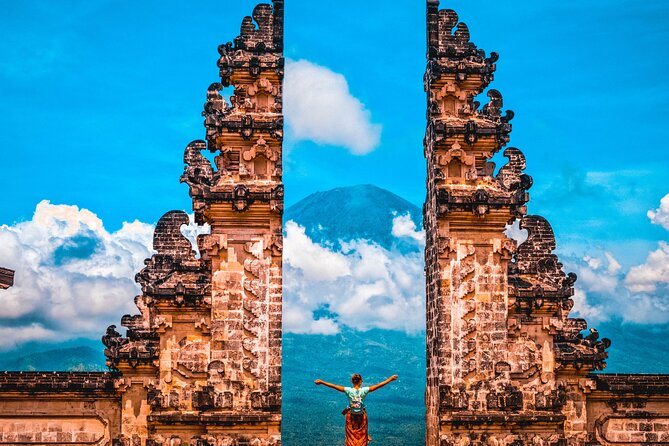
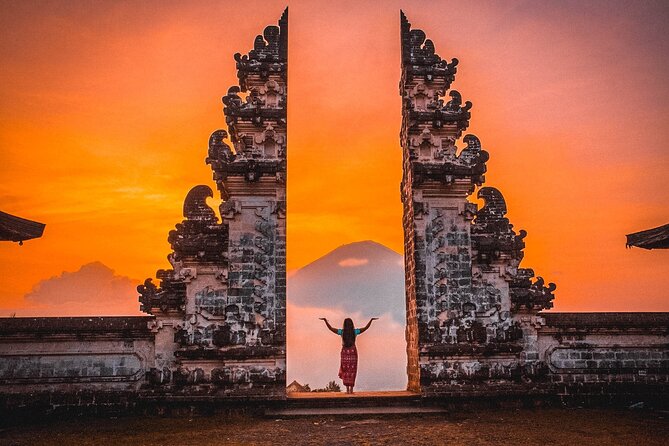
Day one is all about East Bali variety, starting with the famous temple that people go out of their way to photograph. Plan on about one hour at Lempuyang Temple, and treat it like a viewpoint plus cultural site rather than just a photo stop.
Lempuyang Temple (Gate of Heaven)
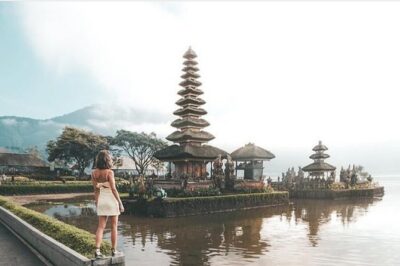
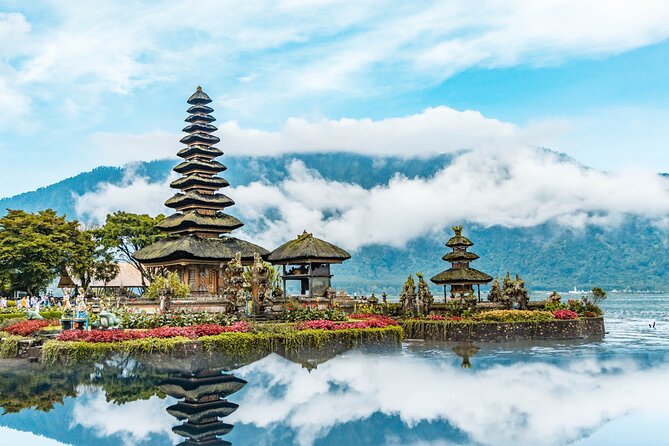
Lempuyang Temple sits in Bali’s eastern position among the Sad Kahyangan Temples. It’s often called the gate of heaven, and the grounds are known for natural purity, including forest areas that frame the valleys and the East Bali coast. That forested setting is a big part of why this feels different from a plain hilltop temple.
A key practical note: temple visits can involve stairs and slower walking. If you’re prone to leg fatigue, bring shoes you can trust.
Tirta Gangga Water Palace
Next you head to Tirta Gangga Water Palace, with about an hour here. This place is famous for beautiful scenery and a cooler climate feel compared with some other coastal areas. What you’ll notice is the decorative layout—small statues set on stone, drawn from Hindu stories like the Maha Bharata and Ramayana.
If you like details, this stop rewards you. If you’re not into ornament and want only sweeping views, you might move through faster, but it’s still worth slowing down for a few minutes.
You can also read our reviews of more tours and experiences in Ubud

Tenganan Ancient Village (Bali aga culture)
After the water palace comes something more grounded: Tenganan Ancient Village, a traditional Bali aga village in the Manggis District. Expect about an hour to wander and get a feel for how this community differs from the more typical Balinese tourist circuit.
This is a good stop for cultural texture. Just keep it respectful—this is still a living village, not a theme park.
Virgin Beach (Perasi Beach) and the beach road down
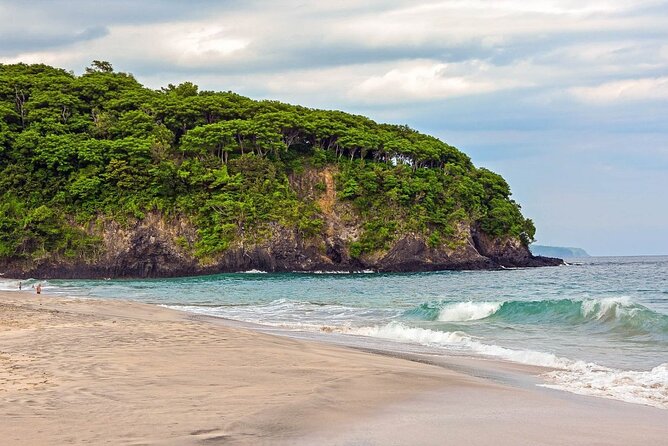
Then the tour drops you toward Virgin Beach (Perasi Beach) for about an hour. This is described as a hidden white sand beach in Karangasem, with clear water and soft sand. You also get a payoff from the drive: you enjoy a viewpoint from uphill, then head down to the shoreline.
If you’re doing photos, plan for bright light on the sand and quick dips into shade. If it’s windy, it can change how comfortable it feels at the beach.
Asah Hill: cliff views and sunset angles
Day one ends at Asah Hill (about an hour). This spot is a hill that juts into the sea, with high cliffs on one side and white sand beach on the other. It’s specifically noted for sunset viewing, so timing matters more here than at some earlier stops.
If you’re sensitive to heights or uneven footing near cliffs, keep your pace calm. The view is the point, but your safety matters more than any single shot.
Day 2: Sacred Monkey Forest, Ubud art market, and rice terraces
Day two swings you back toward Ubud’s cultural loop, plus central Bali’s holy-water temple and cave. It’s a mix that makes sense: monkeys and markets early, rice terraces mid-day, then purification and waterfall at the end.
Sacred Monkey Forest Sanctuary
Start with Sacred Monkey Forest Sanctuary for about an hour. The experience here includes carved artwork, sculptures, and temple spaces, with monkeys moving freely around you. This is also a cultural window—watching how the site functions alongside wildlife helps you understand why locals treat it as sacred.
Practical tip: keep your belongings secure. Even when you know monkeys are part of the deal, you still want to manage your hands, bags, and snacks.
Ubud Traditional Art Market (Pasar Seni Ubud)
Then it’s Ubud Traditional Art Market, about 30 minutes. It’s located opposite Puri Saren Royal Ubud Palace and is open daily. This is where you’ll typically browse for silk scarves and lightweight shirts.
This stop is short on purpose. It keeps you from turning the day into shopping-only time, and it gives you a quick, easy souvenir lane without committing hours.
Tegalalang Rice Terrace
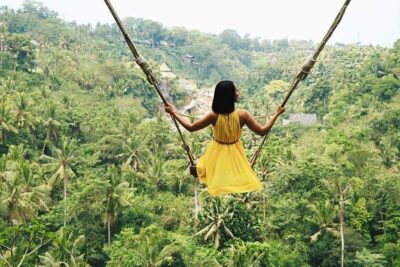
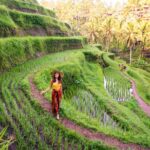
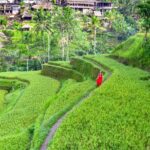
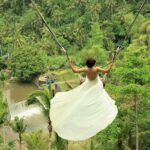
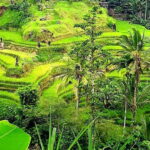
Next, you hit the famous Tegalalang Rice Terrace for about 30 minutes. Yes, it’s touristy, and yes, it’s the spot you’ve likely seen in photos. But the key point is that the rice fields still look stunning.
If you’re the type who loves viewpoints and patterns, this is a strong mid-day photo stop. If you’re not into crowds, go with the mindset that this is about your angle, not about peace and quiet.
Tirta Empul purification, then Goa Gajah and Tegenungan Waterfall
After rice terraces, day two becomes more spiritual and then more wild-nature again.
Tirta Empul Temple (holy spring and ritual cleansing)
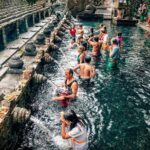
Head to Tirta Empul Temple for about an hour. It’s known as Pura Tirta Empul and is associated with a holy spring (amritha) that releases fresh water regularly. The idea is purification—Balinese Hindus go there for ritual cleansing to cleanse souls and ward off evil.
Even if you don’t participate in rituals, the setting gives context. Water, worship, and everyday faith merge in a way that’s hard to recreate just by sightseeing photos.
Elephant Cave (Goa Gajah)
Then you visit Goa Gajah, also called Elephant Cave, for about 30 minutes. It’s a mysterious cave area with relics and ancient bathing pools in green rice paddies and garden surroundings. The name comes from its proximity to the Elephant River.
This is a good breather stop. It breaks the rhythm of outdoor temples and open-air viewpoints with something more enclosed and atmospheric.
Tegenungan Waterfall
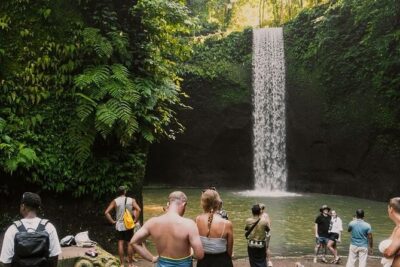
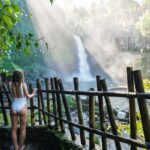
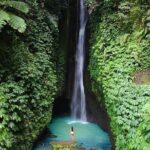
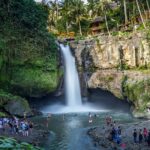
Finally, you end with Tegenungan Waterfall (about an hour). The water cascades about 20 meters, and the description includes climbable cliffs, a quiet pool, and even mention of a smaller waterfall. There are also simple food stalls and a grotto that houses a sacred spring.
This is the most nature-forward punctuation mark of the trip. Wear shoes that handle slippery surfaces. And if the weather turns, waterfalls can be louder and the rocks more slick, so keep your footing careful.
Entrance fees and your real cost: what’s included vs not
The headline price is $65 per person, and the value depends on what you choose for tickets. The tour states admission is included only for Price A. The not-included list also spells out entrance fees for many major stops, each listed with an IDR amount.
From the stop notes, here are the entrance fees you should expect to budget for (even though the tour says tickets depend on the price tier):
- Lempuyang Temple: IDR 100,000
- Tirta Gangga: IDR 40,000
- Tenganan Ancient Village: IDR 10,000
- Virgin Beach: IDR 30,000
- Asah Hill: IDR 20,000
- Sacred Monkey Forest Sanctuary: IDR 60,000
- Tegalalang Rice Terrace: IDR 20,000
- Tirta Empul Temple: IDR 60,000
- Elephant Cave: IDR 40,000
- Tegenungan Waterfall: IDR 20,000
That adds up to about IDR 380,000 across the listed fee stops (not counting the Ubud art market, which doesn’t list an admission price here). If your booking covers Price A admissions, your out-of-pocket might be lower. If not, plan cash for entrance fees so you’re not negotiating at ticket counters.
I like that the tour is honest about this. It’s better to know you might be paying multiple entrances than to discover it late when you’re already tired.
Guide quality and timing: what the best ones do well
A tour like this lives or dies on the guide and driver. In the feedback, one named Widi is praised for on-time pickups and for explaining where he was taking people, how long it would take, and the history behind stops and current celebrations in Bali. That kind of commentary makes a big difference when you’re moving fast.
Another guide named Gusti gets strong notes for professionalism, patience, and reliability, plus suggesting good places for you depending on what you want to see. And Ketut is described as friendly, helpful for Instagram photos, and insightful about traditional customs at each location.
At the same time, there’s also a negative note tied to a different situation with a wrong hotel pickup and rushed driving for another trip context. I take that as a reminder: you’ll feel the tour most when timing is handled well.
So here’s what I’d do before you roll: confirm your exact pickup location the day before, ask what time you’ll be picked up, and request that your guide stick to the agreed route. This tour is already packed—good timing keeps it enjoyable instead of stressful.
Who this Bali 2-day tour fits best (and who should choose a slower plan)
This tour is ideal if you want a high-contrast Bali sampler without organizing everything yourself. It suits couples, small groups, and anyone staying near Ubud who wants temples, water spots, and waterfalls in a neat two-day loop.
It’s also a good fit if you like learning on the move. The itinerary is heavy on meaningful religious sites (like Tirta Empul and Lempuyang), and the guide context can help you read what you’re seeing instead of treating each place as a backdrop.
You might consider a different style if you’re very sensitive to crowds or dislike fast transitions between sites. With several stops planned for 30 to 60 minutes, this isn’t the kind of day where you drift. You’ll follow the route and you’ll likely want to rest your feet after.
Weather matters more than you think for a two-day hit list
The tour notes it requires good weather, and if it’s canceled due to poor conditions, you’ll be offered a different date or a full refund. That’s important because at least some stops involve outdoor walking and viewpoints.
If you’re booking for a tight window, keep your schedule open the day before and after, if possible. In practice, having even a small buffer makes the difference between a smooth trip plan and one that feels like it’s always one traffic jam away from chaos.
Should you book this 2-day private attraction run?
Yes, I think you should book it if you want to maximize time from Ubud and you’re comfortable with a packed schedule across temples, rice fields, and waterfalls. The best reason to choose it is the setup: pickup plus a private A/C car plus a guide to keep the day moving.
I’d only skip or reconsider if you want slow travel, quiet spaces, or you strongly prefer to pay no entrance fees. Because entrance fees depend on your ticket tier, you should read what’s included for your specific pricing choice and budget for the site-by-site payments listed.
If you’re the kind of traveler who likes a checklist done well, but with a human guide explaining what you’re seeing, this one hits the sweet spot.
FAQ
Is pickup and return transportation included?
Yes. The tour includes hotel pickup and return transfers, plus private transportation in an air-conditioned vehicle and bottled water.
How long is the Bali 2-day tour?
It runs for about 2 days (duration is listed as approximately 2 days).
Is this tour private or shared?
This is a private tour/activity, so only your group participates.
What attractions are included across the two days?
The route includes Lempuyang Temple, Tirta Gangga, Tenganan Ancient Village, Virgin Beach, Asah Hill, Sacred Monkey Forest Sanctuary, Ubud Traditional Art Market, Tegalalang Rice Terrace, Tirta Empul Temple, Elephant Cave (Goa Gajah), and Tegenungan Waterfall.
Are admission tickets included in the price?
Admission tickets are included only for Price A. The tour also lists several entrance fees as not included, with specific IDR amounts per site.
What is the price per person?
The price is $65.00 per person, and it’s commonly booked about 20 days in advance on average.
How much time is spent at each stop?
Stop times are listed per attraction, commonly around 30 minutes to 1 hour (for example, 1 hour for Lempuyang Temple and about 30 minutes for Tegalalang Rice Terrace).
What happens if weather is poor?
This experience requires good weather. If it’s canceled due to poor weather, you’ll be offered a different date or a full refund.